
Table of Contents
Why Cuenca Is a Popular Place for Dental Care
Cuenca, Ecuador, has earned a strong reputation among expats and dental tourists for high-quality dental care, experienced clinicians, and prices that are often much lower than in North America or Europe. The city’s compact historic center, modern medical facilities, and a growing number of bilingual dentists make it an attractive place to get routine and complex dental work done while enjoying a comfortable stay in a colonial city.
Overview: Most Common Dental Procedures You’ll Find in Cuenca
Whether you live in Cuenca full time or are visiting for dental work, these are the treatments you’ll see advertised most often at clinics across the city. Below each procedure you’ll find what it involves, realistic timeframes, recovery notes, and approximate price ranges (USD). Prices vary widely by clinic, the materials used, and the dentist’s experience.
1. Dental Cleanings and Exams (Prophylaxis)
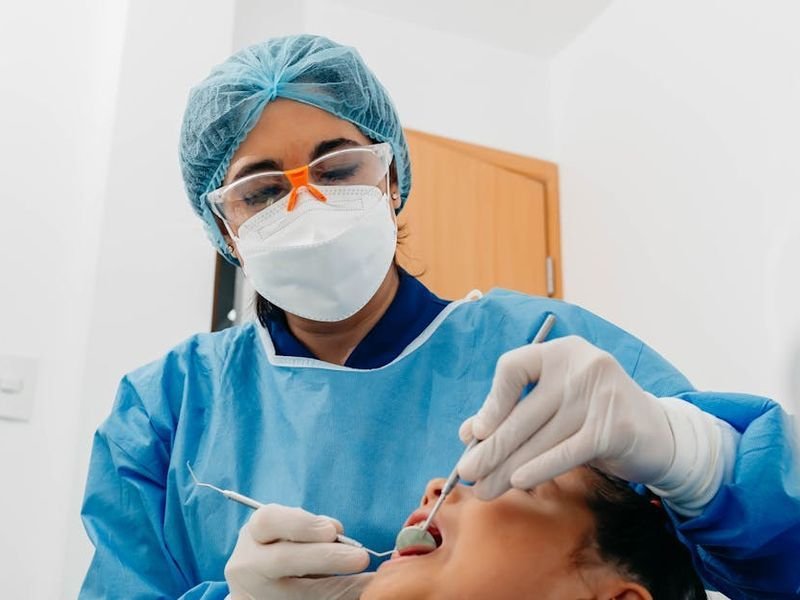
Routine cleanings are the foundation of oral health. A typical visit includes a professional cleaning, removal of tartar and plaque, polishing, and a brief oral exam. Many clinics offer digital X-rays during the same visit if needed.
- Time: 30–60 minutes
- Recovery: None; you might have temporary sensitivity
- Typical cost (approx.): $25–$60
2. Fillings (Composite/Amalgam)
Fillings repair cavities and restore tooth function. Composite (tooth-colored) fillings are more popular and pricier than amalgam. Expect anesthetic to numb the area and the dentist to sculpt the filling to fit your bite.
- Time: 30–90 minutes per tooth
- Recovery: Mild sensitivity for a few days
- Typical cost (approx.): $40–$120 per filling
3. Root Canal Therapy
Root canals remove infected tissue from inside a tooth to save it from extraction. Modern techniques and local anesthesia make the procedure much more comfortable than in the past. A crown is often recommended after a root canal to protect the tooth.
- Time: 1–2 visits, 60–120 minutes each
- Recovery: Several days of soreness; pain medication may be prescribed
- Typical cost (approx.): $200–$600 depending on the tooth and complexity
4. Crowns and Bridges
Crowns cover damaged teeth, while bridges replace missing teeth by anchoring a false tooth to adjacent crowns. Clinics in Cuenca commonly offer porcelain-fused-to-metal, full ceramic (zirconia), and porcelain crowns.
- Time: 2–3 visits across 1–3 weeks (temporary crown often provided)
- Recovery: Mild sensitivity; avoid very hard foods for a few days
- Typical cost (approx.): $250–$700 per crown
5. Dental Implants
Implants replace missing teeth with a titanium fixture placed into the jaw and a crown attached later. Implants require good bone volume or bone grafting and multiple visits over several months, but they offer long-term stability and a natural appearance.
- Time: Several months from implant placement to final crown (often 3–6 months)
- Recovery: Swelling and discomfort for a few days after surgery; follow post-op instructions closely
- Typical cost (approx.): $800–$2,000 per implant (implant, abutment, and crown)
6. Tooth Extractions
Extractions range from simple removal of visible teeth to surgical removal of impacted wisdom teeth. Sedation options are commonly available for anxious patients.
- Time: 20–90 minutes depending on complexity
- Recovery: A few days; follow instructions to avoid dry socket
- Typical cost (approx.): $40–$350 depending on simplicity or surgical complexity
7. Periodontal (Gum) Treatments
Gum treatments include scaling and root planing (deep cleaning), antibiotic therapy, and periodontal maintenance. Advanced cases may require referral to a periodontist for surgical therapy.
- Time: Multiple visits may be needed
- Recovery: Sensitive gums for several days to a few weeks depending on treatment
- Typical cost (approx.): $50–$300 per quadrant for deep cleaning
8. Orthodontics and Invisalign
Traditional braces and clear aligner systems like Invisalign are available in Cuenca. Treatment length varies by case complexity. Many clinics work with labs or specialists to offer modern orthodontic solutions.
- Time: 6 months to 2+ years
- Recovery: Initial discomfort when appliances are adjusted
- Typical cost (approx.): $1,200–$4,000 depending on treatment type
9. Cosmetic Procedures (Veneers, Whitening)
Cosmetic dentistry is widespread in Cuenca. Veneers, teeth whitening, and full smile makeovers are common requests from locals and expats alike. Ask to see before-and-after photos and understand the maintenance involved.
- Time: 1–4 visits depending on procedure
- Recovery: Mild sensitivity after whitening or prepping for veneers
- Typical cost (approx.): Whitening $100–$300; Veneers $250–$600 per tooth
How to Choose a Dental Clinic in Cuenca
Choosing the right clinic will affect outcomes and your comfort level. Here are practical tips to help narrow your choices.
- Verify credentials: Look for dentists who list university qualifications and membership in professional associations. Many clinics display certificates on their websites and physical offices.
- Read reviews: Google and Facebook reviews from local and international patients can be very informative. Pay attention to comments about communication, sterilization, and long-term follow-up.
- Ask about technology: Digital X-rays, intraoral scanners, and cone beam CT (CBCT) imaging raise diagnostic accuracy and treatment predictability.
- Request before-and-after photos: Experienced dentists should share examples similar to the treatment you want.
- Check sterilization and infection-control protocols: A modern clinic should explain autoclave use and single-use items.
- Language and communication: Many clinics near the historic center and expat neighborhoods employ bilingual staff. If you’re not fluent in Spanish, ask about English communication or book a translator.
Financial Considerations and Insurance
Dental costs in Cuenca are often lower than in the U.S., Canada, and Europe, but quality and prices vary. Payment options typically include cash, major credit cards, and sometimes bank transfers. A few clinics offer financing or staged payment plans for larger treatments.
If you have dental insurance from your home country, check whether they provide reimbursement for treatments abroad. Keep detailed invoices and treatment plans, and request itemized receipts and codes to make claims easier. Many expats save substantial money even after travel and accommodation.
Planning Your Trip: Travel and Logistics in Cuenca
Cuenca’s compact size makes it convenient for dental travelers. The city center (around Parque Calderón) has many clinics within walking distance of hotels, guesthouses, and restaurants. Here are practical tips for planning your stay:
- Choose accommodation close to your clinic: This reduces stress and travel after procedures. Many dentists recommend guesthouses or hotels with flexible check-in.
- Schedule appointments early in the week: If follow-ups or adjustments are needed, weekdays make it easier to return without disrupting weekend plans.
- Allow time for healing: For implants or complex surgeries, expect multiple visits over weeks or months. Plan return trips or coordinate care with a local dentist.
- Transportation: Taxis and ride-hailing apps operate in Cuenca; tell drivers to take you to the clinic’s exact address. Many expats also bike or walk in the historic center.
- Altitude considerations: Cuenca sits around 2,500 meters (8,200 ft) above sea level. Most dental procedures aren’t affected by altitude, but if you have respiratory or cardiovascular conditions, discuss them with your dentist and physician before traveling.
Before Your Appointment: What to Bring and Questions to Ask
Being prepared speeds up the process and improves outcomes. Bring the following:
- Previous dental records and X-rays, if available
- A list of medications and medical conditions
- Identification and method of payment
- Photos showing smile concerns (for cosmetic consults)
Questions to ask your dentist:
- What are my treatment options, and why do you recommend this one?
- What materials will you use, and do you offer warranties?
- How many visits will be required, and what is the total estimated cost?
- What are the risks, expected recovery, and aftercare instructions?
Recovery and Aftercare: Tips for a Smooth Healing Process
Follow your dentist’s post-op instructions closely. Common aftercare tips include:
- Avoid smoking and drinking alcohol during the initial healing period
- Stick to soft foods after extractions or oral surgery (soups, yogurt, mashed potatoes)
- Use prescribed antibiotics or pain medications as directed
- Keep the surgical area clean but avoid vigorous rinsing for 24 hours
- Maintain good oral hygiene with gentle brushing and recommended mouthwash
If you experience severe pain, increasing swelling, fever, or persistent bleeding, contact your dentist immediately or visit an emergency clinic.
Language and Cultural Tips
Spanish is the primary language in Cuenca. While many dentists and clinic staff speak English, particularly in clinics catering to expats, learning a few dental-related Spanish phrases can help. Simple phrases like “Tengo dolor” (I have pain) or “Necesito una limpieza” (I need a cleaning) can be useful. Bring a translation app if you feel unsure—most clinics are patient and will accommodate language needs.
Finding Local Support: Expat Communities and Referrals
Cuenca has an active expat community that can be a valuable resource when choosing a dentist. Online forums, social media groups, and local meetups frequently discuss dental experiences and recommend clinics. Ask fellow expats about long-term follow-up experiences and whether clinics honored warranties or handled complications professionally.
Common Mistakes to Avoid
Avoid these pitfalls to make your Cuenca dental experience positive:
- Choosing solely on price: Extremely low prices can be tempting but confirm quality, credentials, and materials used.
- Skipping a second opinion for complex work: For full-mouth restorations or extensive implants, a second opinion is prudent.
- Failing to plan for multiple visits: Some treatments require several appointments over months—book accordingly.
- Not requesting an itemized treatment plan: Having everything in writing avoids misunderstandings about scope and cost.
Final Thoughts: Balancing Savings and Quality
Cuenca is an excellent option for many dental procedures because of skilled clinicians, modern clinics, and lower prices. With careful research, clear communication, and reasonable expectations, you can achieve high-quality results while enjoying the beauty and culture of this historic city. Always prioritize safety, verify credentials, and ask plenty of questions—your smile is worth it.
If you’re considering dental work in Cuenca, start by compiling your dental records, researching clinics with good reviews and modern equipment, and scheduling a consultation to compare treatment options and costs. With the right planning, Cuenca can be a comfortable and cost-effective place to receive dental care.