
Table of Contents
Introduction: Dental Tourism Meets a Charming City
If you’re dreaming of transforming your smile without paying North American prices, Cuenca, Ecuador deserves a hard look. This colonial city combines internationally trained dentists, cutting-edge clinics, and dramatic cost savings — all set against a safe, walkable UNESCO-listed historic center and a year-round mild climate perfect for recovery. In short: Cuenca is not just a place to get dental work; it’s one of the best places on earth to blend high-quality care with a restorative dental vacation.
How Cuenca Delivers 60–70% Savings on Dental Implants and More
One of the most compelling reasons people choose Cuenca is cost. Typical single-tooth implant packages in the U.S. or Canada often run from $2,500 to $5,000 (or more) when you add surgery, imaging, the abutment and a porcelain crown. In Cuenca, equivalent packages frequently land in the $700–$1,500 range — that’s routinely 60–70% less. Crowns and veneers follow the same pattern: lab-made porcelain crowns that can cost $1,000–$1,500 in North America often cost $300–$500 in Cuenca, and veneers that might be $1,000+ can be found for $250–$400 each.
Those savings are real money. They can cover airfare, a comfortable hotel or apartment for several weeks, and still leave you with a dramatically improved smile and thousands left over — which is precisely why dental tourism is booming here.
World-Class Training: Dentists with Global Credentials
Dental professionals in Cuenca are trained at reputable universities in Ecuador and many pursue advanced training abroad. It’s common to find dentists who have completed postgraduate residencies, implant master programs, or continuing education in places like the U.S., Europe, and other Latin American centers of excellence. That global training translates into standards of care, sterile protocols, and treatment planning comparable to clinics you’d find in major North American cities.
When vetting a clinic, ask for diplomas, continuing education certificates, and examples of cases. Many clinics are proud to share before-and-after photos, CBCT scans, and references from international patients.
Modern Clinics and Cutting-Edge Technology
Clinics in Cuenca have invested heavily in technology to earn international patients’ trust. Expect to find:
- Digital X-rays and CBCT 3D imaging for precise implant planning
- Intraoral scanners and CAD/CAM milling for same-week crowns and temporaries
- 3D-printed surgical guides that improve implant placement accuracy
- European and U.S.-brand implant systems (many clinics use recognized brands such as Nobel, Straumann, Zimmer and compatible systems)
- On-site labs or partner labs that dramatically shorten turnaround time for crowns, bridges, and dentures
These tools reduce uncertainty, shorten treatment timelines, and allow for minimally invasive procedures with precise outcomes — all critical for a successful dental vacation.
Short Wait Times and Flexible Scheduling
One of the biggest advantages of choosing Cuenca is speed. While patients in many countries face months-long waiting lists for specialist appointments, private clinics in Cuenca typically offer appointments within days. Initial consultations can often be done by secure video call; scans and impressions can be scheduled within a week of arrival; and implant placement appointments are usually available promptly.
For people who can only travel for a limited time, many clinics offer accelerated treatment plans: same-day temporaries after implant placement or in-house milling so crowns or veneers can be fitted in a matter of days. For multi-stage implant cases, final prosthetics are typically delivered after the healing period — many patients plan a second short trip or arrange follow-up care locally with their dentist at home.
Personalized, One-on-One Care — A Forgotten Luxury
Another hallmark of the Cuenca experience is the personalized attention you receive. Most clinics here are smaller practices that prioritize one-on-one care. That means longer consultations, individualized treatment plans, and more attentive post-operative monitoring. Many dentists accompany patients through the whole process rather than delegating major decisions to assistants — a model of care that many North Americans find refreshing.
Bilingual staff are common in larger clinics and those that specialize in international patients, and translation support is often available for those who don’t speak Spanish.
Why Cuenca’s Environment Makes Recovery Easier
Cuenca sits in the southern Andean highlands at about 2,560 meters (8,400 feet). The climate is famously mild and spring-like year-round: cool nights and comfortable days that make it a comfortable place to recuperate after procedures. Unlike tropical coastal cities where heat and humidity can complicate recovery, Cuenca’s stable climate supports rest and reduces infection risk.
The city’s leafy parks, riverwalks along the Tomebamba, and quiet neighborhoods provide peaceful places for short walks and gentle activity — beneficial after dental surgery. If you plan a stay after an implant or extensive restorative work, you’ll find easy access to pharmacies, fresh markets with wholesome foods, and cafes for light meals during your recovery.
Turn a Dental Trip into a Memorable Vacation
One of the most delightful perks of dental tourism in Cuenca is the ease of pairing care with leisure. While ovens, sports, and heavy exercise should be avoided during initial healing, there’s plenty to enjoy that’s low-impact and restorative:
- Strolls through the UNESCO-listed Historic Center and the Parque Calderón
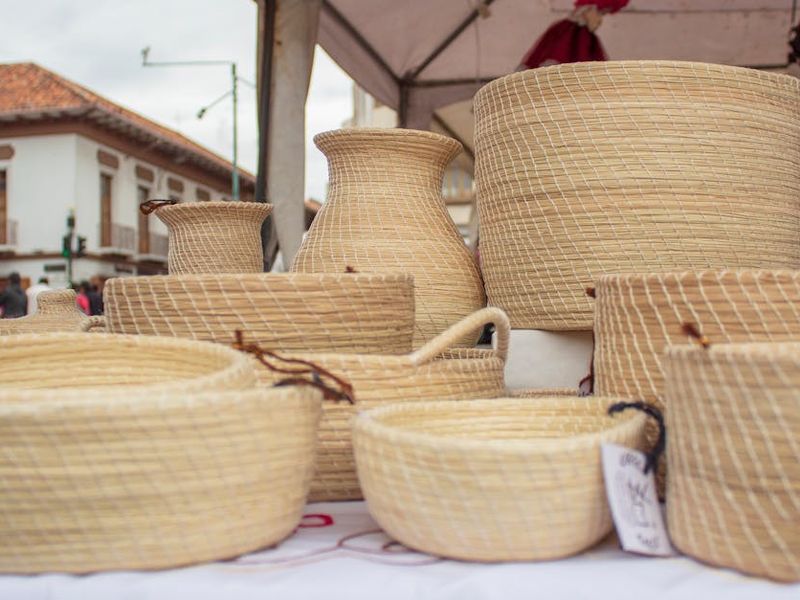
- Visits to artisan markets for jewelry, textiles, and locally made Panama-style hats
- Day trips to the Cajas National Park for gentle hikes amid highland lakes and dramatic vistas
- Culinary exploration — Cuenca’s cafés and restaurants serve high-quality, fresh ingredients ideal for a soft-food diet
- Relaxing at scenic viewpoints like Turi and El Mirador de Turi for panoramic city views
All of this adds emotional value to the procedure: rather than associating your dental work with stress, many patients remember the transformation as part of a meaningful trip.
Specific Treatment Scenarios and Practical Timelines
Understanding realistic timelines helps you plan a dental vacation that fits your needs. Typical scenarios include:
- Single implant: Consultation and CBCT on arrival, implant placement during the same visit, a temporary crown or healing cap, then final crown after 3–4 months. Many patients split this into two trips or coordinate with their local dentist for final prosthetics.
- Multiple implants and crowns: Digital planning and surgical guide fabrication can consolidate steps. If clinics have on-site milling, temporaries can be delivered the same week and finals in 2–3 months.
- All-on-4 or full-arch immediate load: Some clinics offer immediate-load protocols — implant placement and provision of a provisional fixed prosthesis within a few days. These cases require more planning and usually a stay of 7–14 days initially, followed by a final prosthesis after healing.
Many clinics provide a detailed timeline and coordination with labs to minimize time away from home while ensuring quality results.
Practical Tips for Choosing a Clinic in Cuenca
To get the best results and protect your investment, follow these practical steps:
- Ask for a written treatment plan with a breakdown of costs, timelines, and materials used (implant brand, crown material, warranty).
- Request CBCT scans and digital impressions; these are standard and improve predictability.
- Verify training and credentials and ask to see before/after photos and patient testimonials from international clients.
- Confirm infection control protocols and sedation options if needed.
- Check whether the clinic has an in-house lab or trusted local lab to minimize turnaround time.
- Arrange travel insurance that covers complications and clarify post-op follow-up plans — many clinics will coordinate with your local dentist for long-term maintenance.
It’s also wise to bring all existing dental records and x-rays to your initial consultation and to ask for a written estimate in English if you’re more comfortable with that language.
Safety, Standards, and Patient Experiences
Quality and safety are top priorities for reputable clinics in Cuenca. Many adhere to international sterilization standards, use modern surgical protocols, and follow evidence-based antibiotic and analgesic regimens. Clinics that welcome international patients often provide pre- and post-operative instructions in English and have arrangements with nearby pharmacies and laboratories.
Patient testimonials and online reviews can be very informative. Look for long-form reviews where patients describe their timeline, the clinic’s communication, the level of pain control, and how the clinic handled follow-up care. The consistent theme among satisfied international patients is not just cost savings, but the high quality of clinical care and the warm, individualized attention they received.
Logistics: Getting There and Where to Stay
Cuenca is accessible via flights from Quito and Guayaquil, and there are direct international connections to nearby airports depending on season and airline. Many patients fly into Quito or Guayaquil and take a short domestic flight or a scenic road transfer to Cuenca. The city has a range of accommodations geared to international visitors: boutique hotels in the Historic Center, furnished apartments near Parque Calderón and near major clinics, and longer-term rentals for extended treatment plans.
When booking, consider staying within easy walking distance of your chosen clinic so you can attend follow-up appointments comfortably. If you plan on a longer stay for full-arch or implant treatments, short-term furnished apartments provide kitchen access for soft diets and a quieter space for recovery.
Financing, Warranties, and Aftercare Considerations
Few North American dental insurance plans cover elective work done abroad. That said, the lower price point makes many procedures affordable without financing. Some clinics offer payment plans, in-house financing, or accept international credit cards. Ask about warranties on implant components and prosthetics; many clinics offer limited guarantees and will perform repairs or adjustments if necessary.
For aftercare, arrange for a detailed post-op plan, emergency contact numbers, and a follow-up appointment schedule. If you plan to return home before the final prosthetic, consider coordinating with your local dentist for maintenance and any interim adjustments.
Real Value: Why Cuenca Is More Than Just a Cheap Option
Choosing Cuenca isn’t just a budget decision; it’s a value decision. You get high-quality materials, experienced clinicians, modern technology, and a caring, personalized approach — all while saving enough to upgrade your accommodation, add a companion for support, or extend your recovery with a mini-vacation. The peace of mind that comes from short waits, clear communication, and a beautiful recovery environment adds intangible value many patients say makes the overall experience superior to what they could afford at home.
Final Checklist Before Booking Your Dental Vacation
- Collect existing dental records and request a virtual consultation to confirm a preliminary plan.
- Ask for detailed pricing (including imaging, implants, abutments, lab fees, and prosthetics).
- Confirm the clinic’s technology (CBCT, intraoral scanner, 3D surgical guides) and the brands of implants used.
- Arrange travel insurance and clarify post-op care and warranties.
- Book accommodation within easy reach of the clinic and plan light activities for recovery days.
Conclusion: A Smart Investment in Your Smile and Well-Being
For travelers who want top-quality dental care without the North American price tag, Cuenca offers an unbeatable combination: dramatic cost savings (typically 60–70% on implants and restorations), highly trained dentists, modern clinics with advanced technology, short wait times, and a peaceful environment ideal for recovery. Add in charming cobblestone streets, excellent food, and a warm, walkable historic center — and you’ll see why many people now view Cuenca as the world’s best destination for dental tourism and dental vacations.
If you’re contemplating implants, crowns, or veneers, a careful, research-based trip to Cuenca could transform your smile and give you a restorative getaway — an investment that pays in confidence, health, and unforgettable memories.