
Table of Contents
Introduction: A Dental Vacation That Feels Like a Holiday
If you’re thinking about getting veneers, crowns or implants and you want more than a clinic visit—if you want a full-service, affordable, high-quality dental solution combined with a relaxing getaway—Cuenca, Ecuador should be at the top of your list. This colonial city in the southern Andes has quietly become one of the world’s best dental tourism destinations. Save 60–70% on major dental work compared to the U.S. and Canada, receive care from university-trained dentists using cutting-edge technology, and recover in a charming city filled with parks, museums and gentle mountain scenery.
Why Cuenca Is Perfect for Dental Tourism
Cuenca’s rise as a dental tourism powerhouse isn’t an accident. The city checks every box patients care about: affordability, quality, accessibility and a pleasant recovery environment.
- Dramatic cost savings. Patients typically report savings of 60–70% for veneers, crowns and implants compared to prices in the U.S. and Canada. That level of savings often makes multi-unit full-mouth work realistic without sacrificing quality.
- World-class clinicians. Dentists in Cuenca graduate from top Ecuadorian universities and many receive additional training or continuing education in the U.S., Europe or other international centers. Many clinics emphasize international standards and certifications.
- Modern clinics and technology. Clinics in Cuenca frequently feature digital X-rays, 3D cone beam CT scanners, CAD/CAM milling for same-day crowns, and modern sterilization protocols—tools that deliver precision and speed.
- Short wait times and personalized care. Unlike some international dental hubs where you wait months for appointments, Cuencan clinics often offer fast scheduling and personalized, one-on-one attention. That means quicker treatment timelines and more time to enjoy the city.
- English-speaking staff and concierge services. Many clinics cater to international patients with bilingual staff, local coordination, and assistance arranging lodging, transportation and translation—making the logistics of a dental trip easy.
- Recovery-friendly environment. Cuenca’s temperate climate, peaceful plazas and low-stress pace make it an ideal place to recover after procedures.
Typical Dental Vacation Timeline for Veneers and Crowns
Knowing what to expect helps you plan your stay. A common timeline for veneers or porcelain crowns in Cuenca looks like this:
- Day 0–1: Arrival and consultation. Arrive at Mariscal La Mar Airport (Cuenca – CUO), check into a centrally located hotel or apartment, and attend a detailed consultation. Clinics frequently use digital scans and intraoral photography to plan the work.
- Day 2–3: Preparation and temporaries. Tooth preparation, impressions or digital scans, and placement of temporary veneers or crowns. Many patients use this time to explore nearby plazas and gentle walks along the Tomebamba River while initial sensitivity fades.
- Day 4–7: Lab work completes; final placement. With modern in-house CAD/CAM or efficient dental labs in Cuenca, permanent veneers or crowns are often ready within days. Final shade matching and bonding appointments are scheduled when you’re comfortable.
- Follow-up and recovery. Clinics typically schedule a follow-up within a week and offer guidance for long-term care. If implants are involved, expect staged treatment with a healing period; many clinics coordinate the phases with local tourism opportunities.
Where to Stay During Your Dental Vacation
Choosing the right neighborhood can make your recovery more comfortable. Cuenca is compact and walkable, and many clinics are clustered near the Historic Center.
- Historic Center (El Centro). Close to clinics, pharmacies and restaurants. Ideal if you want to be steps from Parque Calderón, the cathedral and artisan shops. Easy for short walks and quick returns to your room between appointments.
- Tomebamba riverfront. Apartments and boutique hotels along the river offer scenic, quiet views—perfect for healing. Gentle riverside strolls help circulation and reduce stress.
- Turi and Mirador areas. Slightly elevated neighborhoods offer panoramic views and a tranquil setting if you prefer a slower pace during recovery.
- Modern neighborhoods and short-term rentals. For longer stays or families, serviced apartments with kitchens let you prepare soft foods and control your environment after procedures.
Daily Activities That Complement Dental Recovery
Your days in Cuenca can be restful and enriching—designed around short walks, comfortable seating, minimal strain, and plenty of sensory delights that won’t jeopardize dental recovery.
- Relaxing river walks. The Tomebamba and Yanuncay rivers have scenic promenades perfect for low-impact strolls. Fresh air and gentle scenery help recovery without stressing your mouth.
- Cafés and leisurely reading. Cuenca is known for cozy cafes where you can sip soft drinks, herbal teas and smoothies—excellent for the first 48–72 hours after bonding veneers when you should avoid hot, staining beverages.
- Museums and cultural stops. Spend an afternoon at Museo Pumapungo or the bankside museums, where comfortable seating and indoor climate control are ideal after a procedure.
- Artisan markets and shopping. Visiting local artisan markets is a light activity that allows you to find jewelry and souvenirs without heavy exertion; shop in short bursts and rest frequently.
- Cooking classes and food experiences. For longer stays, a gentle cooking or chocolate-making class is a memorable activity—choose classes that accommodate soft-food diets during recovery.
- Gentle spa and massage. Many hotels offer massages designed to be calming rather than strenuous. Tell therapists you are recovering from dental work so treatments avoid neck strain or pressure near the jaw.
Day Trips and Nature Escapes for Longer Stays
If your treatment requires a longer stay, the region around Cuenca offers remarkable day trips that are easy on your recovery schedule.
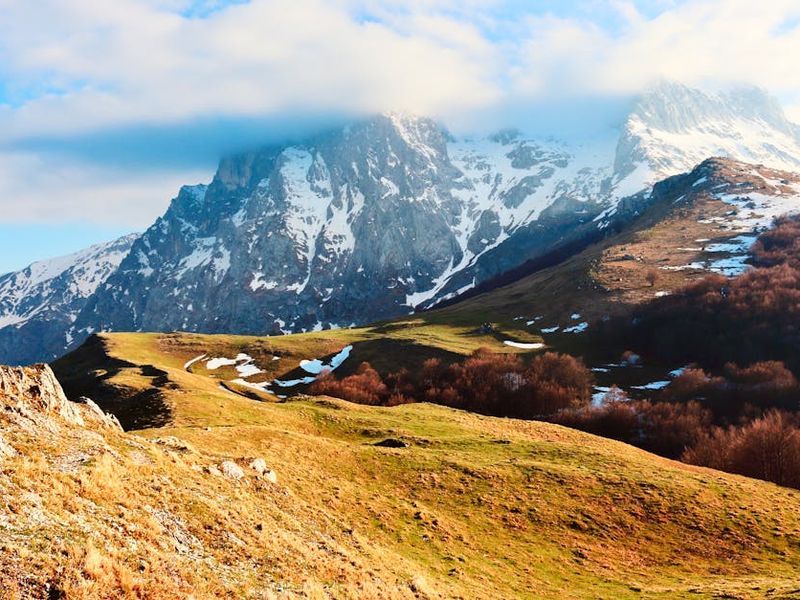
- Cajas National Park. A short drive from the city, the high Andean lakes and trailheads offer scenic views and short, gentle hikes. The altitude and cool air are restorative—stick to easy loops and avoid strenuous climbs during immediate post-op days.
- Handicraft towns. Nearby towns like Gualaceo and Chordeleg (famous for silver filigree) are perfect for half-day trips to see artisans at work and buy souvenirs without long travel times.
- Local hot springs and wellness escapes. The region has small thermal spas and wellness centers where you can soak under supervision. Consult your dentist before hot baths in the immediate post-operative period if you’ve had implants or extractions.
- Scenic drives and lookout points. A short drive to Mirador de Turi gives panoramic views of Cuenca—an easy outing that feels like a reward after treatment days.
Food and Nutrition: Eating Well During Recovery
One of the perks of recovering in Cuenca is access to delicious, nutritious soft-food options. Change your diet temporarily into something gentle and supportive of healing.
- Soups and locros. Traditional Ecuadorian soups like locro (potato and cheese soup) are filling, warm and easy to eat after veneers or crown placement.
- Smoothies and fruit purées. Local fruits make for nutrient-rich smoothies—avoid seeds or husk that might irritate sensitive mouths in the first few days.
- Yoghurts, puréed vegetables and soft proteins. Eggs, flaked fish and shredded chicken prepared softly are excellent sources of protein for tissue healing.
- Avoid staining and hard foods. For the first 48–72 hours, minimize coffee, red wine, beets and strong teas if you’ve had veneers. Avoid crunchy or sticky foods for at least a week to protect bonded restorations.
Practical Tips for a Smooth Dental Tourism Trip
Planning well makes your dental vacation stress-free. These practical tips will save time and help you enjoy your stay.
- Book a consult before you travel. Many Cuenca clinics offer online consultations and treatment estimates. Start with digital photos and a brief medical history to get a realistic plan and cost estimate.
- Coordinate logistics. Choose a clinic that offers airport transfers, hotel recommendations, and local coordination. Many clinics provide English-speaking coordinators who handle appointments and any needed translation.
- Know the timeline for implants. Implants may require staged visits months apart. If you need implants, ask whether temporary solutions can be completed during your stay and how follow-up will be handled.
- Travel insurance and dental warranties. Ask about guarantees on work and what post-procedure support is available if you return home and have questions. Travel insurance can be useful—especially if you plan multiple trips for staged implant work.
- Bring medical records and a medication list. Share your dental and medical history with the dentist before you arrive to speed up diagnosis and avoid surprises.
- Plan rest days. Line up light activities for the days immediately following appointments. Avoid heavy sightseeing or long drives on the first few days.
Safety, Quality and Value
Safety and quality are top concerns for dental tourists. Cuenca answers both with modern clinics, sterile environments and clinicians who prioritize one-on-one care. The incredible value—allowing comprehensive restorative work at a fraction of North American prices—makes Cuenca especially attractive. For example, the savings on veneers, crowns and implants often allow patients to choose higher-grade materials or add cosmetic finishing touches that would be cost-prohibitive back home.
When selecting a clinic, look for digital imaging capabilities (3D scanning), clear before-and-after portfolios, transparent pricing, and direct patient testimonials. Many clinics will also coordinate necessary lab work and consult with specialists if your case requires complex treatment planning.
Real Patient Experience: Mixing Treatment with Culture
Imagine this common scenario: you fly into Cuenca, meet your dentist for a morning consult, place temporary veneers, then spend the afternoon wandering the cathedral plazas and sipping a cool fruit smoothie at a riverside café. The next week you finalize your veneers, attend a follow-up check, and celebrate with a slow dinner—soft local dishes, warm hospitality, and a sense of accomplishment at both your new smile and the memories you made.
Patients who choose Cuenca often report that the city’s calm pace and friendly culture made their recovery more comfortable than expected. One-on-one care from a trusted clinician, combined with the ability to rest in a pleasant environment, turns a necessary dental procedure into a restorative vacation.
Final Thoughts: Exceptional Value, Exceptional Setting
Cuenca, Ecuador stands out as an ideal destination for dental tourism and dental vacations. The combination of 60–70% cost savings, highly trained dentists, modern clinics with advanced technology, short wait times and personalized care creates exceptional value. Add in the charming historic center, calm river walks, nearby natural wonders like Cajas National Park and an unbeatable climate for healing, and you have a dental holiday that’s as productive as it is restorative.
If you’re planning veneers, crowns or implants, consider Cuenca not just as a destination for affordable dental care, but as a place to recover, recharge and rediscover the joy of a confident smile in a beautiful, welcoming city.
Quick Checklist Before You Book
- Request an online consult and cost estimate.
- Confirm clinic’s technology (digital scans, 3D imaging, CAD/CAM).
- Arrange accommodations near your clinic for easy access.
- Plan meals for soft-food recovery and bring any prescription meds you typically use.
- Schedule rest days and reserve light activities like museums, river walks and artisan markets.
With careful planning, Cuenca can turn your dental work into an unforgettable, affordable and confidence-building experience. Your new smile—and the memories you make along the way—may be the best souvenirs of all.