
Table of Contents
Why Cuenca Is a Retirement-Era Dental Destination
For retirees searching for high-quality dental care without the staggering North American price tags, Cuenca, Ecuador has evolved into one of the world’s most compelling dental tourism destinations. With dramatic cost savings, highly trained dentists, modern clinics and an ideal recovery environment, retirees find they can improve their oral health and enjoy an extended vacation—all in one trip.
Unbeatable Savings: 60–70% Less Than the US and Canada
Cost is the single biggest motivator for retired patients choosing Cuenca. Typical dental implant procedures that can cost between $3,000 and $6,000 per tooth in the United States often run between $900 and $1,800 in Cuenca. Crowns that are $800–$1,500 in North America are commonly priced at $200–$400 here. Veneers that may cost $1,000–$2,000 a tooth back home often fall into the $200–$500 range in Cuenca.
Those numbers translate to lifetime-changing savings. A small bridge or sequence of implants can be 60–70% cheaper, allowing retirees on fixed incomes to access restorative care they might otherwise delay indefinitely.
World-Class Dentists Trained at Top Universities
Cuenca’s dental professionals often graduate from strong local programs such as Universidad del Azuay and Universidad de Cuenca and many pursue advanced training in implantology, prosthodontics and oral surgery—sometimes with continuing education in Europe or North America. Clinics commonly advertise board-certified specialists, university-affiliated instructors and postgraduate degrees in implant dentistry.
Many dentists also participate in international conferences and keep up with global best practices. That combination of solid foundational education and continued specialization means retirees are cared for by clinicians who understand complex restorative procedures and long-term prosthetic planning.
Modern Clinics and Cutting-Edge Technology
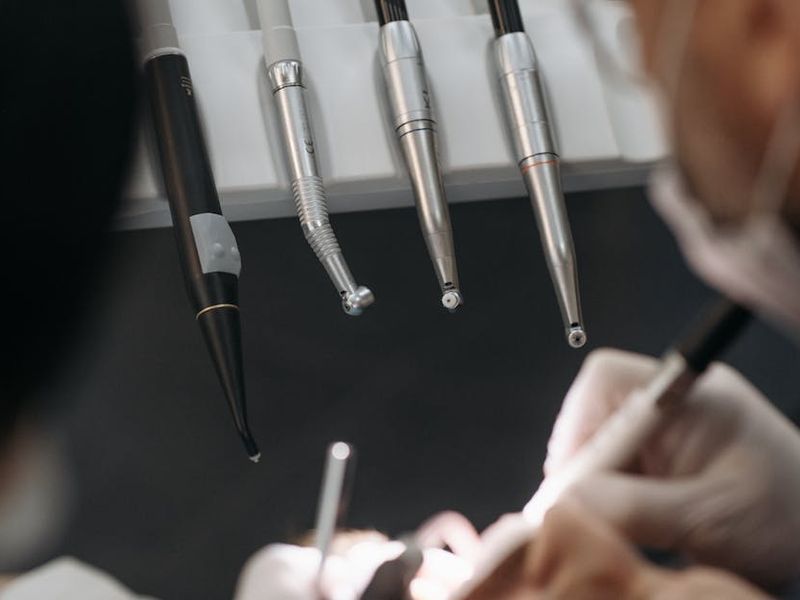
Cuenca’s private dental clinics are decidedly modern. Expect on-site digital radiography, 3D cone-beam CT scanners for precise implant planning, CAD/CAM milling for same-day crowns, and sterile surgical suites. Clinics near the city center and in the Miraflores neighborhood often look and operate like North American facilities.
Many practices use internationally recognized implant and restorative brands—Nobel Biocare, Straumann, Zimmer and similar names—so the materials and components are familiar to patients used to higher-cost markets. Ask each clinic for specifics about brands and warranties; reputable offices are transparent about materials and follow-up policies.
The Perfect Recovery Environment: Nature, Culture and Mild Weather
Cuenca’s spring-like climate (average temperatures in the 50s–70s°F or 10–25°C) and clean mountain air at roughly 2,500 meters elevation create a gentle recovery setting. After implant surgery or extensive crownwork, retirees often prefer the low-stress pace of Cuenca’s historic center where walks by the Tomebamba River, sunshine-filled plazas and quiet cafes help the body heal.
World-class recovery isn’t just physical. The city’s cultural richness—museum visits, artisan markets, classical music concerts and friendly neighborhood cafés—makes downtime restorative for both mind and body, turning medical travel into a true dental vacation.
Combine Procedures with Sightseeing: Dental Care Meets Vacation
One of the biggest advantages for retirees is the ability to pair dental work with a memorable trip. While a crown is being milled in the clinic’s CAD/CAM unit, you can explore the UNESCO-listed Historic Center or take a short day trip to Cajas National Park for gentle hikes and birdwatching.
Many clinics offer dental tourism packages that include airport transfers, hotel recommendations, local tours and even Spanish lessons. Retirees often schedule initial consultations, implant placements and prosthetic fittings over multiple visits spaced with sightseeing and rest days in between—so treatment and travel work hand in hand.
Short Wait Times and Personalized, One-on-One Care
Unlike many North American clinics where specialist appointments can be months out, Cuenca dentists typically offer much shorter wait times. Private practices prioritize appointments for international patients and retirees who travel specifically for treatment.
Small practice sizes and a culture of hospitality mean patients get one-on-one attention. From preoperative phone consultations to post-op checkups, many retirees report a concierge-like approach—clinic staff coordinate x-rays, labs, and follow-up visits, often speaking English or providing translators to ease communication.
Types of Procedures Popular with Retirees
Cuenca is well known for several restorative and cosmetic procedures that retirees commonly seek:
- Single-tooth and multi-unit dental implants, including bone grafting when needed.
- All-on-4 and full arch implant solutions for those replacing an entire dentition.
- Porcelain and zirconia crowns, designed and milled on-site for rapid turnaround.
- Porcelain veneers and cosmetic smile design to rejuvenate tooth appearance.
- Implant-retained dentures that combine stability with affordability.
Many clinics offer financing plans and package pricing for multi-procedure cases that make comprehensive restorative work practical for retirees.
Timeline: What to Expect for Implants, Crowns and Veneers
Knowing the typical timeline makes planning a dental vacation straightforward. Here’s a common schedule:
- Initial consultation and imaging: 1–2 days. Bring prior dental records and X-rays to accelerate diagnosis.
- Implant placement surgery: one day for the procedure. Many clinics schedule rest days following surgery.
- Healing period: typically 3–4 months for osseointegration, though immediate load implants and All-on-4 techniques can reduce prosthetic timing for qualified candidates.
- Replacement crown or final prosthesis: several visits over days to weeks depending on design and whether lab work is done in-house.
Retirees can split treatment into multiple visits across months to combine recovery and travel, or complete advanced cases in one extended stay with careful planning.
Practical Tips for Planning a Dental Vacation in Cuenca
Smart planning maximizes savings and minimizes stress. Here are practical, retiree-focused tips:
- Gather your dental records and recent X-rays before contacting clinics. Many dentists will review digital files ahead of a consultation.
- Ask clinics about the implant brands, crown materials (zirconia or porcelain), and lab partners. Request photos of previous work and references.
- Confirm language options. Many clinics have English-speaking staff; if not, a local translator or bilingual hotel staff can help.
- Book flights into Cuenca’s Mariscal Lamar International Airport (CUE) and choose accommodations near the Historic Center or Miraflores for easy clinic access and recovery-friendly amenities.
- Check local pharmacy availability for post-op prescriptions; many medications are inexpensive and accessible in Cuenca pharmacies.
- Arrange follow-up care: discuss timelines for follow-ups and what happens if additional visits are needed after you return home.
- Consider travel insurance that covers medical travel and unexpected complications, and keep contact details for your clinic handy.
Safety, Cleanliness and Professional Standards
Safety is a top priority for reputable clinics. Expect strict sterilization protocols, modern infection control standards and well-maintained facilities. Many practices follow international sterilization practices and staff receive regular training.
Check for accreditation, affiliations with dental associations and patient testimonials. Reputable clinics are transparent about their procedures, staff credentials and emergency protocols.
Warranties, Guarantees and Long-Term Care
Ask about warranties for implants and prosthetic work. Many reputable Cuenca clinics offer guarantees on prosthetics and will coordinate repairs or adjustments if needed. Discuss what the warranty covers, timeframes and any costs involved for follow-up appointments.
Because retirees may return home after treatment, plan how to handle maintenance and repairs. Some clinics provide long-distance support via email or telemedicine and will coordinate with dentists in your home country if future issues arise.
Budget Example: Real-World Savings Illustration
To illustrate the savings, consider a retiree needing two implants and two crowns. In the US or Canada, this might cost $12,000–$16,000. In Cuenca, the same work could cost $3,600–$5,000—saving roughly 70% while receiving the same quality of care and materials.
Those savings can cover flights, comfortable accommodation for an extended stay, local excursions and even additional dental maintenance—turning a medical expense into an uplifting life experience.
Aftercare: Recovery and Local Services
Cuenca’s healthcare network supports dental tourists with numerous services. Private hospitals and clinics are accessible for emergencies, and pharmacies are well stocked. Many hotels and Airbnbs cater to long stays with kitchens and laundry, ideal for retirees recovering from procedures.
For extra comfort, clinics often arrange home-care visits or recommend local caregivers for patients who prefer extra support during the first few days after surgery.
How to Choose the Right Clinic in Cuenca
Choosing the right clinic is about fit as much as credentials. Look for:
- Clear communication and willingness to review your case remotely before travel.
- Documentation of clinician credentials and continuing education.
- Transparent pricing and detailed treatment plans.
- Positive patient reviews that reference comfort, cleanliness and hospitality.
- Available follow-up and warranty policies that suit international patients.
Set up video consultations to get a feel for the team and discuss timelines, materials and recovery expectations well before booking travel.
Final Thoughts: Why Retirees Keep Returning to Cuenca
For retirees, Cuenca strikes a nearly perfect balance of affordability, quality and quality-of-life. Dramatic cost savings let patients access modern implant solutions and aesthetic upgrades that might otherwise be prohibitively expensive. World-class dentists, modern clinics, short wait times and a welcoming recovery environment make the experience efficient and pleasant. Add the ability to mix treatment with travel, culture and gentle outdoor activity, and it’s easy to see why retirees view Cuenca not just as a place to get dental work—but as a smart, value-rich dental vacation.
If you are considering dental implants, crowns or veneers, Cuenca offers a combination of professional care and life-enriching travel that is especially well suited to retirees. With advance planning and a reputable clinic, you can restore your smile, save thousands of dollars, and return home refreshed.