
Table of Contents
Introduction: A New Way to Think About Dental Care
If you need major dental work—implants, full-mouth restorations, crowns or veneers—Cuenca, Ecuador deserves a spot at the top of your shortlist. This Andean city blends dramatic cost savings, highly trained clinicians and modern clinics with a beautiful, mellow recovery environment and abundant vacation opportunities. In short, Cuenca is not just a medical destination; it’s a restorative travel experience that often delivers the same or better clinical results at a fraction of the price you’d pay in the United States or Canada.
Why Dental Tourism in Cuenca Saves You 60–70% (or More)
Cost is the headline reason people choose Cuenca for dental work. Typical fees in the U.S. and Canada for a single dental implant can range from $3,000 to $6,000, porcelain crowns often run $1,000–$1,500 per tooth, and veneers can cost $1,200–$2,500 each. In Cuenca, comparable implants frequently fall in the $900–$2,000 range, crowns $250–$500, and veneers $300–$600—results that translate into 60–70% savings for most procedures.
Because Ecuador uses the U.S. dollar, pricing is straightforward and transparent. These savings aren’t about cutting corners—many clinics in Cuenca offer CAD/CAM crowns made with the same materials, modern implant brands, and prosthetics crafted in-house or in local dental labs that meet international standards.
Highly Trained Dentists and International Standards
Another major reason Cuenca is emerging as a dental tourism leader: the dentists. Many local clinicians are graduates of respected Ecuadorian universities like Universidad de Cuenca and pursue continuing education and specialist training abroad in the U.S., Europe and Latin America. You’ll find implantologists, prosthodontists, endodontists and periodontists with postgraduate training and memberships in international dental organizations.
Look for clinics that openly share credentials, clinical photos, and case studies. Many offer virtual consultations so you can ask about training, implant brands, the materials used for crowns/veneers, sedation options and follow-up protocols before you book travel.
State-of-the-Art Clinics and Technology
Modern dental tourism in Cuenca is supported by clinics equipped with cutting-edge technology: digital X-rays, cone-beam CT (CBCT) scans for precise implant planning, intraoral scanners, CAD/CAM milling machines for same-day crowns, and 3D printing for surgical guides and provisional restorations. Clinics often use well-known implant systems and provide immediate-load options (such as All-on-4) when clinically appropriate.
These technologies reduce treatment time, increase accuracy, and improve outcomes. Combined with the lower overhead in Ecuador, you get modern protocols without the steep price tag you’ll find in North America.
The Ideal Recovery Setting: Cuenca’s Climate, Culture and Calm
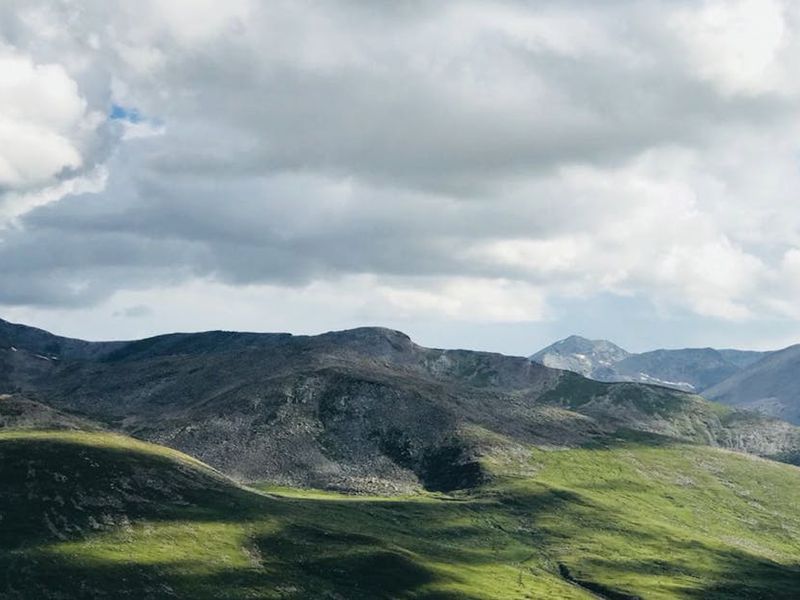
Recovery matters. Cuenca’s spring-like climate—mild temperatures year-round—helps make healing comfortable. At an altitude of about 2,560 meters (8,400 feet), some visitors take a day to acclimatize, but the city is known for gentle weather, green parks, and clean air. Imagine recuperating after implant surgery while strolling along the Tomebamba River or sipping coffee in a quiet courtyard instead of recovering in a hotel chain near a noisy highway.
Cuenca’s compact, walkable historic center (a UNESCO World Heritage site) is filled with cafes, bakeries, museums, and low-stress experiences that are ideal for your downtime. For day trips, the nearby Cajas National Park offers fresh mountain air and gentle hikes—perfect for someone easing back into activity after dental surgery.
Short Wait Times and Personalized One-on-One Care
One of the most frustrating parts of getting major dental work at home can be long waits for specialist appointments and production times. In Cuenca, private clinics typically schedule patients faster and offer personalized care. You’ll often meet directly with your dentist for extended consultations, treatment planning, and post-op follow-ups rather than being passed through a large corporate system.
Many clinics provide bilingual staff, airport pick-up, and dedicated patient coordinators who help arrange appointments, imaging, and prosthetic labs—streamlining the process and creating a comfortable experience for international patients.
How Treatment Timelines Work: Planning for Implants, Crowns and Veneers
Understanding timelines helps you create a realistic vacation plan. Here’s how the most common major procedures typically break down when you combine treatment with a stay in Cuenca:
- Single implants: Initial consult + implant placement, then a healing period of 3–4 months before the crown is attached. Many patients schedule two trips: a week for surgery and immediate post-op, and a return visit for the final restoration. Some clinics offer immediate loading where appropriate, reducing return visits.
- All-on-4 / full-arch restorations: These can often be completed in 7–10 days, including extraction, implant placement and provisional prosthesis—ideal for a single dental vacation.
- Crowns and veneers: With CAD/CAM technology, many crowns and veneers can be completed in 1–2 visits, often within a week. Same-day crowns are common in Cuenca clinics using in-house milling.
Work with your chosen clinic to choose a timeline that fits your schedule. If multiple surgeries and healing stages are required, plan for flexibility and consider shorter, staged trips to manage healing comfortably.
Practical Travel Tips: Where to Stay, How Long to Stay, and What to Pack
Cuenca has a range of accommodations to suit dental tourists: boutique hotels and Airbnb apartments in the Historic Center are popular for short stays because they’re walkable and close to clinics. If you prefer a quieter recovery space, neighborhoods like Turi provide calmer, scenic options with great views of the city.
- Length of stay: For crowns or veneers, plan 5–10 days. For implants, expect at least one week for surgery and immediate recovery, with a possible return trip after the healing period unless you opt for immediate-load implants.
- What to pack: Copies of your dental records and X-rays, a list of medications and allergies, sunglasses (for bright high-altitude sun), comfortable clothing, a rechargeable oral hygiene kit (soft toothbrush), and a travel pillow for extra comfort after sedation or surgery.
- Health precautions: Bring any prescriptions your dentist recommends, and if you take regular medications, carry extra. It’s a good idea to schedule a brief acclimatization day on arrival if you’re sensitive to altitude.
Money, Insurance and Payment Methods
Because Ecuador uses the U.S. dollar, American and Canadian patients find currency conversion simple. Clinics commonly accept bank transfers, major credit cards, and cash. Ask in advance about deposits and cancellation policies. Some clinics offer financing partnerships or packaged pricing that includes accommodation and transfers for international patients.
Most U.S. and Canadian dental insurance plans won’t cover treatment abroad, but the out-of-pocket savings often more than offset travel costs. Always request a detailed written estimate and verify what’s included (materials, lab fees, follow-up visits, and possible complications).
Questions to Ask Before You Book: Credentials, Materials and Guarantees
Before you book, get clear answers to the following:
- What are the dentist’s qualifications and where did they receive postgraduate training?
- Which implant systems and crown/veneer materials will be used?
- Can I see before-and-after photos of similar cases and patient references?
- What is the complete timeline and how many visits will be needed?
- What guarantees or warranties exist for implants and prosthetics?
- How are emergencies handled after I return home?
Transparent clinics will happily provide this information and arrange a virtual consult so you can discuss details directly with your treating dentist.
Sample 10-Day Dental Vacation Itineraries
Here are two sample itineraries to visualize how dental work and vacation time can be combined in Cuenca.
Option A: Crowns or Veneers — 7–10 Day Trip
- Day 1: Arrival, settle in, brief acclimatization walk around Parque Calderón.
- Day 2: Full clinical exam, imaging, and treatment planning.
- Day 3: Preparation appointments (tooth shaping/impressions) or digital scanning.
- Day 4–6: Rest and local sightseeing (Tomebamba river walks, artisan markets in El Barranco).
- Day 7: Fitting and final placement, post-op instructions.
- Day 8–10: Recovery, farewell dinners, optional day trip to Cajas National Park before departing.
Option B: Implants (Two-Trip Approach)
- Trip 1 (7–10 days): Consult, extraction (if needed), implant placement, and initial recovery in Cuenca.
- Healing period: 3–4 months at home (regular check-ins with your clinic via telemedicine).
- Trip 2 (3–7 days): Final impressions, placement of crowns or fixed prosthesis, final adjustments and follow-up.
Aftercare, Follow-Up and What Happens If There’s a Problem
Good clinics give clear written aftercare instructions, prescriptions for antibiotics and analgesics, and follow-up appointments. Many offer telehealth follow-ups so you can send photos or video calls if concerns arise after you return home. Ask about what happens if a complication occurs—some clinics arrange local partner dentists for emergency care or offer a return-visit policy for repairs within a specified warranty period.
Local pharmacies are plentiful in Cuenca, and many pharmacists speak English or will help with translation. The city’s healthcare infrastructure includes modern clinics and hospitals if you need medical attention beyond dental care.
Combining Culture, Cuisine and Comfortable Recovery
One of the biggest non-clinical advantages of choosing Cuenca is that the city itself is part of the recovery. Spend gentle days visiting the Catedral Nueva, exploring artisan towns like Chordeleg (famous for silver jewelry), tasting local cuisine such as mote pillo and roasted cuy if you’re adventurous, or simply sipping coffee in a quiet plaza.
Cuenca’s expat community is also large and welcoming, so you’ll find English-speaking services, familiar foods and social opportunities that make recovery less isolating. Cultural richness plus low-stress surroundings adds real value to your dental vacation.
Final Thoughts: Value, Quality and an Unforgettable Dental Vacation
If you’re considering major dental work, Cuenca, Ecuador is a compelling option for medical tourists seeking exceptional value without sacrificing quality. With 60–70% savings, highly trained clinicians, modern technology, short wait times, and a beautiful city to recover in, Cuenca turns necessary dental treatment into a restorative experience. The secret is planning: choose a reputable clinic, confirm credentials and materials, and design a realistic timeline that balances clinical needs with relaxation and recovery.
When planned well, a dental vacation to Cuenca offers both a confident new smile and memories of a charming Andean city—an outcome many find better than just a procedure at home. Start with a virtual consult, compare detailed treatment plans, and you may find that your best dental care—and the best recovery—happens in the heart of Ecuador’s highlands.