
Table of Contents
Introduction: The New Dental Vacation Destination
If you’re an American or Canadian considering dental work, Cuenca, Ecuador should be at the top of your list. This charming Andean city offers high-quality dentistry at a fraction of North American prices, combined with a safe, walkable colonial center, comfortable climate, and easy access to nature — an ideal environment for both dental procedures and recovery. In short: Cuenca is where smart dental tourism meets a delightful vacation.
Massive Savings Without Compromising Quality
The most immediate reason patients flock to Cuenca is cost. Expect savings of roughly 60–70% compared to typical U.S. and Canadian fees. For example, a single dental implant in the U.S. can cost between $3,000 and $6,000; in Cuenca, many reputable clinics quote prices in the range of $800–$1,500. Crowns, veneers, and other restorative work follow similar patterns — crowns are often 60–70% cheaper, veneers can be 50–70% lower, and full-arch solutions (All-on-4) can save thousands.
These savings make transformative care attainable: getting multiple implants, upgrading to higher-quality materials (zirconia, titanium), or choosing premium ceramic veneers becomes realistic — and still usually costs less than a single equivalent procedure back home.
World-Class Dentists Trained Locally and Abroad
Cuenca’s dentists are professionally trained at top Ecuadorian universities and many complete postgraduate specialization or continuing education in the U.S., Europe, or other Latin American centers. You’ll find specialists in implantology, prosthodontics, endodontics, periodontics, and cosmetic dentistry, often collaborating in multi-doctor clinics.
When choosing a dentist, ask for education and certification details, before-and-after photos, and patient references. Reputable clinics are proud to show credentials, digital case records, and 3D imaging that demonstrate modern diagnostic standards.
Modern Clinics and Cutting-Edge Technology
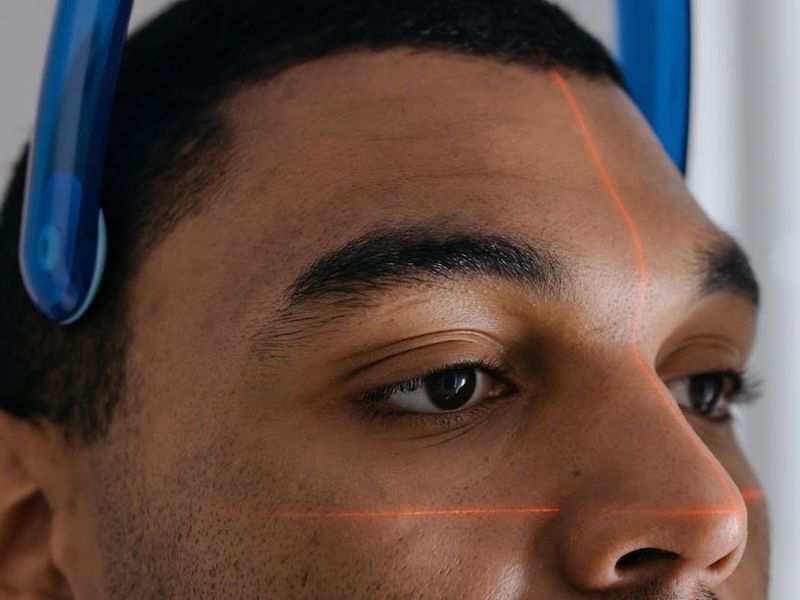
Clinical standards in Cuenca have risen dramatically in recent years. Many dental practices are outfitted with digital panoramic X-rays, CBCT (3D cone beam CT) scans, CAD/CAM systems (CEREC), intraoral scanners, and on-site milling for same-day crowns. These technologies let clinics deliver precise implants, custom abutments, and esthetic crowns and veneers with fast turnaround.
Ask clinics about sterilization protocols, which are comparable to international standards. Modern offices frequently have multilingual staff, online consultations, and digital case planning so you can weigh options before traveling.
Short Wait Times and Efficient Treatment Plans
One of the biggest advantages of coming to Cuenca is speed. In many cases you can schedule consultations within days, and treatments often start quickly — unlike long waits for specialists at home. Many clinics offer streamlined treatment paths: initial evaluation and diagnostics in 1–2 days, surgery schedules within a week, and follow-up appointments arranged to fit your travel plans.
For implants, some clinics offer immediate-load implants or All-on-4 solutions that reduce total trips. Others use a staged approach (surgery, healing, prosthetic placement) and will help you plan a two-visit timeline if necessary.
Designing Your Dental Vacation: Recovery Meets Recreation
Cuenca’s beautiful environment is perfect for recovering after procedures. The city sits at about 2,560 meters (8,400 ft) in the southern Andes; its mild, spring-like climate and fresh mountain air support restful convalescence. The historic center, with cobblestone streets, parks, and cafés, is easy to navigate on light walks — ideal after dental surgery.
Recommended gentle post-op activities include strolling Parque Calderón, visiting artisan markets in nearby Gualaceo and Chordeleg, or taking scenic drives through the Cajas National Park for short, low-impact hikes. Many clinics recommend avoiding heavy exertion for several days after surgery, but Cuenca’s culture of relaxed outdoor cafés and accessible day trips makes restful recovery enjoyable.
Accommodation, Food, and Logistics Tailored to Patients
Cuenca has a robust hospitality sector geared to international visitors. You can choose boutique hotels and short-term rentals in the Historic Center (closest to clinics and cafés), quieter residential neighborhoods like Yanuncay or El Batán, or family-run guesthouses offering flexible check-ins and transport help.
Clinics often partner with hotels and offer package deals that include airport transfers, hotel stays, and local transport between appointments. Dining options are plentiful, with affordable, nutritious meals and international cuisine. Pharmacies and follow-up supplies are inexpensive and widely available — an important convenience for post-op prescriptions and care items.
Practical Timelines: One-Trip vs. Two-Trip Strategies
How many trips you’ll need depends on the procedures chosen. Here are practical timelines many patients use:
- Crowns and veneers: Many cosmetic crowns or veneers can be completed in 7–10 days if the clinic uses an in-house lab or CAD/CAM milling. This makes a one-trip dental vacation perfectly feasible.
- Single or multiple implants (conventional): Surgery and temporary restorations occur on the first trip; after a 3–4 month healing period, you return for final crowns and prosthetics. The overall cost is still far lower even with two trips.
- Immediate-load implants and All-on-4: These allow full-arch restorations in a single extended visit (10–14 days), ideal for patients who prefer fewer trips.
Work with your clinic to choose a plan that fits your timeline, budget, and travel preferences. Many clinics also provide provisional prosthetics so you’re never without a smile while healing.
Safety, Standards, and Patient Care
Cuenca is considered one of Ecuador’s safest cities, with a large, welcoming expat community. Dental clinics serving international patients emphasize patient safety and personalized care. You’ll often experience one-on-one time with your dentist during consultations, step-by-step explanations of the proposed treatment, and a dedicated coordinator to assist with logistics and follow-up.
Before committing, verify that your chosen clinic provides clear written estimates, treatment timelines, and postoperative instructions. Look for recent patient testimonials, and don’t hesitate to ask for digital records or references to feel confident in your choice.
Language, Communication, and Expectations
Many dental professionals in Cuenca speak English, and clinics accustomed to international patients typically have bilingual staff. Still, prepare for clear communication: send medical and dental histories, recent X-rays, and a list of medications in advance. A preliminary video or email consultation can help set expectations and speed up on-site diagnostics.
Also discuss warranty policies, material types (e.g., titanium vs. zirconia implants, porcelain vs. composite veneers), and post-op care. Transparency here avoids surprises and ensures you get the quality you expect.
Value-Driven Choices: Materials, Warranties, and Longevity
Because costs are lower, you can often afford higher-grade materials in Cuenca than you might at home. Many clinics offer premium zirconia crowns and titanium implants with warranties and long-term maintenance plans. Discuss realistic longevity expectations and maintenance routines: proper oral hygiene, routine cleanings, and periodic check-ups will extend the life of your restorations.
Ask about screw-retained vs. cemented prostheses, the use of custom abutments, and whether the lab work is done in-house or by a trusted external lab — details that affect fit, function, and esthetics.
Real Patients, Real Results: What to Look For
When evaluating before-you-go information, look for these signs of a reliable practice:
- Detailed case studies with before-and-after photos and descriptions
- Use of digital diagnostics (CBCT, intraoral scans)
- Clear communication on costs, timelines, and potential complications
- Postoperative support plans and local emergency procedures
- Positive, recent reviews from international patients
Patients who plan properly and select clinics with transparent processes tend to have the best outcomes and the most pleasant dental vacation experience.
Practical Tips for a Smooth Dental Trip to Cuenca
- Bring copies of your dental records and, if possible, digital X-rays; this saves time and avoids repeat imaging.
- Plan for at least a few days of gentle rest after major surgery; book accommodation close to your clinic for convenience.
- Confirm what payment methods are accepted; many clinics accept credit cards, bank transfers, or cash in U.S. dollars.
- Ask the clinic for a written estimate that includes taxes, lab fees, anesthesia, and follow-up visits.
- Pack a small recovery kit: soft foods, salt rinses, over-the-counter pain relievers you normally use, and any prescribed medications.
- Check the weather and altitude considerations; stay hydrated at high altitude and avoid heavy exertion for the recommended period.
- Schedule your return-trip timing according to the recommended healing milestones rather than travel deals.
Combining Care with Culture: What to Do During Recovery
Cuenca offers a perfect blend of low-stress cultural experiences — museums, artisan markets, and quiet plazas — that pair well with dental recovery. Gentle activities like museum visits, coffee tasting in local cafés, or scenic drives to Cajas National Park provide mental refreshment without physical strain.
Nearby day trips to Ingapirca ruins, artisan towns such as Chordeleg (known for silver jewelry), or small hot-spring destinations are all accessible and restful. Many patients report that the relaxed pace of Cuenca makes recovery feel restorative, not limiting.
Final Thoughts: Exceptional Value Meets Exceptional Care
For North Americans seeking dental implants, crowns, or veneers, Cuenca is a compelling option. The combination of dramatic cost savings (often 60–70%), modern clinics and technology, highly trained dentists, short wait times, and a serene recovery environment makes it one of the world’s best dental tourism destinations.
With careful planning — verifying clinic credentials, arranging a clear treatment plan, and coordinating travel and recovery — you can transform both your smile and your perspective on health travel. Cuenca isn’t just a place to save money; it’s a place to get world-class dental care while enjoying one of South America’s most beautiful colonial cities.
Next Steps
Start with a few clinic consultations by email or video, request detailed treatment plans and cost breakdowns, and compare timelines. Once you select a provider, pair your appointments with a comfortable hotel reservation and a light itinerary of restorative activities. Your dental vacation in Cuenca might be the best investment you ever make — for your smile and for your peace of mind.