
Table of Contents
Why Cuenca attracts Americans — and what ‘American-friendly’ really means
Cuenca, Ecuador, is a top pick for many Americans looking to stretch retirement savings, enjoy mild weather, and live in a historic, walkable city. But “American-friendly” doesn’t mean neighborhoods are Americanized — it means they offer the services, amenities, and conveniences that many U.S. expats value: English-speaking networks, reliable healthcare nearby, comfortable modern housing options, supermarkets that carry familiar brands, and reasonable access to cultural life.
This guide walks through the neighborhoods where Americans most often settle, explains the vibe of each area, and gives practical tips to help you pick the right place based on budget, mobility, and lifestyle goals.
Quick checklist: What to look for when choosing a neighborhood
- Proximity to medical clinics and pharmacies — essential for retirees.
- Walkability and access to markets, banks, and restaurants.
- Noise level and safety — especially if you value quiet evenings.
- Housing types — historic apartments vs. newer condos vs. single-family homes.
- Public transport and taxi availability.
- Presence of expat communities, language classes, and social groups.
1) El Centro (Historic Center) — for culture lovers who want to be in the middle of it all
El Centro, centered around Parque Calderón and the cathedral, is the heart of Cuenca’s UNESCO-listed colonial district. Its cobblestone streets, balconies with geraniums, and riverside promenades are major draws.
Why Americans choose it: living in El Centro means walking to museums, artisanal markets, cafés, and some of the city’s best restaurants. It’s ideal if you want to experience Cuenca’s celebrations and cultural life up close.
Housing: Many expats rent renovated colonial apartments with high ceilings and original features; others choose modernized condos tucked into restored buildings. Noise and tourism can be a factor, and parking is often limited.
Tip: Look for apartments with modern windows for soundproofing and a backup hot-water system; these are common retrofit features that make colonial living more comfortable.
2) San Sebastián — bohemian charm with artisan markets and quieter streets
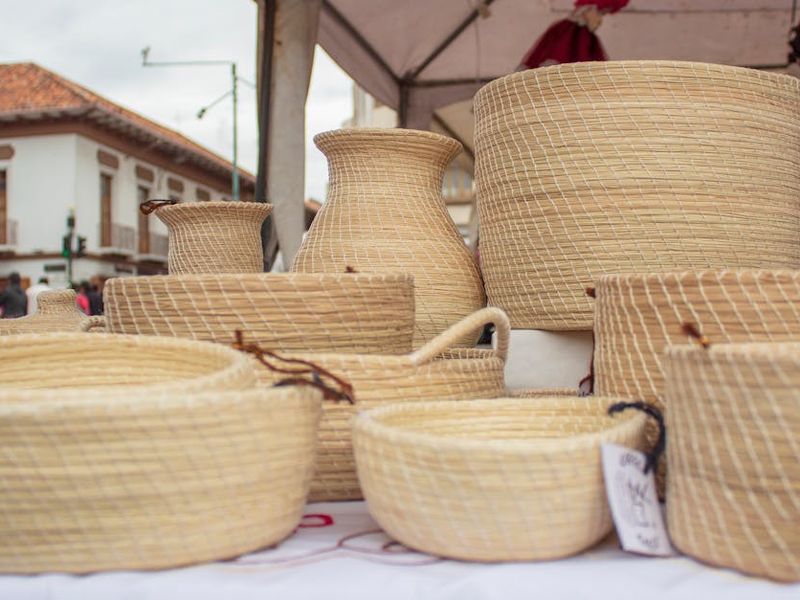
San Sebastián sits just north of the historic center and has a relaxed, artsy vibe. Narrow lanes, small plazas, and local craft shops make it appealing to expats who appreciate community feel without being in the busiest tourist corridors.
Why Americans choose it: San Sebastián offers a neighborhood atmosphere with small grocery stores, bakeries, and plenty of artisan shops. It’s close enough to downtown for convenience but often quieter in the evenings.
Housing: Expect a mix of older homes, low-rise apartment buildings, and some newer rentals aimed at foreign residents. Streets can be steep in parts, so consider mobility when looking at specific blocks.
3) El Vergel and Tomebamba riverfront areas — modern, green, and family-friendly
Neighborhoods along the Tomebamba river and slightly east of the center, including El Vergel, attract families and retirement couples who want greener surroundings and modern conveniences.
Why Americans choose it: These areas offer riverside promenades for walks, parks, and easy access to larger supermarkets, service centers, and some of the city’s best schools and clinics. The vibe is residential and relaxed.
Housing: Contemporary apartment complexes, gated communities, and single-family homes are more common here. Many newer buildings offer underground parking, elevators, and amenities like gyms.
Tip: If you value walking or biking, prioritize sections of the riverfront that have continuous walkways and good lighting.
4) Ricaurte and north-side residential zones — convenience for daily living
Ricaurte and nearby north-side neighborhoods are popular with people who want a straightforward, practical lifestyle: supermarkets, medical offices, banks, and service centers are all within easy reach.
Why Americans choose it: This is a good fit for those who want one-level living, less tourist activity, and quick access to everyday commerce. It’s especially popular with expat couples who plan to spend time driving or want a quieter base.
Housing: Expect mid-range apartments and casas in family blocks. Prices here can be more reasonable than in the heart of the historic center, and parking is often easier to find.
5) Yanuncay and growing eastern districts — new builds and modern comforts
The eastern edge of Cuenca, along the valley carved by the Yanuncay river, has seen new residential development aimed at middle-to-upper-income residents. These areas often have contemporary apartments and gated communities with amenities.
Why Americans choose it: If you want a newer construction with reliable infrastructure, good security, and clubhouse-style amenities, these neighborhoods are worth viewing. They also tend to have wider streets and better vehicle access.
Housing: Newer multi-unit buildings, modern finishes, and larger parking spaces are typical. These can be attractive for expats who want a home that feels familiar to North American standards.
6) Bellavista and higher-elevation spots — views and cooler temperatures
Neighborhoods on the hills around Cuenca offer vantage points with sweeping views over the city. Bellavista is one example of areas that sit above the center and appeal to people who like scenic outlooks and slightly cooler air.
Why Americans choose it: Views, quieter nights, and the sense of being slightly removed from the crowds. These neighborhoods can feel more suburban and are good for drivers.
Housing: Houses with terraces, mid-sized villas, and some condominium developments. Keep in mind that steep roads and steps are common, and services may be a short drive away.
How costs compare across neighborhoods (practical ranges)
Rental and purchase prices vary by neighborhood, building condition, and whether a unit is furnished. As a general guide, historic-center apartments that are renovated and centrally located command premiums for location and charm. Newer buildings on the outskirts can offer more modern amenities for a lower price per square meter.
Expect variability: modest one-bedroom apartments and small casas in residential neighborhoods can be much more affordable than restored colonial apartments in El Centro. Always confirm what utilities and internet are included in a rent quote, and budget extra for electricity in buildings with electric heating or in units with heavy hot-water use.
Practical tips for finding housing and negotiating leases
- Start with a three-step search: visit in person, rent short-term first, then sign a longer lease once satisfied.
- Work with reputable local property managers or bilingual real estate agents; get references from expat Facebook groups and local forums.
- Ensure the rental agreement is in Spanish and ask for a translated copy — don’t sign until you understand terms about deposits, duration, and repairs.
- Negotiate on extras: many landlords include water but not electricity or internet; you can often negotiate for one month of free rent or minor repairs before move-in.
- Inspect safety basics: functioning locks, hot water, reliable windows, and, if you need it, guaranteed parking or storage.
Getting around: transport and mobility notes
Cuenca is highly walkable in the central neighborhoods—El Centro, San Sebastián, and the riverfront areas lend themselves to walking. For trips further afield, taxis are plentiful and inexpensive; many residents use taxis for late-night travel. Public buses are available and connect most neighborhoods, but routes are best learned in person or via local maps.
If you plan to live in hillier or more suburban areas, consider whether you want to drive; streets can be steep and parking varies by neighborhood. Bicycle commuting is growing in popularity, especially along riverfront promenades, though you should plan routes around cobblestones and traffic.
Healthcare, groceries, and daily convenience
One of Cuenca’s main advantages is access to quality, affordable healthcare. Private clinics and specialists are spread across the city; many expats choose to live within a 10–20 minute taxi ride of a major clinic. Supermarkets large and small — including stores that carry some imported goods — are easy to find in most neighborhoods, with bigger selection in north-side commercial districts.
Tip: If dietary familiarity matters, look for neighborhoods with easy access to international grocers or supermarkets that carry staples you value.
Community and integration: finding your people
Each neighborhood has a different expat rhythm: El Centro is a hub for cultural events and meetups, San Sebastián has artisan and small-group activities, while suburban areas host more family-oriented socializing. Local expat Facebook groups, language exchanges, hobby clubs, and volunteer organizations are great ways to connect with Americans and other internationals in your neighborhood.
Language matters: even in American-friendly pockets, Spanish will open doors. Consider enrolling in a local Spanish class or signing up for conversational meetups to accelerate integration.
Safety, scams, and sensible precautions
Cuenca is generally safe compared to many U.S. cities, but petty theft and opportunistic scams can occur—particularly in crowded tourist areas. Neighborhood choice can influence your sense of security: quieter residential districts with gated buildings tend to feel more secure, while areas with heavy nightlife require more awareness of pickpockets.
Practical safety steps: use secure locks, avoid poorly lit side streets at night, store valuables out of sight in parked cars, and meet rental agents or sellers in public places or bring a local friend for viewings.
How to choose: match neighborhood to life stage
Think about how you’ll spend most of your days. If you want vibrant cafés, museums, and a short walk to everything, El Centro or San Sebastián make sense. If you value a quieter home base with modern conveniences and easy parking, consider El Vergel, Yanuncay, or Ricaurte. For families who need schools and larger apartments, the newer eastern and northern neighborhoods often provide larger living spaces for the money.
Spend time in each neighborhood at different times of day — morning, afternoon, and night — to experience noise, traffic, and neighbor activity before committing.
Final checklist before you move
- Visit for at least a few weeks and stay in temporary housing in the neighborhood you’re considering.
- Confirm proximity to healthcare and routines like grocery shopping and banking.
- Understand the lease and utility setup; get translations if needed.
- Talk to current residents — Americans and locals — about practical day-to-day life.
- Plan for seasonal changes in microclimate — valleys and hilltops can feel different.
Wrap-up: your ideal Cuenca neighborhood is out there
Cuenca’s neighborhoods offer a broad palette: historic charm, bohemian pockets, modern-built comfort, and leafy, family-friendly suburbs. The best American-friendly neighborhood for you depends on your priorities — whether that’s being at the center of cultural life, enjoying quiet riverwalks, or getting modern amenities with ample parking. With a little time spent exploring, short-term renting, and talking to locals and expats, you can find the neighborhood that fits your rhythm in this welcoming Andean city.