
Table of Contents
Introduction: Dental Tourism Meets Expat Life in Cuenca
Imagine replacing missing teeth, upgrading to porcelain crowns, or getting a full set of veneers while staying in a charming colonial city with mild weather, leafy plazas, and world-class food. That’s the reality many expats and dental tourists find in Cuenca, Ecuador. More than a picturesque expat haven, Cuenca has become a global magnet for affordable, high-quality dental care—especially implants, crowns, and veneers. In this article you’ll learn why Cuenca is arguably the best place on earth for dental tourism, how the process works, practical tips for planning, and how to combine treatment with an enjoyable recovery vacation.
Why Cuenca Tops the Charts for Dental Tourism
Several factors make Cuenca stand out as a dental destination. First and foremost: cost. Patients routinely save 60–70% on major dental procedures compared to prices in the U.S. and Canada. Beyond cost, Cuenca offers skilled dentists trained at top universities in Ecuador and frequently in the U.S., Europe, or Latin America, modern clinics with cutting-edge technology like CBCT scans and digital workflows, and the kind of one-on-one patient care that’s increasingly rare in larger cities.
Dramatic Savings Without Sacrificing Quality
To illustrate the savings, consider typical price ranges: a single titanium dental implant in the U.S. or Canada often costs $3,000–$5,000 or more. In Cuenca you will commonly see full-service implant packages—implant, abutment, and crown—ranging from $700–$1,200. Crowns that cost $900–$1,500 back home can be $200–$400 in Cuenca, and veneers that run $800–$2,000 per tooth can often be found for $200–$500. These are not low-cost knockoffs; many clinics use internationally recognized implant systems and lab materials, offering enormous value.
Highly Trained Dentists and Modern Clinics
Cuenca’s dental professionals often complete rigorous undergraduate and postgraduate training in Ecuador and abroad, with additional certifications in implantology, prosthodontics, and cosmetic dentistry. Clinics are typically outfitted with digital X-rays, CBCT 3D imaging, intraoral scanners, and modern sterilization standards. Many practices also offer sedation dentistry and on-site labs for faster turnaround on restorations. You’ll receive care from focused teams who are experienced in treating international patients.
The Dental Patient Journey in Cuenca: What to Expect
Understanding the typical timeline helps you plan your trip and recovery. Most clinics offer a clear, phased approach: initial consultation, diagnostics (including CBCT scans), any necessary extractions or bone grafting, implant placement (or immediate loading where appropriate), healing, and final prosthetic placement.
Common Timelines
- Simple crown or veneer: 1–2 trips over 1–2 weeks (scan/prep, then final placement).
- Single implant without grafting: initial visit for placement, 3–4 months healing, second visit for abutment and crown—or a shorter timeline if doing immediate-load implants.
- Implant with bone grafting: grafting can add 3–6 months before implant placement, or grafts and implants can sometimes be placed simultaneously depending on the case.
- Full-mouth implant solutions: these are typically staged and may require multiple trips, but many clinics offer coordinated packages with local lodging options.
Importantly, Cuenca clinics are skilled at minimizing wait times. Many dental tourists report same-week consultations and quick scheduling for procedures, unlike long backlogs in other countries.
Recover in Paradise: Cuenca as a Healing Environment
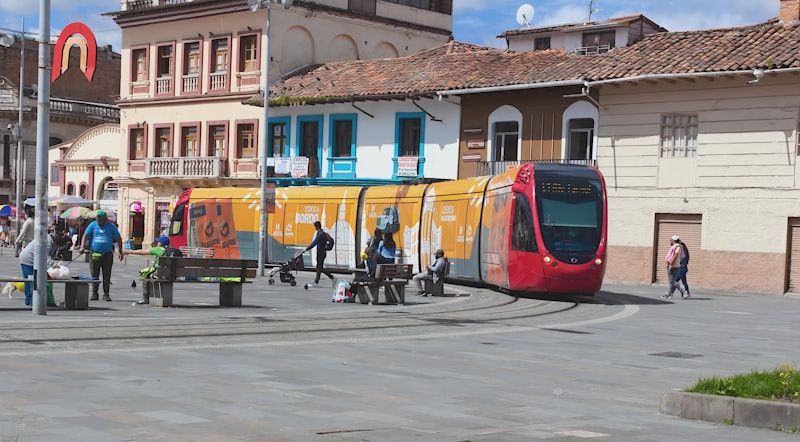
Recovery is more pleasant in a safe, walkable city with moderate temperatures and plenty of low-impact activities. Cuenca sits at about 2,550 meters (roughly 8,400 feet) altitude and enjoys a year-round springlike climate—ideal for gentle walks during the healing period. The city’s compact historic center, scenic riverwalks along the Tomebamba River, and leafy Parque Calderón make it easy to relax without strenuous exertion.
Activities Suited for Recovery
- Leisurely strolls across the colonial bridges and historic center.
- Visiting artisan markets and nearby towns like Chordeleg (jewelry) and Gualaceo (textiles) for light shopping and sightseeing.
- Day trips to Cajas National Park for short guided walks or birdwatching at accessible trails.
- Spa treatments, gentle yoga classes, and dining on fresh local produce—great ways to support healing.
How to Choose the Right Clinic in Cuenca
Not all clinics are identical, so do a little homework before booking. Look for transparent pricing, documented before/after galleries, patient testimonials from international clients, and clear communication about timelines and warranty policies.
Practical Vetting Checklist
- Ask for the dentist’s credentials, postgraduate training, and implant certifications.
- Confirm the clinic uses CBCT (3D imaging) and digital treatment planning for precision implant placement.
- Request details about implant brands and the dental lab that fabricates crowns or veneers—ask for brand names or materials used.
- Seek clinics that offer English-speaking staff, concierge services, and remote follow-up options for when you return home.
- Request a written estimate that includes all components: surgery, implants, abutments, lab fees, and follow-up visits.
Travel Logistics and Practical Tips
Getting to Cuenca is straightforward. Cuenca has Mariscal Lamar Airport with domestic connections; many international patients fly into Quito (UIO) or Guayaquil (GYE) and connect on a domestic flight or opt for a scenic, comfortable bus ride. Plan a first trip of 7–14 days for crowns/veneers or simple implants; for more complex implant cases, plan staged trips spaced over a few months or arrange follow-up care remotely.
Money-Saving and Safety Tips
- Bring copies of dental records and recent X-rays—this speeds initial assessments.
- Buy travel insurance that covers medical/dental trip interruptions and follow-up complications.
- Book accommodation within walking distance of the historic center for convenience and safety; short-term rentals and boutique hotels are abundant and affordable.
- Schedule less strenuous tourist activities during the first week after major procedures—avoid altitude overexertion and plan relaxation-focused exploration.
Real Value: Cost Comparisons and Packages
While individual quotes vary, the value proposition is consistent: modern treatment plus dramatic savings. Many clinics offer bundle pricing for implant packages (implant + abutment + crown) and multi-tooth solutions. These packages often include diagnostics, surgery, temporary prostheses, and final restorations—making budgeting straightforward.
Concrete Examples
- Single implant package in Cuenca: $700–$1,200 vs. $3,000–$5,000 in U.S./Canada.
- Porcelain crown: $200–$400 in Cuenca vs. $900–$1,500 at home.
- Porcelain veneers per tooth: $200–$500 in Cuenca vs. $800–$2,000 at home.
Remember: even when factoring flights, accommodation, and a few days of vacation, total cost often remains far lower than domestic options—while letting you recuperate in a beautiful, relaxing setting.
Aftercare, Warranties, and Long-Term Follow-Up
Many Cuenca clinics provide warranties on restorations and implant components, and offer remote follow-up via video consults for patients who return home. Make sure to get detailed post-op instructions, prescriptions (common antibiotics and pain management), and a timeline for returning if necessary. Some clinics partner with dentists in North America for follow-up if needed, but most routine check-ups are easily handled remotely or with a local dentist back home.
Common Questions from Dental Tourists
Is treatment in Cuenca safe and up to international standards?
Yes. Leading clinics adhere to strict sterilization protocols, use modern imaging and digital tools, and often employ implant systems and materials from respected international manufacturers. The key is choosing a reputable clinic and verifying credentials.
How many trips will I need?
It depends on the procedure. Crowns and veneers usually require one or two visits. Implants can be placed in one trip with a follow-up for the crown months later, or staged with grafting if necessary. Many patients opt for a short first trip for surgery and a later trip for final restoration, using the in-between time to heal in Cuenca if desired.
Why So Many Expats Choose Cuenca for Dental Care
Beyond the numbers, Cuenca offers intangible benefits that matter during dental treatment: personalized, attentive care; English-speaking staff in many clinics; short wait times; and the ability to blend healthcare with leisure. For expats already living in the city, the convenience is unbeatable—local dentists become long-term care providers who know your history and provide continuity.
Planning Your Dental Vacation: Checklist
- Contact 2–3 clinics for quotes and ask for a virtual consult before booking travel.
- Bring prior dental records and a list of medications/allergies.
- Plan 7–14 days for simple treatments, longer for complex implant cases.
- Book central accommodation for easy access and gentle walking during recovery.
- Pack comfortable clothes, a travel pillow, and a small post-op care kit (soft foods, salt rinses, cold packs).
- Arrange remote follow-up or local dental support once back home if necessary.
Final Thoughts: Exceptional Value and an Unforgettable Recovery
Cuenca blends cost savings with clinical excellence and an enviable recovery setting, making it an exceptional choice for dental implants, crowns, and veneers. Whether you’re an expat who already calls Cuenca home or a traveler seeking affordable, high-quality dental care, this city delivers an unbeatable combination of value, convenience, and a gentle environment for healing. With careful planning, credential checks, and realistic timelines, you can transform your smile while enjoying the cultural richness and natural beauty that make Cuenca a once-in-a-lifetime dental vacation destination.
Ready to explore dental options in Cuenca? Start by collecting quotes, booking a virtual consult, and crafting a recovery-friendly itinerary—your new smile could be just a short, scenic trip away.
Adam Elliot Altholtz serves as the Administrator & Patient Coordinator of the “Smilehealth Ecuador Dental Clinic“, along with his fellow Expats’ beloved ‘Dr. No Pain‘, right here in Cuenca, Ecuador, and for purposes of discussing all your Dental needs and questions, is available virtually 24/7 on all 365 days of the year, including holidays. Adam proudly responds to ALL Expat patients from at least 7:00am to 9:00pm Ecuador time, again every single day of the year (and once more even on holidays), when you write to him by email at info@smilehealthecuador.com and also by inquiry submitted on the Dental Clinic’s fully detailed website of www.smilehealthecuador.com for you to visit any time, by day or night. Plus, you can reach Adam directly by WhatsApp at +593 98 392 9606 -or by his US phone number of 1‐(941)‐227‐0114, and the Dental Clinic’s Ecuador phone number for local Expats residing in Cuenca is 07‐410‐8745. ALWAYS, you will receive your full Dental Service in English (NEVER in Spanish), per you as an Expat either living in or desiring to visit Cuenca by your Dental Vacation, plus also to enjoy all of Ecuador’s wonders that are just waiting for you to come arouse and delight your senses.