
Table of Contents
Why Cuenca Is the World’s Best Choice for Dental Tourism
If you’re planning major dental work—implants, crowns, or veneers—Cuenca, Ecuador deserves a top spot on your shortlist. This charming Andean city blends dramatic cost savings with world-class dental care, short wait times, and a beautiful, restorative environment ideal for recovery. In short: you can get the same or better dentistry you’d expect at home, for 60–70% less, while enjoying one of South America’s most walkable, culturally rich cities.
Major Benefits That Make Cuenca Stand Out
Dental tourism is about more than price. Here’s why Cuenca is, in many ways, the best place on earth for dental implants, crowns, and veneers:
- Massive savings: Expect 60–70% lower fees than the U.S. and Canada without compromising quality.
- Highly trained dentists: Many Cuenca dentists have local and international training, continuing education, and certifications.
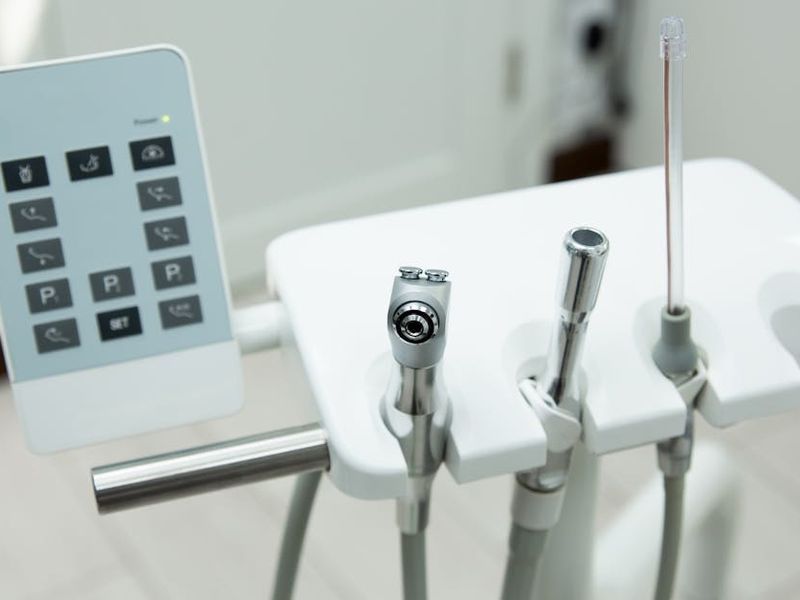
- Modern clinics and tech: Digital X-rays, CBCT (3D imaging), CAD/CAM milling, and on-site labs are common.
- Short wait times: Faster scheduling than many home countries—consults and treatment can often be arranged within days.
- Personalized one-on-one care: Small teams mean you’ll often meet the same clinician at every appointment.
- Healing environment: Cuenca’s mild climate, clean air, and tranquil historic center are perfect for recovery.
- Vacation experience: Combine necessary dental work with UNESCO-listed colonial streets, parks, cafes, and gentle hikes.
Real Cost Comparisons: What You Can Expect to Pay
Price transparency is one of Cuenca’s biggest draws. To give you a realistic comparison:
- Dental implant (surgical placement + abutment): In the U.S./Canada, $3,000–$6,000 per implant is common. In Cuenca, many reputable clinics price implants in the $800–$2,000 range depending on the implant system and bone grafting needs.
- Porcelain crown: North American prices typically run $800–$1,800 per crown; in Cuenca a quality crown often costs $200–$500.
- Porcelain veneers: In the U.S./Canada veneers can cost $900–$2,500 each; in Cuenca you’ll frequently find exceptional veneers for $200–$700 each.
These examples reflect typical published ranges. Even with travel and lodging, most patients save thousands of dollars—sometimes enough to cover a companion’s trip.
Quality of Care: Trained Clinicians and Modern Technology
Cuenca’s best clinics use modern diagnostic tools and laboratory workflows found in leading global practices. Expect to find:
- Intraoral scanners and CAD/CAM workflow for faster, highly accurate crowns and veneers.
- CBCT 3D imaging for precise implant planning and nerve mapping.
- On-site or local dental laboratories that shorten turnaround times.
- Sedation options—nitrous oxide, oral sedatives, and in some clinics IV sedation—for comfortable experiences.
Many dentists in Cuenca augment local training with postgraduate courses abroad and continuing education, and they routinely work with international implant systems and premium ceramic materials.
Short Wait Times and Personalized Care
Unlike large clinics in big cities back home, many Cuenca practices are boutique-style. That means fewer patients per clinician, shorter scheduling delays, and more time with your dentist. You’ll often have the same clinician from consultation through follow-up—this continuity is especially valuable for complex implant and cosmetic work.
How a Typical Dental Vacation in Cuenca Works: Timelines & Itineraries
Understanding the stages helps you plan travel and downtime. Here are common approaches depending on the procedure:
For Crowns and Veneers (1 visit to 2 visits)
- Day 1: Consultation, digital impressions, shade selection, and preparation.
- Same week: Temporary crowns or veneers placed. Final restorations milled in days if clinic has CAD/CAM, otherwise sent to lab (3–7 days).
- Return visit: Final cementation and adjustments.
For Implants (1–3 visits over 3–6 months, with travel flexibility)
- Visit 1 (2–4 days): Consultation, CBCT imaging, planning, implant placement.
- Healing: 2–4 months for osseointegration—many patients stay locally for the first week then return home, with remote monitoring and follow-up photos.
- Visit 2 (2–4 days): Abutment placement and impressions for the crown, or immediate loading if clinically indicated.
- Visit 3: Final crown placement if needed; some clinics complete this in two visits depending on workflow and bone quality.
Advanced clinics offer immediate implant loading and same-day provisional crowns for suitable cases, further shortening travel needs.
Recovery in Cuenca: Why the City Helps You Heal
Cuenca’s temperate climate (springlike most of the year), clean city center, and abundance of parks make it an ideal recovery spot. Here’s what helps:
- Walkable historic center with gentle, flat streets around Parque Calderón—perfect for short, stress-free outings.
- Low-key cultural activities: museums, cafes, and artisan markets that won’t strain you during recovery.
- Nearby scenic viewpoints and riverside promenades for fresh air and light movement—beneficial for circulation and mood.
Note: Cuenca sits at about 2,560 meters (roughly 8,400 feet) altitude. Most visitors acclimate quickly, but staying hydrated and moving slowly the first 24–48 hours helps. Your dental clinic will advise if altitude impacts your sedation plan.
Practical Tips Before You Book: How to Choose a Clinic and Plan Your Trip
Do your homework—these steps protect your investment and ensure a smooth dental vacation:
- Request a detailed treatment plan: Ask for X-rays, CBCT images, a written plan, and an itemized quote including materials, lab fees, and follow-ups.
- Verify credentials: Confirm the dentist’s license, continuing education, and any international training. Ask about implant systems they use and their experience with those systems.
- See before/after photos and patient testimonials: Many clinics maintain galleries and can provide references from international patients.
- Confirm sterilization and safety protocols: Ask about instrument sterilization, infection control, and anesthesia standards.
- Ask about warranties and follow-up: What warranties exist for implants and crowns? How do they handle complications for foreign patients?
- Plan travel logistics: Fly directly to Mariscal Lamar International Airport (CUE) when possible; otherwise fly into Quito or Guayaquil and take a short domestic flight or scenic bus ride to Cuenca.
- Bring your dental records: Send digital X-rays, summary of past dental work, and medical history ahead of time for better planning.
Safety, Insurance and Follow-Up Care
Many clinics in Cuenca follow international infection-control standards and use reliable anesthetic protocols. While travel insurance can help with medical emergencies, most travel policies exclude elective dental work—check your policy carefully. Some clinics provide limited warranties or follow-up care and will coordinate with your dentist at home for long-term maintenance.
Where to Stay and What to Do Between Appointments
Cuenca is compact and welcoming. Popular neighborhoods for dental tourists include the historic center (close to most clinics and pharmacies) and quieter residential areas a short taxi away. Look for accommodation with easy access to your clinic and modest kitchens for comfort food during recovery.
Gentle activities that pair perfectly with dental vacations:
- Stroll the UNESCO-listed historic center and Plaza Calderón.
- Visit local museums, artisan markets, and cozy coffee shops—quiet and restorative.
- Take a short scenic drive to local viewpoints and tranquil riverside paths.
- Enjoy mild, low-impact cultural tours: ceramic workshops, chocolate tastings, or botanical gardens.
Common Patient Questions Answered
Will language be a barrier?
Many clinics have English-speaking staff or translators, especially those serving international patients. A clinic that communicates clearly in your language is a major plus when planning cross-border dental care.
Are implant materials reliable?
Top Cuenca practices use widely respected implant brands and high-quality ceramics for crowns and veneers. Ask which systems they offer and why—reputable clinics use materials backed by clinical research and offer implant brand options to match your budget and long-term expectations.
How long should I plan to stay?
For crowns and veneers, plan a week to 10 days to allow for consultation, preparation, and final placement. For implants, many patients do two shorter trips (surgery and restoration) or one longer trip if bone grafting or complex work is needed. Clinics often help coordinate remote healing check-ins.
Patient Stories: Value and Peace of Mind
International patients frequently report not just financial savings but unexpected emotional benefits: more attentive care, slower pace, and a healthier environment for healing. Many describe their trip as a restorative vacation that transformed a daunting dental project into a positive life experience—new smile and new memories.
Final Checklist: Before You Book Your Dental Vacation to Cuenca
- Obtain a clear, itemized treatment plan and schedule.
- Verify dentist credentials and technology used.
- Confirm sedation and medical contraindications related to altitude.
- Plan lodging near your clinic and a restful environment for recovery.
- Arrange travel insurance and check warranty/follow-up terms.
- Pack necessary meds, a copy of your records, and comfortable clothing for recovery.
Conclusion: Exceptional Care Meets a World-Class Recovery Destination
When you balance cost, quality, convenience, and the ability to recover in a serene, culturally rich environment, Cuenca stands out as the world’s best dental tourism destination for implants, crowns, and veneers. Here you’ll find highly trained clinicians, modern clinics, and significant savings combined with the chance to turn necessary dental treatment into an unforgettable, rejuvenating trip. If you’re looking to rebuild your smile without breaking the bank—or to turn dental work into a restorative vacation—Cuenca is hard to beat.
Start by requesting preliminary consultations from a few vetted clinics, plan your travel around the procedural timeline, and prepare to return home with both a beautiful smile and a memorable experience in one of South America’s most beloved cities.