
Table of Contents
Introduction: Dental Tourism and the Cuenca Advantage
If you are considering major dental work like implants, crowns, or veneers, Cuenca, Ecuador, should be at the top of your list. This charming Andean city blends world-class dental care with dramatic cost savings, modern clinics, and an unbeatable recovery environment. In this guide you will learn why Cuenca is widely regarded as one of the best places in the world for dental tourism and how to plan a successful dental vacation from start to finish.
Why Cuenca Tops the List for Dental Vacations
There are many dental tourism destinations, but Cuenca stands out for a cluster of reasons that matter most when you are investing in major dental procedures. First, cost savings are dramatic. Expect roughly 60 to 70 percent savings on implants, crowns, and veneers compared to prices in the US and Canada. Second, dentists in Cuenca are highly trained, often educated at top universities in Ecuador and abroad, and many complete advanced courses in implantology, prosthodontics, and cosmetic dentistry. Third, clinics here have rapidly adopted modern technology including 3D CBCT imaging, CAD/CAM milling, and digital impressions so the quality and precision rival what you would find in expensive specialty centers at home.
Cost Comparison: Real Value for Major Dental Work
Cost is the single largest motivator for most dental tourists. To give context, a single dental implant in the US or Canada can cost between three and six thousand dollars or more. In Cuenca those same procedures typically cost a fraction of that price, often in the range that allows patients to save 60 to 70 percent overall. Crowns and veneers are also far less expensive without sacrificing materials or craftsmanship. The result is significant savings on full mouth rehabilitations or multi-implant cases, making transformative dental work financially feasible for many people.
Modern Clinics and Cutting-Edge Technology
Cuenca clinics are not what some travelers expect from medical tourism stereotypes. Many facilities feature contemporary sterilization standards, digital workflows, in-house labs with CAD/CAM milling, and 3D cone beam CT scanners for precise treatment planning. Some dentists in Cuenca also use internationally recognized implant systems and can supply documentation on parts and warranties. These technologies reduce chair time, improve accuracy, and in many cases allow same-day crowns and more predictable implant placements.
Short Wait Times and Personalized One-on-One Care
A major advantage for travelers is speed. Wait times for consultations and procedures in Cuenca are often weeks rather than the months you might face at home. This makes Cuenca ideal for people who want to combine efficient care with a vacation. Clinics typically emphasize personalized service, with many dentists providing direct one-on-one attention rather than delegating all stages to assistants. This level of continuity improves communication, enhances safety, and increases patient confidence during every step of treatment.
The Healing Environment: Recover in Beauty
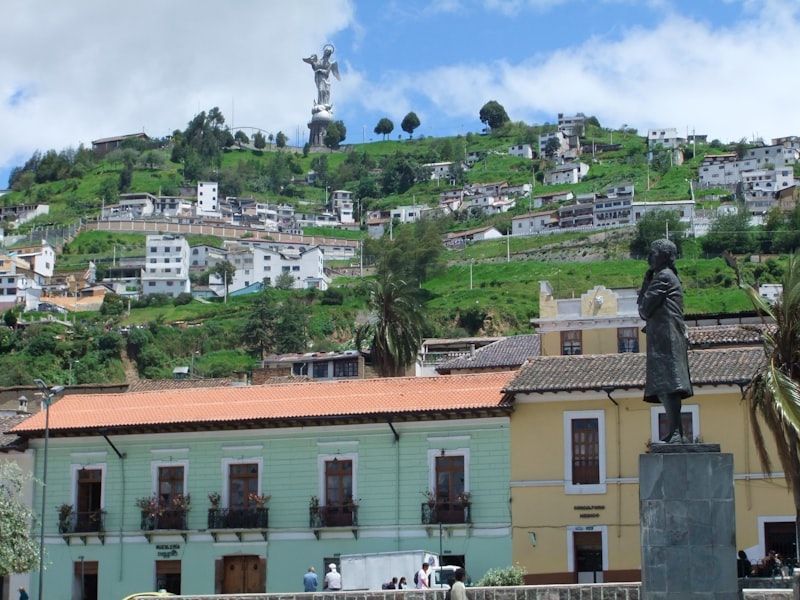
After major dental procedures you will want a calm, clean place to recover, and Cuenca delivers. Known for its well-preserved colonial center, mild climate year-round, leafy parks, and riverside promenades, Cuenca creates a restful backdrop for healing. The city sits at about 2,560 meters above sea level, offering refreshing mountain air and spring-like temperatures that many find perfect for a convalescent stay. Easy walks along the Rio Tomebamba, quiet cafes, and short day trips to Cajas National Park or artisan towns offer gentle activities that support recovery without overexertion.
How to Plan Your Dental Vacation to Cuenca: A Practical Timeline
Planning is key to a successful dental vacation. Here is a practical framework based on common restorative and implant workflows.
- Step 1 Pre-trip consultation: Request digital photos, x-rays, and a treatment plan from a prospective Cuenca dentist. Many clinics offer virtual consultations by video or email.
- Step 2 Travel and initial visit: Fly into Mariscal La Mar International Airport in Cuenca. Your first visit will usually include a comprehensive exam, CBCT scans, and impressions. For complex cases the dentist will finalize the plan and schedule the clinical phases.
- Step 3 Surgical phase: Implants or extractions are performed. Depending on the case, you may be asked to stay in Cuenca for a few days to a week for monitoring and early healing.
- Step 4 Prosthetic phase: After osseointegration (typically a few months for traditional implants, though some clinics offer immediate-load options), crowns, bridges, or veneers are fabricated and placed. Some single-unit crowns or temporary restorations can be done faster using CAD/CAM.
- Step 5 Follow-up and return: Most clinics provide follow-up protocols. For complex full-mouth works, plan for periodic visits or coordinate with your home dentist for long-term maintenance.
Suggested Itineraries for Common Procedures
Different procedures require different trip lengths. Here are examples to help you plan.
- Single crown or veneer: 4 to 7 days. Initial prep and temporary crown, then final placement before return.
- Single implant: 7 to 10 days for placement and initial follow-up. Final crown visit scheduled 3 to 4 months later; many patients return or have their home dentist complete the crown.
- All-on-4 or full arch rehabilitation: 10 to 14 days for surgical placement and provisional prosthesis. Final prosthesis may require a later visit or closely coordinated work with a lab.
Language, Communication, and Patient Comfort
Many dentists in Cuenca speak English and have experience treating international patients. Clinics often provide translation services, detailed written treatment plans, and digital before-and-after photos. Prior to travel, request a written estimate that includes implant brands, materials, lab fees, and follow-up visits. Also ask about sedation options and post-op protocols so you can plan your recovery days in the city accordingly.
Choosing a Clinic: Questions to Ask
To make a confident choice, request the following from any prospective clinic:
- Photographic case portfolio and patient references
- Details on implant systems and material brands
- Information on 3D imaging and lab capabilities
- Credentials and advanced training of the treating dentists
- Sterilization and safety protocols
- Clear written cost breakdown and warranty/guarantee policies
Travel Logistics and Practical Advice
Traveling for dental work requires a few practical considerations to ensure comfort and safety. Here are tips specific to Cuenca:
- Airport and flights: Fly into Mariscal La Mar Airport in Cuenca (CUE) or into Quito and connect by a short domestic flight. Direct international flights to Cuenca are limited, so many travelers fly via Quito or Guayaquil then take a domestic connection or comfortable bus ride.
- Altitude: At roughly 2,560 meters, Cuenca sits high in the Andes. Most people tolerate it well but stay hydrated, avoid heavy exertion in the first 24 to 48 hours after surgery, and discuss any cardiac or respiratory issues with your dentist and physician before travel.
- Accommodation: Choose a quiet boutique hotel or a long-stay apartment near El Centro or the Parque Calderon for convenience to clinics and calm surroundings for recovery.
- Air travel after procedures: For minor work you can often fly after 24 to 48 hours, but for surgeries like sinus lifts or large grafts check with your surgeon. Many clinics recommend waiting 3 to 7 days or longer depending on the complexity of the surgery and risk of pressure changes.
- Medications and prescriptions: Ask your dentist to provide a written list of prescribed medications and local pharmacy recommendations. Many medications are available in Cuenca but bring critical prescriptions with you if possible.
Combining Treatment with a Memorable Vacation
A major benefit of Cuenca dental tourism is the ease with which recovery and relaxation can be combined with sightseeing. Wander UNESCO-protected historic streets, buy handwoven Panama hats, sip coffee in riverside cafes, or take gentle excursions to Cajas National Park for scenic vistas. If you need softer activities during recovery, consider museum visits, mild strolls along the Rio Tomebamba, artisan markets in Gualaceo and Chordeleg, or spa treatments in town to complement your healing.
Aftercare, Local Support, and Long-Term Maintenance
Most Cuenca clinics provide clear aftercare instructions and schedule follow-up visits during your stay. For long-term maintenance, keep a copy of surgical notes, implant brand names, and prosthetic part information to share with your home dentist. Some clinics offer remote follow-up consultations by video which can be helpful. If you become an expat or return visitor to Cuenca, many patients prefer having long-term restorations maintained locally because of the excellent value and quality.
Safety, Accreditation, and Reputation
Cuenca has a growing reputation for safe, high-quality dental care. Look for clinics that are transparent about their infection control protocols, clinical accreditation, and international affiliations. Patient safety is a priority for reputable practices and many have built long-term relationships with international patients through consistent outcomes and excellent communication.
Final Checklist Before You Book
- Obtain a written treatment plan, cost estimate, and timeline
- Confirm implant brands and prosthetic materials
- Ask about digital imaging and lab capabilities
- Verify language support and follow-up care policies
- Plan travel insurance and confirm flight timing around surgery
- Arrange quiet accommodation near the clinic for recovery
Conclusion: Extraordinary Value and Care in Cuenca
For major dental work like implants, crowns, and veneers, Cuenca, Ecuador, offers a rare combination of affordability, quality, and an inviting environment for recovery. With savings of 60 to 70 percent, dentists trained at top institutions, modern clinics using advanced technology, short appointment wait times, and a city that encourages calm recuperation, Cuenca delivers outstanding value for dental tourists. Whether you are scheduling a single implant or a full-mouth restoration, careful planning will let you get exceptional clinical care while enjoying one of South America s most beautiful cities.
Next Steps
Reach out for virtual consultations, compare two or three clinics, and plan a travel window that lets you recover comfortably in Cuenca. With the right team and itinerary, your dental vacation can combine life-changing dentistry with an unforgettable Andean escape.
Adam Elliot Altholtz serves as the Administrator & Patient Coordinator of the “Smilehealth Ecuador Dental Clinic“, along with his fellow Expats’ beloved ‘Dr. No Pain‘, right here in Cuenca, Ecuador, and for purposes of discussing all your Dental needs and questions, is available virtually 24/7 on all 365 days of the year, including holidays. Adam proudly responds to ALL Expat patients from at least 7:00am to 9:00pm Ecuador time, again every single day of the year (and once more even on holidays), when you write to him by email at info@smilehealthecuador.com and also by inquiry submitted on the Dental Clinic’s fully detailed website of www.smilehealthecuador.com for you to visit any time, by day or night. Plus, you can reach Adam directly by WhatsApp at +593 98 392 9606 -or by his US phone number of 1‐(941)‐227‐0114, and the Dental Clinic’s Ecuador phone number for local Expats residing in Cuenca is 07‐410‐8745. ALWAYS, you will receive your full Dental Service in English (NEVER in Spanish), per you as an Expat either living in or desiring to visit Cuenca by your Dental Vacation, plus also to enjoy all of Ecuador’s wonders that are just waiting for you to come arouse and delight your senses.