
Table of Contents
Why Cuenca Should Be on Your Travel List
Cuenca, Ecuador’s southern highland gem, offers a compact historic center, vibrant artisan culture, and easy access to mountain hikes and archaeological sites. Whether you’re an urban explorer, a food lover, or planning a longer expat stay, a little local knowledge goes a long way. This guide covers the practical tips first-time visitors need to feel confident and comfortable during their stay.
Get Oriented: Where to Stay and What Neighborhoods Mean
Choosing the right neighborhood will shape your experience. For first-timers, aim to stay within walking distance of Parque Calderón and the Catedral Nueva (the blue-domed cathedral) — this area puts the main sights, restaurants, and cafés at your doorstep. If you prefer quieter streets and boutique hotels, the San Sebastián neighborhood is charming, full of artisan shops and small plazas. For modern amenities and malls, the area around El Centro Comercial Mall del Río is convenient but less historic.
Accommodation tips
- Book a hotel or Airbnb near Parque Calderón for maximum walkability.
- Look for rooms with heating or a hot water supply—nights can be chilly.
- Longer stays: consider a furnished apartment in quieter residential zones like Yanuncay or Totoracocha.
Altitude and Health: How to Avoid a Wobbly Start
Cuenca sits at roughly 2,560 meters (about 8,400 feet) above sea level. Many visitors feel mild effects such as breathlessness, headaches, or fatigue during the first 24–48 hours. Take it easy the day you arrive: avoid strenuous hiking, drink plenty of fluids, and limit alcohol. Over-the-counter remedies like acetazolamide can help those prone to altitude sickness, but consult your doctor beforehand.
Practical health precautions
- Carry a basic medicine kit—pain relievers, diarrhea meds, and blister supplies are useful.
- Tap water in Cuenca is generally treated and safe for locals; if sensitive, use bottled water for drinking.
- Pharmacies are plentiful and many are open late; keep your passport handy if you need a prescription filled.
Getting There and Getting Around
Cuenca’s regional airport (small, well-connected) sits a short taxi ride from the center. Taxis from the airport typically have set rates; ask your hotel if they offer transfers. Intercity buses link Cuenca to Quito, Guayaquil, and Loja from the Terminal Terrestre, a busy hub on the city’s edge.
Local transportation tips
- Public buses are cheap and extensive; have small bills or coins ready as drivers may not give change.
- Taxis are inexpensive for short trips — agree the price before you go unless the meter is used.
- Ride-hailing apps may operate intermittently; for reliability, use radio taxis called through your hotel.
- Walking is often the best way to explore the historic center; streets are compact but can be uneven—comfortable shoes are a must.
Money, Costs and How to Pay
Ecuador uses the US dollar, which simplifies budgeting for many travelers. Cuenca is considered budget-friendly compared with larger cities; local markets and neighborhood eateries offer tasty meals for a few dollars, while nicer restaurants run moderate prices.
Payment and tipping guidance
- ATMs are widely available; use machines inside bank branches for extra security.
- Credit cards are accepted at many hotels and restaurants, but bring cash for markets, street food, and small vendors.
- Tipping is appreciated but not mandatory — a 10% service charge may already be added at restaurants; if service is good, round up or leave a few dollars.
Food, Markets and What to Try
Cuenca’s culinary scene mixes traditional Andean dishes with inventive modern cuisine. Start with local market meals: hearty soups like locro de papa (potato and cheese soup) or hornado (slow-roasted pork) served at mercados for an authentic experience. Don’t miss panaderías (bakeries) for fresh bread and cheese-filled snacks, and sample locally roasted coffee from Azuay province.
Must-try dishes
- Hornado — flavorful roasted pork often served with mote (hominy) and corn.
- Fanesca — a traditional soup during Easter season; try it if you visit in Holy Week.
- Cuy — roasted guinea pig is a specialty if you’re feeling adventurous and want to taste a local delicacy.
Culture, Customs and Simple Etiquette
Cuenca locals are known for being polite and reserved. A friendly handshake and eye contact work well for first meetings. Among acquaintances, a single cheek kiss (or light kiss on the air) is common. When entering churches or formal events, dress modestly and be respectful of ceremonies. Bargaining is acceptable at markets—be polite and aim for a fair price rather than aggressive haggling.
Practical Safety Tips
Cuenca is often described as one of Ecuador’s safer cities, but standard precautions still apply. Petty theft can happen in tourist areas, so keep valuables secure and avoid flashing expensive jewelry or electronics. Use hotel safes for passports and extra cash. If you need help, dial Ecuador’s 911 emergency number.
Street smarts
- Keep a photocopy of your passport separate from the original.
- When using ATMs, pick machines inside banks and shield your PIN.
- Avoid walking alone late at night in poorly lit areas; take a taxi for late journeys.
Connectivity: Phones, Internet and Working from Cuenca
SIM cards from providers like Claro and Movistar are inexpensive and sold at kiosks and official stores; you’ll need your passport to register. Wi‑Fi is common in hotels, cafés, and coworking spaces; speeds in the historic center are adequate for most remote work, though speeds vary. If you plan to work remotely, look for accommodations or cafés that advertise fast internet and quiet spaces.
Best Time to Visit and Weather Patterns
Cuenca’s climate is pleasantly spring-like year-round, but there are wetter and drier periods. The dry season typically runs from June through September, offering clearer skies for exploring and hiking. Rain showers are common in the afternoons during the wet season (roughly October through May), so pack a compact rain jacket or umbrella and plan outdoor activities for the morning.
Top Sights and Day Trips
If you have limited time, focus on the city center: walk along the Tomebamba River, visit the Cathedral with its iconic blue domes, and explore Museo Pumapungo for insight into local history and indigenous cultures. Climb to the Mirador de Turi for panoramic city views, especially at sunset.
Day-trip ideas
- El Cajas National Park — about an hour’s drive; offers highland lakes, scenic hikes, and birdwatching.
- Ingapirca ruins — the largest known Inca site in Ecuador, reachable via a scenic drive eastward.
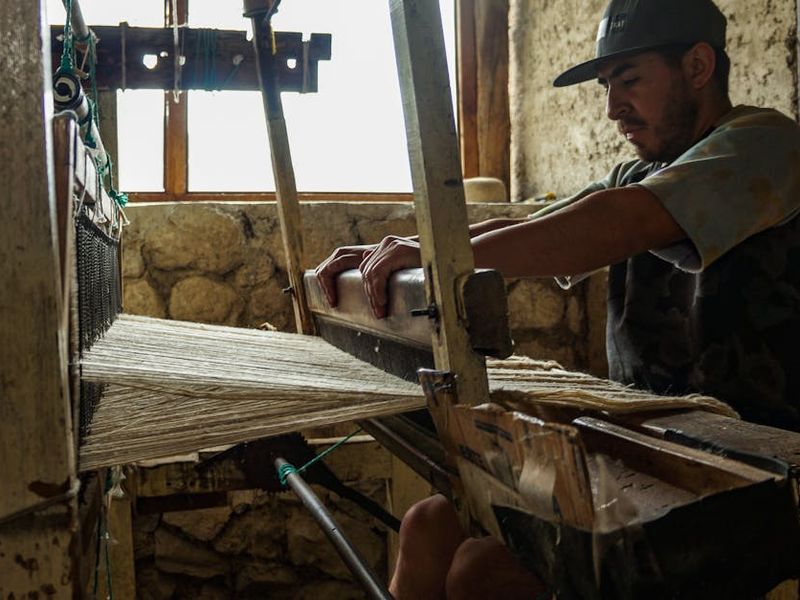
- Chordeleg and Gualaceo — nearby towns famous for silver jewelry and woven goods; great for craft shopping and seeing artisan workshops.
Photography and Responsible Travel
Cuenca’s colonial architecture and markets are highly photogenic. Always ask permission before photographing people, especially in markets and during religious events. Support local artisans by buying directly from makers rather than through middlemen, and try to choose eco-friendly tour operators for nature excursions.
Packing Checklist for Cuenca
- Layered clothing: light shirts for daytime, a warm sweater and jacket for evenings.
- Comfortable walking shoes with good grip for cobblestone streets.
- Sunscreen and sunglasses—sun at altitude is stronger than you might expect.
- Portable umbrella or rain jacket for sudden showers.
- Universal plug adapter—Ecuador uses 120V and common North American-style plugs.
- Copy of passport, emergency contact info, and travel insurance details.
Sample Itineraries for 48 Hours and 5 Days
48 hours: Start with a walking tour around Parque Calderón and the cathedral, enjoy lunch at a mercado, visit Museo Pumapungo, stroll along the Tomebamba River, and finish at Mirador de Turi for sunset. Add an evening at a lively restaurant in the historic center.
5 days: Use two days to explore the city’s museums, markets, and artisan neighborhoods. Reserve one day for Cajas National Park and another for Ingapirca and surrounding artisan towns. Use your final day to relax, shop, and revisit favorite cafés.
Final Thoughts: Embrace the Pace and Curiosity
Cuenca rewards travelers who slow down and pay attention to small cultural details—chat with a vendor, linger over coffee, or take a spontaneous side street. With its manageable size, friendly residents, and rich tapestry of food, art, and nature, Cuenca is an ideal introduction to Ecuador’s highlands. Use these tips to plan smarter, stay safe, and enjoy the city like a curious traveler rather than a checklist visitor.
Buen viaje—enjoy discovering Cuenca at your own pace.