
Table of Contents
Introduction: Dental Tourism Meets Old-World Charm
Dental tourism is more than a cheap procedure—it’s a smart, value-driven decision. For many travelers searching for high-quality, affordable dental work, Cuenca, Ecuador stands out as a top choice. With dramatic cost savings, well-trained clinicians, modern clinics, and a recovery environment that feels like vacation, Cuenca combines excellent dentistry with unbeatable value.
Why Cuenca Is Perfect for a Dental Vacation
Cuenca’s colonial heart, crisp mountain air and walkable historic center make it an ideal spot to recover after dental procedures. The city balances medical professionalism with a relaxed lifestyle—exactly what you want after implants, crowns, or veneers. Instead of a sterile hospital corridor, your recovery can include strolls along the Tomebamba River, coffee on a sunny plaza, and restful nights in comfortable boutique hotels.
Big Savings without Big Compromises
One of the strongest reasons patients choose Cuenca is cost. Most visitors save 60–70% compared with U.S. and Canadian prices. That kind of reduction turns otherwise unaffordable smile transformations into accessible, life-changing treatments. For example, comprehensive implant work, multi-unit restorations, or full-arch cases can be completed for a fraction of the North American cost—without lowering clinical standards.
World-Class Training and International Standards
Many dentists in Cuenca are graduates of Ecuador’s premier dental schools and have completed postgraduate education and implantology training abroad. Clinics often host specialists who pursue continuous education in Europe, the United States, and Colombia, bringing global best practices back to Cuenca. It’s common to find clinicians certified in implant systems and trained in techniques such as guided implant surgery and digital prosthodontics.
State-of-the-Art Clinics and Technology
Don’t picture a small, outdated office. Cuenca’s dental clinics frequently match or exceed technology found in larger international centers. Expect to see:
- CBCT 3D imaging for precise planning
- Intraoral optical scanners for digital impressions
- Guided implant surgery and CAD/CAM prosthetics
- Zirconia and monolithic crown fabrication
- IV sedation and modern anesthetic protocols
These advances allow for predictable outcomes, faster turnaround, and less chair time—advantages that matter when you travel for dental care.
Short Wait Times and Efficient Scheduling
In contrast to long waiting lists at many clinics abroad, Cuenca dental offices are known for flexible scheduling and fast turnaround. Many clinics can book initial consultations, imaging, and surgical appointments within days of inquiry. For travelers, that means you can often plan a single trip of a week to ten days for preliminary implant placement and temporary restorations, with a return visit for final crowns if needed—or choose same-visit solutions like immediate-load implants when clinically appropriate.
Personalized, One-on-One Patient Care
Dental visits in Cuenca tend to be highly personalized. Clinics emphasize direct patient-dentist communication, preoperative planning sessions, and detailed aftercare instructions. Smaller patient loads and attentive staff mean you’re less likely to be handed off between technicians; instead, the same clinician often guides the entire process from diagnosis to follow-up. English-speaking staff are common, and many clinics use telehealth and WhatsApp to maintain communication before and after travel.
The Recovery Advantage: A City Built for Rest
Recovery matters as much as the procedure itself. Cuenca’s mild, spring-like climate (average temperatures often between 50–70°F / 10–21°C) and clean mountain air are ideal for healing. The city’s slow pace minimizes stress, and nearby attractions are calming rather than strenuous. Here are a few recovery-friendly activities:
- Gentle walks in Parque Calderón and along the Tomebamba River
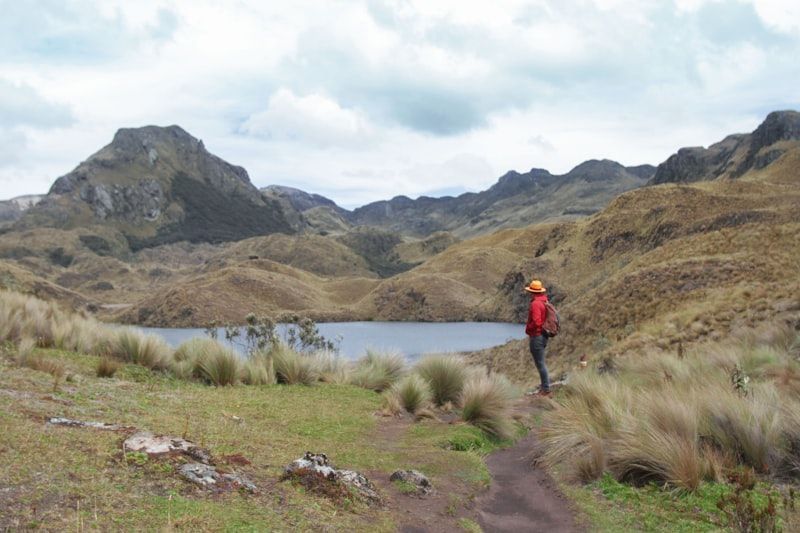
- Easy day trips to Cajas National Park for scenic, low-impact outings
- Cafés and quiet plazas for reading and soft conversation
- Traditional markets and artisan shops for light browsing
These options make recovering from implants, extractions, or gum procedures comfortable and pleasant.
How a Typical Dental Vacation in Cuenca Works
A well-planned itinerary reduces stress and optimizes results. Below is a common timeline many international patients follow:
- Pre-trip: Send dental history and photos to your Cuenca clinic for a preliminary plan and cost estimate. Schedule flights and hotel and arrange a ground transfer.
- Day 1: Arrive, rest, and acclimate to the altitude (Cuenca sits around 2,560 meters / 8,400 feet). Hydrate and avoid heavy physical activity the first day.
- Day 2–3: In-office diagnostics: CBCT scan, intraoral scans, and a detailed consultation. Finalize the treatment plan.
- Day 4–7: Surgical phase—implant placement, extractions, or preparatory work. Depending on the plan, temporary crowns/bridgework may be placed.
- Week 2 to 3: Follow-up visits to check healing and fit, with instructions for at-home care. Some patients return home during the healing period and come back for final restorations if necessary.
- Final visit (4–12+ weeks later): Placement of permanent crowns, veneers, or prostheses once osseointegration is complete.
Many clinics offer custom packages that coordinate every step—transportation, lodging, and appointments—so patients can focus on healing and enjoying Cuenca.
Practical Tips for Planning Your Dental Trip
Careful planning increases comfort and lowers the chances of surprises. Consider these practical tips:
- Bring a copy of recent dental X-rays and records. If you can’t, many clinics can acquire CBCT and X-rays upon arrival.
- Stay at least 7–10 days when planning implant surgery to allow for immediate post-op care and short-term follow-ups.
- Ask the clinic what implant systems and materials they use. Reputable brands like Straumann and Nobel Biocare are commonly available, and clinics will discuss material options (zirconia, porcelain-fused-to-metal, etc.).
- Confirm sedation and anesthesia options and ask about medical clearances if you have chronic conditions.
- Arrange follow-up communications—many clinics provide remote check-ins and clear emergency contacts.
- Check warranty and guarantee policies. Many clinics offer written warranties on prosthetics and implant work when proper aftercare is observed.
Safety, Accreditation and Patient Rights
Patient safety is a top priority in reputable Cuenca clinics. Look for practices that follow international sterilization standards, use FDA- or CE-approved materials, and maintain modern sterilization and instrument-tracking protocols. Before committing, ask for before-and-after photos, references, and professional affiliations. Many clinics hold memberships in local and international dental associations and participate in continuing education programs.
Combining Dental Care with Cultural Experiences
One of the biggest advantages of dental tourism in Cuenca is that your trip can be restorative in more than one way. Imagine finishing a day’s appointment and walking to a nearby plaza for a soft, late-afternoon stroll, or sampling Ecuadorian cuisine that’s both comforting and affordable. Cultural highlights to enjoy during recovery include:
- Historic Old Town and its UNESCO architecture
- Museo del Banco Central and Pumapungo archaeological park
- Handmade markets where artisans produce Panama-style hats and jewelry
- Scenic drives to local waterfalls and quieter highland hamlets
These gentle activities provide low-stress distractions while giving you the space to heal.
Real Value: Investment in Health and Confidence
Dental tourism in Cuenca is not just about up-front savings—it’s about maximizing value. With lower procedural costs you can often afford higher-quality materials or more comprehensive rehabilitation: replacing multiple failing teeth, upgrading to zirconia prosthetics, or investing in full-mouth rehabilitation becomes feasible without sacrificing standard of care. For many patients, the result is not only a better smile but improved oral function and renewed confidence.
Aftercare, Communication and Long-Term Maintenance
Successful outcomes depend on aftercare. Cuenca clinics typically provide detailed postoperative instructions and maintain accessible communication channels for international patients. Many will coordinate with your home dentist for routine maintenance once you return. Consider scheduling at-home follow-ups at 3, 6, and 12 months, and keep all clinic-provided documentation to support any warranty claims.
Questions to Ask Your Clinic
Prepare a checklist to ensure transparency and peace of mind:
- What is the full cost breakdown (consultation, imaging, implants, abutments, crowns, lab fees)?
- Which implant brands and materials will be used?
- Can you see full treatment plans, timelines, and before/after photos of similar cases?
- Who will perform the surgery? Ask about their training and experience in implantology.
- What is included in post-op care, and how do follow-ups work for international patients?
- Is there a written guarantee or warranty on prosthetics and implants?
Final Thoughts: Cuenca as the Smart Choice for Dental Tourism
Choosing Cuenca for implants, crowns, or veneers means pairing excellent dentistry with an exceptional recovery environment. Dramatic savings—typically 60–70%—make high-quality materials and comprehensive treatments accessible. Clinics combine modern technology, internationally trained dentists, and personalized care in a safe, welcoming city. With short wait times, reliable aftercare, and the opportunity to recover in a tranquil, culturally rich setting, Cuenca offers a dental tourism experience that’s practical, patient-focused, and value-driven.
If you’re considering a dental vacation, Cuenca should be at the top of your list. With careful planning and an experienced clinic, you can return home with a healthier mouth, a renewed smile, and memories of a beautiful Ecuadorian city that made the journey as pleasant as the result.
Adam Elliot Altholtz serves as the Administrator & Patient Coordinator of the “Smilehealth Ecuador Dental Clinic“, along with his fellow Expats’ beloved ‘Dr. No Pain‘, right here in Cuenca, Ecuador, and for purposes of discussing all your Dental needs and questions, is available virtually 24/7 on all 365 days of the year, including holidays. Adam proudly responds to ALL Expat patients from at least 7:00am to 9:00pm Ecuador time, again every single day of the year (and once more even on holidays), when you write to him by email at info@smilehealthecuador.com and also by inquiry submitted on the Dental Clinic’s fully detailed website of www.smilehealthecuador.com for you to visit any time, by day or night. Plus, you can reach Adam directly by WhatsApp at +593 98 392 9606 -or by his US phone number of 1‐(941)‐227‐0114, and the Dental Clinic’s Ecuador phone number for local Expats residing in Cuenca is 07‐410‐8745. ALWAYS, you will receive your full Dental Service in English (NEVER in Spanish), per you as an Expat either living in or desiring to visit Cuenca by your Dental Vacation, plus also to enjoy all of Ecuador’s wonders that are just waiting for you to come arouse and delight your senses.