
Table of Contents
Introduction: A New Era of Dental Tourism
Dental tourism is no longer about picking the cheapest option—it’s about maximum value: exceptional clinical care, predictable outcomes, and a comfortable recovery in a welcoming place. For many international patients, Cuenca, Ecuador, checks every box. Compared with costs in the United States and Canada, dental procedures in Cuenca often cost 60–70% less while being delivered by highly trained professionals in modern clinics. Add a spring-like climate, colonial streets for recovery strolls, and simple logistics (Ecuador uses the U.S. dollar), and you have the ideal recipe for a dental vacation that’s both effective and enjoyable.
Cost Savings That Make Major Treatments Affordable
One of the biggest drivers of dental travel is cost. Dental implants, full-arch restorations, crowns and veneers can be budget-busting in North America. In Cuenca, patients routinely see savings that range from 60–70% versus U.S./Canadian prices. That can turn a multi-implant plan from an impossible expense into an achievable investment in oral health.
Instead of paying tens of thousands at home, many patients are able to complete implants and permanent crowns for a fraction of that amount, without compromising materials or technology. The result: people get the dentistry they need and the lifestyle benefits that follow—better chewing, improved health, and a confident smile—without draining savings.
World-Class Clinicians Trained at Top Institutions
Cuenca’s dental community includes clinicians who trained locally at leading Ecuadorian universities and who pursued advanced training abroad in the U.S., Spain, Germany and other countries. Many dentists in Cuenca regularly attend international conferences, earn postgraduate certifications, and keep up with the latest implant and restorative techniques.
That combination of strong foundational training and continued international education produces clinicians who are comfortable with complex implant cases, digital workflows, and esthetic restorations like crowns and porcelain veneers. You’ll find one-on-one attention from experienced doctors who take time to plan a durable, esthetic outcome.
Modern Clinics with Cutting-Edge Technology
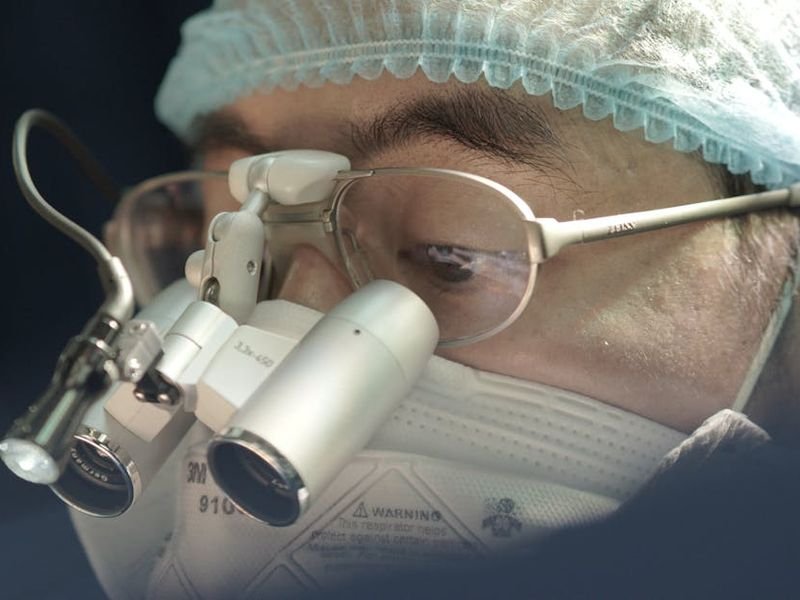
Modernity is standard in Cuenca’s top dental offices. Clinics there use essential technologies that improve diagnosis, precision and patient comfort: 3D cone-beam CT (CBCT) imaging for accurate implant planning, intraoral digital scanners for fast, precise impressions, CAD/CAM milling for same-day crowns, and sterile, modern surgical suites.
Many clinics work with internationally recognized implant systems and high-quality ceramic materials, and some even fabricate restorations on-site with CAD/CAM to speed turnaround. The upshot for patients is predictable outcomes, shorter timelines in some cases, and the ability to coordinate treatment efficiently during a dental vacation.
Short Wait Times and Streamlined Scheduling
One of the frustrations of getting major dental work at home is the wait: long specialist schedules, multi-month waits for lab work, and crowded referral chains. In Cuenca, wait times are often much shorter. You can frequently schedule consultations and surgical slots within days to weeks rather than months, and clinics that use digital workflows can often reduce lab turnaround.
This means you can plan a focused trip: initial scans and consultations, a surgical visit for implant placement, and a second short visit for final restorations—often completed in a sequence that minimizes travel and downtime. For many patients, that streamlined scheduling is a decisive benefit.
Recovery in a Beautiful, Calm Environment
Cuenca’s climate and atmosphere are ideal for recovery. Sitting at about 2,560 meters (roughly 8,400 feet) above sea level, Cuenca enjoys mild, spring-like weather year-round. The colonial old town—with its tree-lined plazas, gentle river walks along the Tomebamba, and quiet cafes—offers low-stress places to rest between appointments.
After implant surgery or several crowns, recovery benefits from peace, good food, and gentle sightseeing. Many patients prefer to stay in neighborhoods like the Centro Histórico or near Parque Calderón, where everything is walkable and pharmacies, clinics and restaurants are close by. Because Ecuador uses the U.S. dollar, paying for post-op meds, groceries or taxis is simple and familiar for many North American visitors.
Combine World-Class Dentistry with a Vacation
Turning dental care into a short vacation is one of Cuenca’s greatest appeals. You can recover while exploring UNESCO-style architecture, visiting artisan markets, or taking a day trip to Cajas National Park for highland lakes and easy trails. The city has a thriving expat scene, English-speaking services, and plenty of comfortable lodging options from boutique hotels to apartments ideal for a restorative stay.
Patients often incorporate light cultural activities—museum visits, rooftop dinners, relaxed river strolls—into their recovery schedule. This balance of restful leisure and clinical appointments makes a dental vacation in Cuenca feel restorative rather than onerous.
Personalized, One-on-One Patient Care
Unlike some high-volume dental factories elsewhere, many clinics in Cuenca emphasize personalized care. Smaller teams mean you’ll often meet your treating doctor for every key step—consultation, imaging review, surgical placement, provisional restorations and final delivery. That continuity improves communication and allows the dentist to tailor treatment precisely to your goals.
Patients value the time clinicians take to explain implant options, restorative materials, and aftercare. For people who’ve felt rushed at home, the attention in Cuenca is a welcome change. Many dentists also provide detailed written treatment plans, digital records and follow-up phone or video visits after you return home.
Quality Assurance and Sterile Standards
High standards of sterilization, infection control, and clinical governance are common in reputable Cuenca clinics. Many practices adhere to international protocols and use disposable, single-use items where appropriate. Before booking, it’s wise to ask clinics about their sterilization procedures, CBCT capabilities, and the implant systems they use—reputable teams are transparent about materials and protocols.
Because Cuenca is a well-established medical and dental hub, there’s a local ecosystem of skilled lab technicians, dental anesthesiologists, and diagnostic imaging centers. That local support network helps ensure consistent quality across the treatment journey.
Why Cuenca Outshines Thailand and Mexico for Many Patients
Thailand and Mexico are known dental tourism destinations, but Cuenca brings a powerful combination that many patients prefer. First, geography and travel: for North Americans, Cuenca is closer and easier to access than Thailand, and travel logistics are often simpler than border-town clinics in Mexico. Ecuador uses U.S. currency and has straightforward visa policies for many visitors, which reduces travel friction.
Second, clinical attention. Cuenca’s clinics tend to offer a more personal experience than some high-volume foreign clinics, which can be important for complex implant cases that require nuanced planning. Third, a lower-stress recovery environment—Cuenca’s colonial center is quieter and less commercialized than many tourism-heavy cities, allowing for calm recuperation.
Finally, cost-versus-quality balance: while Mexico can be competitive on price and Thailand offers excellent care for patients in Asia-Pacific, Cuenca frequently delivers similar or better savings than Mexico while offering clinicians who trained both locally and internationally. For U.S. and Canadian patients seeking a predictable, high-value implant vacation with easy logistics and English-friendly services, Cuenca is an outstanding alternative.
What To Expect: Typical Treatment Timelines and Tips
Understanding timelines helps you plan a trip that’s both relaxing and efficient. A conventional two-stage implant process might look like this: initial consultation and imaging (day 1), implant placement (day 2), a healing period of 3–4 months for osseointegration, then a return visit for final impressions and crown delivery. Some clinics offer immediate-load implants or guided surgeries using digital planning, which can shorten treatment time for suitable candidates.
Practical tips: bring copies of dental x-rays and medical history, ask for CBCT scans if you have complex bone anatomy, and confirm which implant brand and restorative materials your clinic uses. Because Cuenca sits at elevation, allow 24–48 hours to acclimatize if you’re coming from sea level, hydrate well, and avoid strenuous activity immediately after surgery.
Accommodation, Transport and Practical Logistics
Cuenca is compact and easy to navigate. Most clinics are within the Centro Histórico or a short taxi ride away. The local airport, Mariscal La Mar (CUE), connects with national hubs like Quito and Guayaquil, and many international visitors connect through those cities. Buses and private transfers are available for ground travel, and taxi services are affordable.
Neighborhoods to consider: stay near Parque Calderón for walkability and dining options, or near the Tomebamba River for quieter apartment-style lodging. Pharmacies are plentiful and English-friendly; many have experience serving medical tourists. Because Ecuador uses the U.S. dollar, there’s no currency exchange hassle for most North American visitors.
Aftercare and Long-Term Follow-Up
Good clinics provide detailed aftercare instructions and coordinate with your local dentist at home for long-term maintenance. Ask about follow-up video calls, what to do if you experience any complication after you return, and how warranties or guarantees are handled for implants and restorations.
Routine maintenance—regular professional cleanings, night guards for bruxism, and good oral hygiene—will extend the lifespan of implants, crowns and veneers. Many patients schedule periodic maintenance visits to Cuenca if they enjoy the city as a travel destination; others manage long-term care with their local provider while keeping digital records from their Cuenca dentist.
How to Choose the Right Clinic and Dentist
Selecting the right clinic is the most important step. Look for clinics that provide transparent, itemized treatment plans, clear images of previous cases, and patient references. Ask whether the dentist will handle all key surgical and restorative steps personally—and whether they use 3D imaging and CAD/CAM workflows.
Communication matters: clinics that provide prompt, clear responses and offer English-speaking staff will reduce stress. Confirm sterilization standards, which implant systems they use, and whether lab work is local or outsourced. Reputable practices will welcome questions and provide realistic timelines and costs.
Final Thoughts: Value, Quality and an Enjoyable Recovery
If you’re exploring dental implants, crowns or veneers abroad, Cuenca, Ecuador combines tremendous financial value with clinical skills, modern technology and a restorative setting that other destinations struggle to match. The city’s blend of affordable, high-quality care, personable clinics, and pleasing environment creates a dental tourism experience that’s efficient, comfortable and confidence-building.
Whether you need a single implant or a multi-tooth restoration, Cuenca offers a compelling alternative—one that lets you come home with a great smile and memories of a beautiful city where medical excellence and vacation charm meet.
Quick Checklist Before You Book
- Gather dental records and recent x-rays; request CBCT if advised.
- Confirm clinic accreditation, sterilization protocols, and implant brands.
- Ask about timeline: number of visits, immediate-load options, and lab turnaround.
- Plan accommodation near your clinic and allow 1–2 rest days post-surgery.
- Verify English support, aftercare communication and follow-up options.
- Check travel logistics: flights to CUE or connections via Quito/Guayaquil.
With careful planning and the right provider, a dental vacation in Cuenca can deliver top-tier oral rehabilitation at a fraction of North American prices—plus the bonus of peaceful recovery in one of Ecuador’s most charming cities.