
Table of Contents
Why your choice of accommodation matters in Cuenca
Cuenca is one of Ecuador’s most walkable and culturally rich cities: cobblestone streets, riverside promenades, colonial plazas and nearby highland parks. Choosing the right place to stay affects how you experience the city—whether you want cathedral views and easy access to museums, a quiet neighborhood for longer stays, or cheap, social hostels for meeting other travelers. In this guide you’ll find practical recommendations for every budget, local tips for each neighborhood, and smart booking advice to get the best value.
Cuenca neighborhoods at a glance
Before picking a specific property, it helps to know Cuenca’s most popular zones:
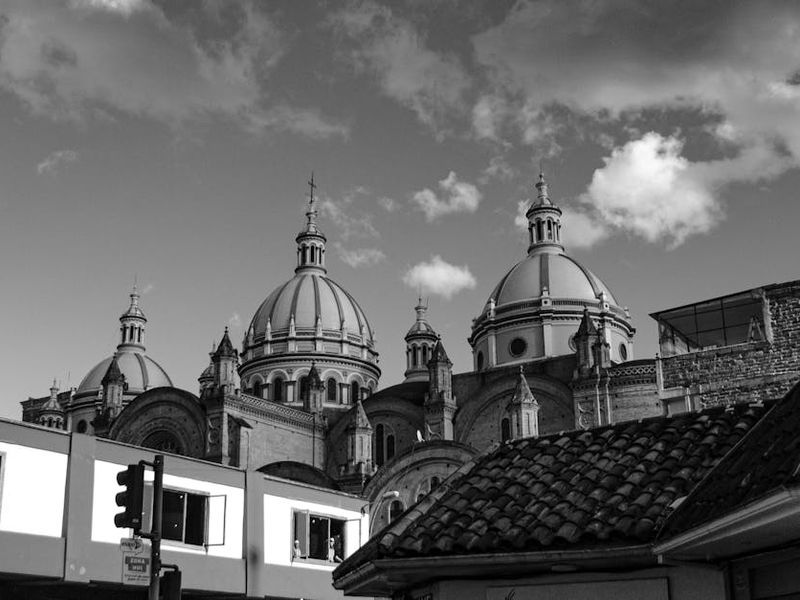
- Historic Center / Parque Calderón: Heart of the city and where most visitors want to be. Close to the new cathedral, museums, restaurants and nightlife.
- Río Tomebamba & Riverside: Scenic walks, charming bridges and many boutique hotels and guesthouses.
- Turi: On the hill above the city—famous viewpoint (Mirador de Turi) and quieter, with family-owned inns.
- Near Pumapungo / Mercado 10 de Agosto: South of the main plaza with excellent access to local markets and the Pumapungo museum and ruins.
- Yanuncay & Residential Areas: More modern and quiet neighborhoods that are good for long stays and families.
Luxury and splurge picks (from about $120+/night)
Why choose luxury? If you want full service, a gym and spa, or a polished base for business or special occasions, Cuenca has refined options. One well-known, reliable choice is the Oro Verde hotel—an international-standard property with river views, conference rooms and upscale amenities. Luxury properties often include on-site restaurants, room service and concierge help booking day trips to Cajas National Park or local markets.
What to look for in luxury hotels:
- River or plaza views and a location that puts you within a 10–15 minute walk of Parque Calderón
- On-site dining with Ecuadorian specialties and international menus
- Facilities such as a fitness center, small spa or business center for convenience
- Airport transfer options or easy taxi access
Comfortable mid-range options (about $40–$120/night)
Mid-range hotels and boutique guesthouses are the sweet spot for many visitors: comfortable rooms, included breakfast, and characterful interiors—often in renovated colonial buildings with inner courtyards. These properties are great for couples and small families who want charm without splurging. Look for hotels marketed as “boutique” or “guesthouse” in the Historic Center and along the Tomebamba river, where many mid-range properties cluster.
Features to expect:
- Daily breakfast (often included in the rate)
- Rooftop terraces or small patios with city or cathedral views
- Helpful staff who can arrange walking tours, laundry and local recommendations
Budget hotels and guesthouses (about $20–$45/night)
If you’re watching costs but want a private room, look for small family-run hotels and pensions. These can be surprisingly comfortable: private bathrooms, hot water and breakfast included in many cases. Expect simpler decor, smaller rooms and locations that might be a short walk from the center rather than right on the main plaza.
Tips for budget stays:
- Opt for a room with a window and ask which direction it faces—courtyards are quieter than street-side rooms.
- Confirm that hot water is available 24/7, particularly during highland nights when it’s chilly.
- Ask about breakfast times if you’re taking early tours to Cajas National Park.
Hostels and social stays (dorms and private rooms, $8–$30/night)
Backpackers and solo travelers will find a lively hostel scene. Hostels typically offer dorm beds, private rooms, a shared kitchen and free walking tours or social events—great for meeting other travelers and exchanging tips for day trips. Many hostels are clustered near the center and riverside, making it easy to join evening activities and cathedral light shows.
What to expect at top hostels:
- Free or low-cost city walking tours and pub crawls
- Secure lockers, luggage storage and basic laundromat services
- Common areas for cooking and socializing
Family stays and long-term rentals
Traveling with kids or staying several weeks? Consider apartment rentals or family-run guesthouses in Yanuncay or near the riverside. Apartments give you a kitchen and more living space; they also tend to offer better nightly value for extended stays. Many mid-range hotels provide weekly discounts or can negotiate a lower rate for longer bookings—don’t hesitate to ask directly.
Practical considerations for families and long-stay guests:
- Confirm laundry options and whether the apartment has a dryer—air drying is common in Ecuador.
- Look for properties with elevators if you have a lot of luggage or small children.
- Check distance to pharmacies and supermarkets; some neighborhoods outside the center are quieter but less walkable.
Booking strategy—how to get the best room at the best price
Here are practical booking tips that save money and reduce headaches:
- Book early for high season (June–August and around Christmas/New Year). Cuenca fills up during holidays and major events.
- Read recent guest reviews for the most current perspective—look for comments on hot water, Wi‑Fi reliability and noise.
- Contact hotels directly for longer stays; many will match or beat third-party site rates if you book directly.
- Confirm cancellation policies—flexible rates cost more but give needed breathing room if plans change.
Practical arrival tips and local transport
Cuenca’s airport—Mariscal Lamar—is a small domestic airport with regular connections to Quito and Guayaquil. Taxis from the airport to the Historic Center generally take 15–25 minutes depending on traffic; expect to pay roughly in the low double-digit USD range, though prices vary. Many hotels offer airport transfers—ask when you book.
Getting around Cuenca is usually easy on foot if you stay near the center. For farther neighborhoods, taxis are affordable. If you prefer app-based rides, check which services operate in Cuenca before arrival. For day trips (Cajas National Park, Gualaceo/Chordeleg artisan towns), many hotels can arrange tours or point you to reputable local tour operators.
Seasonal considerations and what to pack
Cuenca sits at roughly 2,500–2,600 meters above sea level, so nights can be cool and the sun intense during the day. Layers are essential—light jacket, fleece and a rain shell. Many hotels do not have central heating, so if you’re sensitive to cold, confirm whether your room has heaters or extra blankets.
Packing checklist:
- Warm layers for nights and early mornings
- Comfortable walking shoes for cobblestones and uneven sidewalks
- Sun protection: hat, sunglasses and sunscreen
- Small daypack for hikes to Cajas or excursions to nearby artisan towns
Safety, money and local etiquette
Cuenca is regarded as one of Ecuador’s safest cities for visitors, but usual travel precautions apply: keep valuables out of sight, use hotel safes when available, and take taxis at night rather than walking alone in poorly lit areas. The official currency is the US dollar—carry small bills for taxis and market purchases as change can be limited. Tipping is appreciated in restaurants and by tour guides; a 10% tip is common if service charge isn’t included.
Sample nightly budgets to plan your trip
- Backpacker: $8–$25 — dorm bed or basic private room in a hostel
- Budget traveler: $25–$45 — small hotel or guesthouse with basic amenities
- Mid-range traveler: $45–$120 — boutique hotel, riverfront rooms, breakfast included
- Luxury traveler: $120+ — high-end hotel with spa, dining and full services
Final tips for a smooth stay in Cuenca
Think about what you really want from your stay—location, view, quiet nights, free breakfast or social vibes—and use that to guide your choice. If you plan lots of day trips, a hotel that helps arrange tours can be worth a slightly higher nightly cost. Book early during popular travel windows, read recent reviews carefully, and confirm basic comforts like hot water and Wi‑Fi directly with the property before arrival. With the right base—whether a historic boutique hotel on the riverside or a cheerful hostel near Parque Calderón—Cuenca is the kind of city that rewards slow exploration.
Ready to book? Pick your neighborhood first (Historic Center for convenience, Turi for views, Yanuncay for quiet), decide on the amenities that matter, and then compare a couple of properties by their recent reviews and direct booking prices. Buen viaje—enjoy discovering Cuenca’s colonial charm, vibrant markets and mountain landscapes.