
Table of Contents
Why Ingapirca deserves a spot on your Cuenca itinerary
A trip to Ingapirca feels like stepping into a quiet junction of two ancient worlds. North of Cuenca, in the Cañar province, these stone ruins are Ecuador’s largest and best-preserved Inca site and sit atop a layered history that includes the earlier Cañari culture. For visitors based in Cuenca, Ingapirca is an accessible, revealing peek into pre-Columbian architecture, Andean cosmology and rural life that remains very much alive. Whether you’re an archaeology fan, a photographer, or an expat seeking deeper local experiences, Ingapirca rewards the short journey with dramatic views and a sense of place that distinctively differs from Cuenca’s colonial center.
Quick facts to know before you go
- Location: Ingapirca (Ruinas de Ingapirca), Cañar Province, roughly 60–80 km northwest of Cuenca depending on route.
- Elevation: The site sits over 3,000 meters (about 9,800–10,300 ft) — higher than Cuenca — so altitude can affect energy and weather.
- Time from Cuenca: Plan on 1.5–2.5 hours each way by car or bus; road conditions and stops change travel time.
- What to expect: Stone terraces, the Temple of the Sun (a circular/elliptical Inca structure), colcas (storage rooms), a small museum and walking paths across uneven stonework.
How to get to Ingapirca from Cuenca
There are several ways to reach Ingapirca from Cuenca depending on your budget, flexibility and comfort level.
1. Rent a car (best for flexibility)
Driving gives you the freedom to stop at viewpoints, markets and small towns along the way. The roughly 1.5–2 hour drive takes you through Andean scenery and past agricultural towns. Roads are paved for most of the way but can be narrow and windy; bring a GPS and allot extra time for photo stops. Parking at the archaeological site is available for a modest fee.
2. Public bus & local taxi (budget-friendly)
From Cuenca’s Terminal Terrestre, buses head toward the town of Cañar, many of which pass near Ingapirca. You can ask the driver to drop you at the turnoff; from there a short taxi ride or colectivo can take you to the site. Schedules vary and public transport can be slower but is the cheapest option. Keep small bills for fares and the entrance fee.
3. Organized day tour (convenient and informative)
Many tour operators in Cuenca offer half- and full-day trips that include transport, entrance fee and an English-speaking guide. This is a good choice if you want historical context without navigating logistics. Prices vary; choose a reputable operator with small-group options for a more personal experience.
What to see at Ingapirca: highlights and hidden details
The compact archaeological complex can be savored in a few hours if you move at a relaxed pace. Below are the features to prioritize and the small details that make a visit memorable.
The Temple of the Sun (Templo del Sol)
The Temple of the Sun is the iconic circular—or slightly elliptical—structure often associated with Ingapirca. Built by the Inca after they conquered the Cañari, its finely cut stonework and alignment with astronomical events mark it as both a ritual center and an engineering feat. The stone fit is tight without mortar, and many visitors linger here for photographs at dawn or late afternoon when shadows emphasize the masonry.
Terraces, storage rooms and water control
Around the temple are agricultural terraces and colcas—rectangular storage rooms used for foodstuffs. Pay attention to the sophisticated drainage and water channels; the builders carefully managed rain and runoff in this highland environment. These features are great for those curious about ancient agronomy and logistics.
Rooms, plazas and viewpoints
The remaining walls and plazas give you a sense of the complex’s social layout. Walk the perimeter and climb to viewpoints where you can see the valley below and the small settlements that grew around the ruin. The interplay between built stone and mountain landscape is what makes Ingapirca uniquely photogenic.
Historical context: Cañari first, Inca later
Long before the Inca arrived, the Cañari people inhabited this region. Their circular adobe and stone structures were later modified by the Inca during the 15th century, when the Empire extended into present-day Ecuador. Ingapirca stands at the confluence of these cultures: Cañari foundations and terrace agriculture underlie the Inca’s ceremonial architecture. Spanish colonization and subsequent centuries left the site abandoned until formal excavations and restorations in the 20th century revealed its layered past.
Practical visitor tips
- Bring layers: Ingapirca is higher than Cuenca; mornings can be cold and sun intense by midday.
- Wear sturdy shoes: Stones are uneven and some paths include steep steps.
- Carry water and snacks: On-site options are limited; bring cash for the small museum shop or vendors.
- Entrance fee: There is a modest fee to enter the archaeological site and museum—usually cash-only. Prices change, so have small bills on hand.
- Guides: Local guides at the site can explain architectural details and folklore; hiring one supports the local economy and enriches your understanding.
- Altitude awareness: If you’re coming from sea level, take it easy the first day, hydrate and avoid heavy exertion until you acclimatize.
- Photography: Morning and late afternoon provide the best light. Respect any signage around fragile areas and always follow the site rules—stepping on ruins is prohibited.
- Drones and commercial filming: Usually restricted—ask at the ticket booth before attempting any aerial photography.
Combining Ingapirca with nearby attractions
Because the site sits amid diverse highland landscapes, a visit pairs nicely with several nearby experiences.
Cañar town and local markets
Stop in the provincial capital, Cañar, to see a bustling market and local life away from the tourist trail. Markets sell fresh produce, textiles and handmade goods—ideal for a midday break and to sample traditional foods like hornado (roast pork) or mote (hominy).
Gualaceo and Chordeleg: crafts and textiles
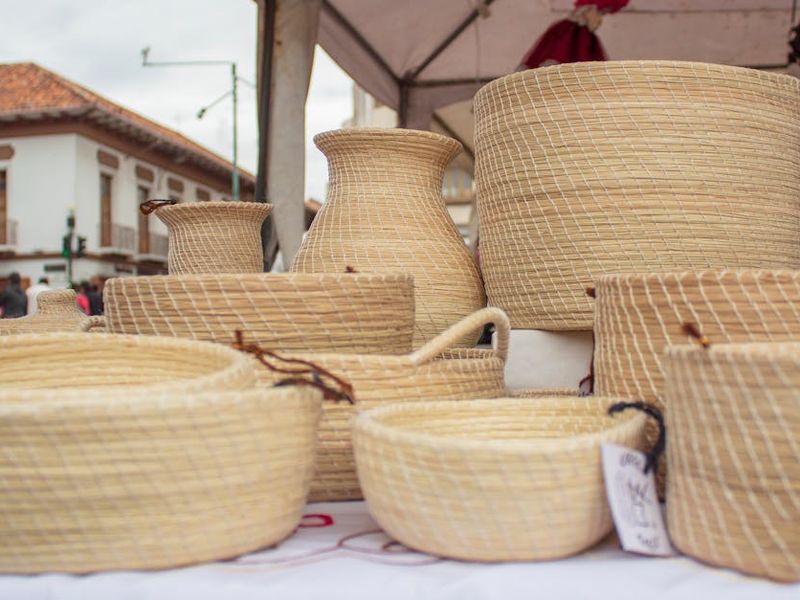
Heading east toward Cuenca, the towns of Gualaceo and Chordeleg are known for silverwork, woven goods and local handicrafts. Combine Ingapirca with a handicrafts route for souvenirs and to support artisanal communities.
Cajas National Park (if you want to extend the trip)
For nature lovers, consider pairing Ingapirca with a hike in Cajas National Park. The park’s páramo lakes and trails are spectacular but can be cold and wet—plan accordingly.
Sample itineraries from Cuenca
Here are a few practical ways to build Ingapirca into your travel schedule, from a quick half-day option to a relaxed overnight adventure.
Half-day (early start) – quick highlights
Depart Cuenca early (6:30–7:00 a.m.) by car or tour. Arrive mid-morning, tour the ruins with a guide for 1.5–2 hours, visit the small museum, then return to Cuenca by late afternoon. Best for tight schedules or combining with a late afternoon in Cuenca.
Full-day – cultural immersion
Leave Cuenca around 7 a.m., stop in Cañar for market browsing, arrive at Ingapirca mid-morning, enjoy a guided tour and picnic lunch, then continue to Chordeleg or Gualaceo for crafts in the afternoon before returning to Cuenca. This gives a rounded experience of archaeology, food and local crafts.
Overnight – slow travel and photography
Spend the night in a guesthouse near Ingapirca or in Cañar to capture sunrise or sunset photos of the ruins without rushing. Overnighting also reduces altitude strain and lets you sample local hospitality in small towns.
Responsible travel and supporting local communities
Visiting Ingapirca responsibly improves the experience for everyone. Stick to marked paths to protect fragile masonry and vegetation, dispose of waste properly and buy goods from local vendors when possible. Hiring a local guide directly at the site channels income into the community; small donations or purchases help fund conservation and cultural programs. Finally, be respectful of any ceremonies or local customs—ask before photographing people, especially during traditional events.
When to go: seasonal considerations
Ecuador’s highlands have a wet season (roughly October to May) and a drier season (June to September). The dry months offer more predictable views and easier walking, while the wet season can bring sudden showers and muddy paths. Shoulder months can be pleasant with fewer crowds, but always bring a rain layer and waterproof footwear. Regardless of season, early mornings offer the clearest air and softer light for photography.
Safety and health practicalities
Ingapirca is generally safe for travelers, but usual precautions apply: keep valuables secure, travel with a companion if you hike farther from the main path, and be cautious on uneven surfaces. Altitude can cause headaches or shortness of breath—stay hydrated, eat light, and avoid heavy alcohol the night before. If you have pre-existing heart or respiratory conditions, consult a doctor before visiting high-elevation sites.
Final thoughts: why Ingapirca is worth the trip from Cuenca
Ingapirca is more than a single ruin; it’s a crossroad of cultures — a place where Cañari agricultural skill met Inca ritual precision, and where the Andes rise dramatically around human ingenuity. From the fine stonework of the Temple of the Sun to the working terraces and nearby markets, a visit offers a compact but layered encounter with Ecuadorian history and rural life. For anyone staying in Cuenca, a day at Ingapirca is an accessible, memorable excursion that deepens your understanding of the highlands beyond the colonial plazas.
Plan your timing, bring layers and a curious mindset, and you’ll return to Cuenca with photos, stories and a fresh appreciation for Ecuador’s past and present.