
Table of Contents
Why Cuenca Is the Best Place in the World for Dental Tourism
If you’re weighing options for dental implants, crowns, or veneers, Cuenca, Ecuador should be at the top of your list. Patients travel from the U.S., Canada and Europe to take advantage of 60–70% lower prices, highly trained dentists, modern facilities, and a restful, beautiful recovery environment. Cuenca combines top-tier clinical care with one of the most pleasant cities in South America for recuperation—making it perfect for a dental vacation where treatment and travel blend seamlessly.
What Makes Cuenca Exceptional for Dental Work?
There are a few consistent reasons dental tourists choose Cuenca over other destinations:
- Massive cost savings: Implants, crowns and veneers often cost 60–70% less than in the U.S. and Canada. That means high-quality care for a fraction of the price and the ability to combine multiple procedures into one visit.
- Highly trained dentists: Many Cuenca dentists hold postgraduate training and international certifications, and universities in Ecuador produce excellent clinicians who often train abroad as well.
- Modern, well-equipped clinics: Clinics in Cuenca commonly use digital imaging, CAD/CAM milling, 3D printing and cone-beam CT (CBCT). You get cutting-edge diagnostics and precision prosthetics.
- Personalized, one-on-one care: Small clinic sizes and an emphasis on personalized care mean less time in waiting rooms and more face time with your doctor.
- Short wait times: Unlike many popular dental tourism hotspots where you may wait months, Cuenca clinics often schedule consultations and procedures quickly—ideal if you’re planning a short dental vacation.
- Recovery environment: The city’s mild climate, scenic historic center, tranquil riverside walks and comfortable lodging create an ideal environment for healing after oral surgery.
Choosing the Right Neighborhood to Stay In
Where you stay in Cuenca affects convenience, recovery comfort and access to clinics and leisure activities. These neighborhoods are most popular with dental tourists:
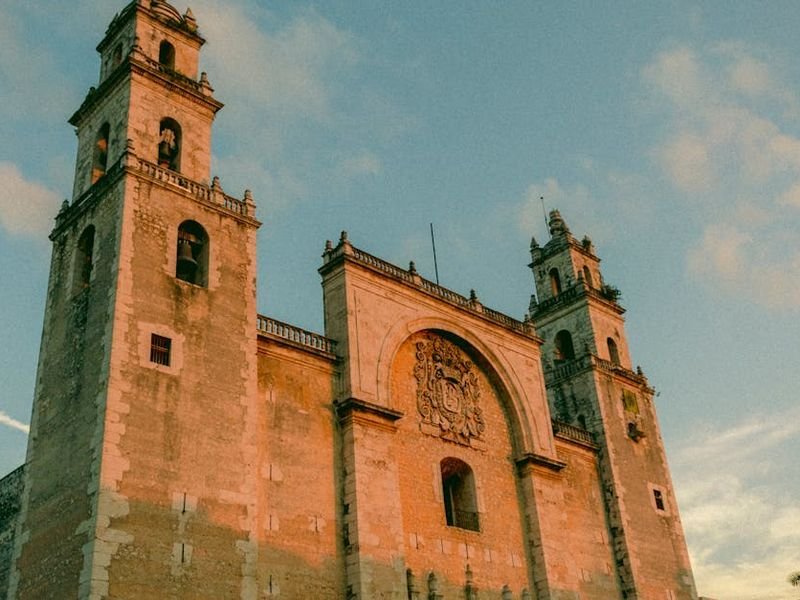
- Historic Center (El Centro / Parque Calderón): Heart of the city with cobblestone streets, colonial architecture, and many clinics within walking distance of hotels and restaurants. Staying here is convenient for short walks to evening appointments and sightseeing during recovery.
- San Sebastián: A quieter, artsy neighborhood with boutique hotels and guesthouses. It’s perfect if you want low noise and a restorative atmosphere while still being a short taxi ride from dental practices.
- Tomebamba Riverfront (Calle Larga & surrounding streets): Hotels overlooking the river offer calming views—excellent for recovery walks and gentle exercise after procedures.
- Near the Clinics (Avenida Remigio Crespo / Avenida 12 de Abril): Many dental offices group around major medical corridors. If minimizing transfer time is your priority, choose a hotel within this area.
Hotel Features to Prioritize When Planning a Dental Vacation
Not all hotels are equally suited for dental tourists. Here are features to prioritize when booking:
- Ground-floor rooms or elevators: After implant surgery, you may prefer avoiding stairs.
- Kitchenette or in-room fridge: You’ll need soft foods and cold storage for medications and smoothies during the first few days of recovery.
- Quiet rooms and good soundproofing: Sleep and low stress are essential for healing.
- Comfortable bedding and adjustable pillows: Elevating your head slightly while sleeping reduces swelling after oral surgery.
- On-site staff that can arrange clinic transfers: Many clinics provide pick-up, but a hotel concierge that coordinates transportation is helpful.
- Flexible booking policies: Dental plans sometimes change; choose accommodations with easy date adjustments.
- Reliable Wi-Fi and a desk: You might need to handle follow-ups, send photos to your dentist, or just video-call family during recovery.
Types of Stays That Work Best for Dental Patients
Your ideal hotel depends on procedure complexity and length of stay. Here are options that routinely satisfy dental tourists:
Boutique Colonial Hotels in the Historic Center
These are charming, often family-run properties located close to Parque Calderón. They offer personalized service, quieter rooms away from the main plazas, and a walkable route to many clinics. For recovery, the old-town ambiance and short distances to pharmacies and soft-food restaurants are major pluses.
Modern Business Hotels
Business hotels provide elevators, consistent service standards, and on-site dining. They’re a good choice if you want predictability—especially if you’re traveling alone and value 24-hour front desk service and airport transfers.
Serviced Apartments and Extended-Stay Suites
If you’re staying for two weeks or more for implants and follow-ups, a serviced apartment with a full kitchen, laundry, and living space can feel like home. Many dental tourists choose this for multi-stage implant cases that require longer healing periods.
Riverside Hotels and Quiet Guesthouses
Recovery is as much psychological as physical. Hotels along the Tomebamba River or quiet guesthouses in San Sebastián offer scenic walks, low noise and a calming atmosphere—perfect for days when you need rest between appointments.
How to Coordinate Hotel and Clinic for a Smooth Dental Vacation
Coordination between your clinic and hotel is one of the big advantages of choosing Cuenca. Many clinics assist with hotel recommendations, arrange transportation from Mariscal Lamar International Airport (CUE), and even coordinate follow-up stays. Here’s a practical sequence to follow:
- Book an initial teleconsultation with the dentist and request a written treatment plan and timeline.
- Choose a hotel within the recommended neighborhood and confirm early check-in or late check-out if your flight schedule demands it.
- Arrange airport pickup through either your clinic or the hotel; direct transfers minimize stress after long flights.
- Confirm daily medication delivery options or locate the nearest pharmacy to your hotel.
- Plan light activities and sightseeing aligned with your recovery days—short river walks, museums and cafes are ideal.
Sample 7–10 Day Dental Vacation Itinerary
Here’s a realistic plan for a common dental tourism trip—implant placement plus a crown or two. Remember every treatment is different; use this as a framework:
- Day 1: Arrive in Cuenca. Rest and acclimatize to the elevation (about 2,560 meters). Gentle walk near your hotel, early bedtime.
- Day 2: Clinic visit: final consultation, X-rays or CBCT scan, and local anesthesia pre-op checks. Discuss post-op plan and pain management.
- Day 3: Implant surgery day (if planned as same trip). Many clinics perform sedation or IV anesthesia if requested. Short hotel rest following discharge.
- Days 4–6: Rest days at the hotel with light walks along the river. Soft foods, ice packs, and follow-up calls with your dentist. Mild sightseeing if you feel up to it.
- Day 7: Check-up visit and suture removal if necessary. If placing temporary crowns or impressions for permanent restorations, this can often be done before you leave.
- Days 8–10: Relaxation, culture, and final checks. If your procedure is staged (implants first, crowns/veneers later), many clinics coordinate the second visit timing or arrange local labs to fabricate restorations in under a week.
Practical Tips for Booking Hotels and Managing Recovery
Make your dental vacation as smooth as possible with a few practical recommendations:
- Book refundable or changeable rates: Treatment dates sometimes shift—flexibility costs less stress than savings.
- Request a quiet room away from street noise: Cobblestone streets can be pretty and noisy; a river or courtyard view is calmer.
- Bring soft-food essentials: Pack favorite smoothies, instant oats, or protein powder. You can also buy fresh fruit at local markets within minutes of most central hotels.
- Confirm elevator access if mobility is a concern: Many historic buildings lack elevators; ask before booking.
- Check for English-speaking staff: Larger hotels often have English-speaking front desk staff; clinics typically provide translators if needed.
Money, Guarantees and Legal Considerations
One of the strengths of Cuenca’s dental tourism industry is transparency. Most reputable clinics offer written treatment plans, timelines and warranties for prosthetics. Practical points to keep in mind:
- Get a written quote that includes lab fees, anesthesia, follow-ups and warranty terms.
- Ask about payment methods—many clinics accept major credit cards, bank transfers, or cash payments.
- Request a clear follow-up plan in writing. If you’ll be returning home before final restorations, ask about coordination with your local dentist or a remote monitoring plan.
- Consider travel insurance that covers medical travel interruptions, but note that routine dental procedures are sometimes excluded—read policies carefully.
Why the Overall Value Is Hard to Beat
When you add everything together—expert care, modern clinics, fast scheduling, and a calm recovery setting—Cuenca delivers extraordinary value. The lower cost doesn’t mean lower standards. Many patients return home with dental implants and crowns that look and feel like the top-tier work they would have paid much more for elsewhere. That’s why Cuenca has become a hub for dental tourism where clinical quality, short waiting times and an enjoyable recovery experience converge.
Final Checklist Before You Book
Use this short checklist to make sure your hotel choice supports a safe, restful and efficient dental vacation:
- Hotel location: near clinic or in quiet riverside/historic area?
- Amenities: fridge, kitchenette, elevator, reliable Wi-Fi?
- Staff support: airport transfer, English speakers, concierge who can arrange taxis or pharmacy runs?
- Flexibility: refundable dates and late checkout for medical needs?
- Comfort: comfortable mattress, blackout curtains, extra pillows for head elevation?
Conclusion: Book Smart, Recover Well, and Return Home Smiling
Cuenca is more than a cheaper alternative for dental work—it’s a complete dental vacation destination. The combination of dramatic cost savings (often 60–70%), world-class-trained dentists, cutting-edge clinics, personalized care, and a beautiful setting for recovery makes Cuenca arguably the best city in the world for implants, crowns and veneers. By choosing the right neighborhood and a recovery-friendly hotel, you’ll maximize comfort and convenience while enjoying one of Ecuador’s most charming cities. Book coordinating appointments with your clinic, pick a hotel that supports rest and soft-food needs, and prepare to come home with excellent dental results and great memories of your time in Cuenca.