
Table of Contents
Why Cuenca’s Markets Are Worth Exploring
Cuenca’s markets are more than places to shop — they are living snapshots of Ecuadorian highland culture. From stalls heaped with dozens of potato varieties to women selling handwoven shawls and expertly shaped toquilla straw hats, the city’s markets combine culinary abundance and craftsmanship in a way you won’t find in a supermarket. For expats and visitors, a market tour is the fastest route to learning local ingredients, practicing Spanish, and discovering unique souvenirs.
Quick Orientation: Market Types and Where They Tend to Be
In Cuenca you’ll encounter several kinds of markets: the large central indoor market with everyday produce and wet-market stalls; neighborhood markets that open daily or several times a week; dedicated artisan markets clustered around historic plazas; and weekend farmers’ markets that bring growers and small-batch producers together in one spot. Most are centered in or near the historic core — think Parque Calderón, San Blas and the riverfront by the Tomebamba — which makes a walking route through multiple markets an easy and rewarding experience.
Best Markets to Visit: A Practical Walkthrough
Below are the types of markets you should prioritize. I’ve grouped them by experience rather than giving a sterile checklist — that way you can plan by mood: whether you want a lively bargain hunt, a relaxed morning with chefs and vendors, or a browse for high-quality crafts.
1) The Central Market (Mercado Central / Mercado 9 de Octubre)
The Central Market is the most authentic place to experience Cuenca’s everyday food culture. Expect long rows of vegetable and fruit stalls, meat counters, fresh fish vendors, and small food vendors selling quick local dishes. It’s the place locals shop for weeknight cooking: potatoes in dozens of varieties, ears of corn (choclo), avocados, herbs, and the staples that form Ecuadorian home cooking.
Practical tip: arrive before 10 a.m. for the best selection and the friendliest prices. Bring cash in small bills and your own produce bags — vendors often charge for plastic bags or simply don’t provide them.
2) Neighborhood Markets (Mercados de Barrio)
Walking just a few blocks from the city center you’ll find smaller neighborhood markets serving daily shoppers. These are great if you’re staying in a particular barrio: faster, less crowded, and perfect for picking up items like fresh cheese (queso fresco), farm eggs, panela (unrefined cane sugar), and kitchen-ready produce.
Neighborhood stalls often sell prepared foods, too — a great way to try local breakfast specialties while you shop.
3) Artisan Markets Near the Historic Core
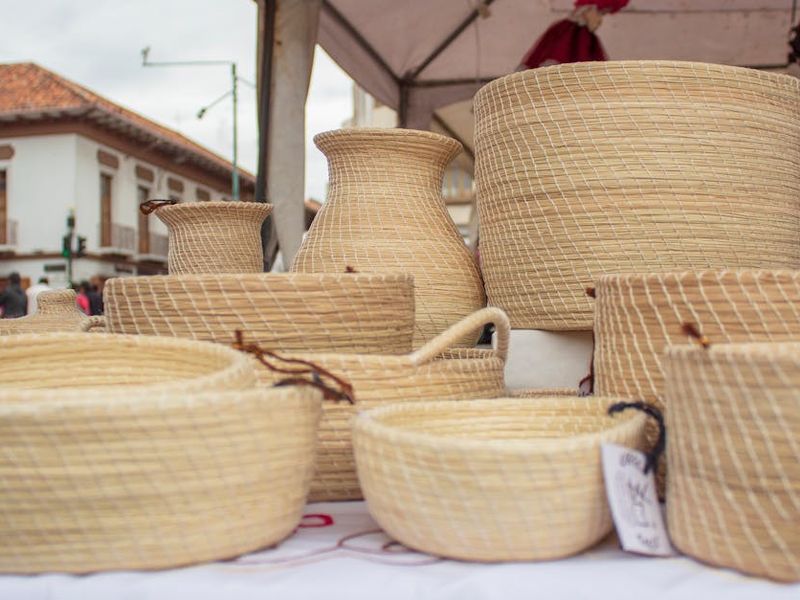
Cuenca’s artisan scene is concentrated near the historic plazas and along a few pedestrian streets where rows of stalls display textiles, jewelry, leather goods and the famous toquilla straw “Panama” hats (made in Ecuador). These markets are ideal for souvenir shopping: look for hand-loomed alpaca shawls, detailed silver filigree, and ceramic pieces made by local artisans.
Practical tip: inspect weave quality on textiles and the finish on leather goods. Many artisans will be happy to demonstrate materials and techniques — it’s both informative and a courteous way to haggle.
4) Weekend Farmers’ Markets and Specialty Fairs
On Saturdays (and occasionally Sundays) you’ll find pop-up farmers’ markets and specialty fairs where small producers bring produce from surrounding Andean valleys. These markets are where you’ll discover seasonal gems like uchuva (goldenberry), mortiño (Andean blueberry), and tree tomato (tomate de árbol). They’re also the best places to buy small-batch preserves, local honey, and artisanal cheeses directly from the producer.
Pro tip: these markets are excellent for tasting. Vendors are used to tourists and often offer samples; try the preserves with a piece of fresh bread to get a true sense of flavor.
What to Buy: Fresh Produce Highlights
Cuenca’s produce reflects its Andean latitude and elevation. When you shop, look for these standouts:
- Potatoes: The Andes are the birthplace of the potato, and you’ll find dozens of varieties ranging from waxy to starchy; ask vendors for the best type for boiling versus frying.
- Avocados: Local avocados tend to be smaller and denser than tropical varieties — perfect for slicing on toast or in salads.
- Fruits: year-round staples include oranges, bananas and papaya; seasonal treasures include naranjilla, mortiño, uchuva and tree tomatoes.
- Grains & Legumes: quinoa, mote (hominy corn), and chochos (lupini beans) are common and easy to cook at home.
- Dairy: fresh queso fresco, crema, and aged Andean cheeses are often available from small producers.
- Herbs & Flowers: markets brim with cilantro, culantro, parsley, and edible flowers used in traditional dishes.
What to Buy: Crafts and Artisan Goods
Cuenca is an artisan hub — crafts often combine Spanish colonial influences with indigenous techniques. Look for:
- Toquilla straw hats: Often called “Panama hats” internationally, the best ones are tightly woven and flexible. Ask about weave grade (finer weaves cost more).
- Handwoven textiles: Alpaca or sheep wool shawls, ruanas and scarves with natural dyes.
- Silver filigree jewelry: Intricate designs are traditional in Azuay; check for sterling markings and solid construction.
- Ceramics & pottery: Locally made ceramics range from rustic tableware to decorative pieces inspired by Andean motifs.
- Woodwork and leather: Quality belts, bags, and carved home items are widely available; inspect seams and finishes.
Shopping Smart: Haggling, Prices and Payment
Bargaining in Cuenca is common in artisan markets and sometimes at neighborhood stalls, but less so at the central food market where prices are already low. Here are practical guidelines:
- Start 20–30% lower: If you want to haggle, a modest opening offer is usually enough — be friendly and willing to walk away.
- Use cash: Many vendors accept only cash, and smaller bills (1–10 USD) are easier to use. Coins are handy when buying small items like fruit or a coffee.
- Card use: Higher-end artisan shops near the main plazas often accept cards, but expect a minimum purchase or a small surcharge.
- Receipts: Not common at small stalls. If you need one (for warranty or customs), buy from an established shop that issues invoices.
Best Times to Visit and Seasonal Considerations
Markets are busiest early in the morning, around 7–10 a.m., when produce selection is at its peak. If you prefer fewer crowds, head mid-morning or early afternoon. For seasonal produce:
- June–September: peak months for certain tubers and grains as Andean harvest cycles complete.
- March–May: often when more tropical fruits arrive from lower elevations.
- Flower seasons: vary by variety but spring brings a bloom of ornamental flowers for festivals and household use.
Weekend markets will show the most variety because growers from surrounding valleys bring their best stocks. If you’re after a particular item, ask vendors when it’s in season — they’ll often recommend the best time to return.
Transport, Parking and Market Navigation
Many central markets are reachable on foot if you’re staying in the historic district. If not, taxis are inexpensive and numerous; agree on a fare or ensure the driver uses the meter. Some markets have nearby paid parking lots, but avoid driving into very crowded streets during peak market hours — a short walk from a parking spot can save a lot of time.
Inside markets, move with purpose. If you want to take photos, ask permission first — vendors generally appreciate the courtesy. Keep your valuables secure and use a cross-body bag or money belt to minimize pickpocket risks in crowded aisles.
Storing and Preparing Market Purchases
Fresh market goods often need different care than supermarket produce. Here’s how to handle common buys:
- Potatoes: store in a cool, dark place; don’t refrigerate if you plan to fry them.
- Herbs: treat like cut flowers — trim stems and place in water; they’ll last longer this way.
- Cheese & dairy: keep refrigerated and use within a few days; local fresh cheeses don’t have the same shelf life as industrially processed varieties.
- Tropical fruits: many ripen at room temperature; move to the fridge once they reach peak ripeness.
For fragile crafts like textiles and hats, ask vendors about packing for travel. A quality toquilla hat can often be rolled and stored in a hat box, but always follow the artisan’s advice.
Practical Spanish Phrases for Market Shopping
A few phrases will make interactions smoother and more enjoyable:
- ¿Cuánto cuesta? — How much does it cost?
- ¿Me puede dar un descuento? — Can you give me a discount?
- ¿Está fresco? — Is this fresh?
- ¿Dónde puedo probar? — Where can I try a sample?
- Solo efectivo. — Cash only.
Even a few words and a smile go a long way toward friendly bargaining and better prices.
Sample One-Morning Market Route
If you only have a morning, here’s a simple walking route that balances produce and crafts: start early at the Central Market for fresh fruits, cheese and breakfast empanadas; walk toward the river and visit the artisan stalls near the historic plazas; stop for coffee and a look in any specialty shops along the way; finish at a weekend farmers’ market if it’s operating. This route will give you a sense of Cuenca’s culinary staples and its artisanal strengths in a few hours.
Final Tips and Cultural Notes
Remember that markets are community spaces: conversations are part of the experience. Be ready to try foods you haven’t seen before and to ask questions about how items are made or grown — vendors enjoy explaining their craft. Also, buying directly from producers supports small businesses and keeps traditional techniques alive in the region.
Whether you’re an expat outfitting a new kitchen or a visitor looking for memorable souvenirs, Cuenca’s markets deliver flavor, craftsmanship and warmth. Plan to spend time — the best finds rarely appear at a glance — and let curiosity lead you to the stalls that tell Cuenca’s story best.