
Table of Contents
Why neighborhood choice matters in Cuenca
Choosing the right neighborhood in Cuenca shapes your daily life: how you shop, how long your commute is to healthcare or Spanish classes, and how easy it is to make friends. The city’s spring-like climate and compact downtown make many areas pleasant for expats, but each barrio has a distinct personality. This guide highlights neighborhoods where Americans often settle, what to expect in each, and practical tips for choosing the one that best fits your priorities.
Quick snapshot of practical considerations
Before we dive into individual barrios, consider these factors that influence where Americans live in Cuenca:
- Walkability: Many expats prefer neighborhoods where groceries, cafes, and clinics are within walking distance.
- Access to healthcare: Proximity to private clinics and pharmacies is a common priority.
- Noise and crowds: The Historic Center is vibrant but busy; northern neighborhoods tend to be calmer.
- Housing style and cost: Colonial apartments, modern high-rises, and single-family homes are all available at different price points.
- Community: Some barrios have well-established expat circles, English-speaking services, and meetups.
1. Historic Center (Centro Histórico) — for walkable life and colonial charm
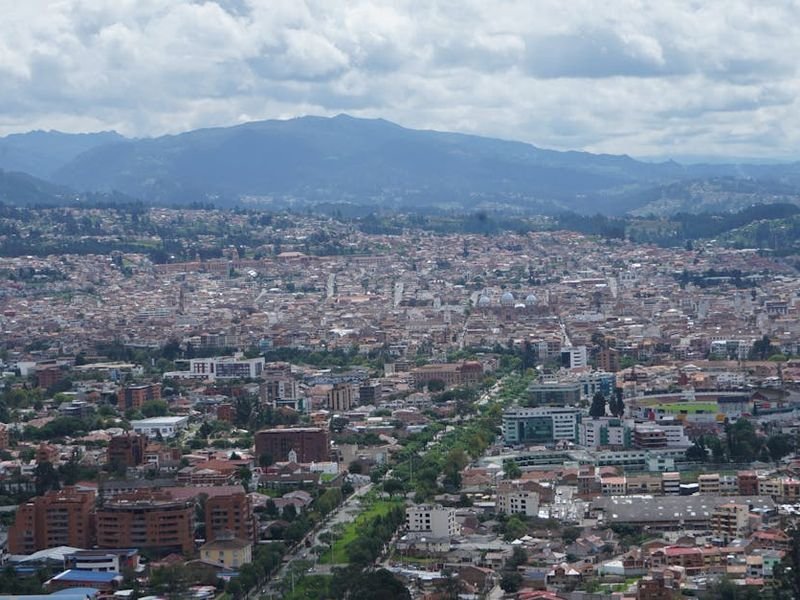
The Centro Histórico is the heart of Cuenca, centered around the Parque Calderón and the trio of cathedral domes. Many Americans are drawn to its cobbled streets, historic architecture, and easy access to restaurants, craft markets, and cultural life. Expect to walk to museums, galleries, and small groceries or artisan shops.
What to expect: apartments in restored colonial buildings, sometimes with high ceilings and thick walls that moderate temperature. Noise from tourists and street activity is a trade-off for convenience and ambiance.
Who it’s best for: people who prioritize cultural immersion, short walks to amenities, and a social, central location. Rent range: small studios or one-bedroom units often start in the low to mid hundreds of USD/month, while larger, renovated spaces can reach higher depending on furnishings and location.
2. San Sebastián and El Cerca — artsy, historic, and slightly elevated
Just a short walk from the Parque Calderón, San Sebastián and adjacent historic pockets offer narrower alleyways, artisan shops, small plazas, and a slightly quieter vibe than the busiest blocks of the center. Many boutique hotels and renovated homes are scattered through these streets.
What to expect: an intimate neighborhood feeling, lots of stairs and hills, and easy access to local bakeries and weekend markets. Some buildings can be steep and less accessible for mobility concerns.
Who it’s best for: people who want historic character without the loudest tourist corridors; also good for those who enjoy walking and discovering tucked-away cafés and galleries.
3. El Vergel and the Northern Corridor — modern conveniences and green space
The northern neighborhoods of Cuenca (often referred to collectively as El Vergel or the north corridor) attract many expats who prefer newer construction, apartment buildings, and proximity to shopping malls and private clinics. This area usually has wider streets, modern supermarkets, and residential complexes with parking and security.
What to expect: newer multi-story apartment buildings, gated communities, and local amenities like gyms and international grocery selections. Streets are generally less steep than historic zones.
Who it’s best for: families and retirees who want modern housing, convenient shopping, and quieter residential streets. Rents here can be comparable to the center or slightly higher for new developments.
4. Riverside barrios (Tomebamba & Yanuncay corridors) — scenic and walkable
Cuenca’s two rivers, the Tomebamba and the Yanuncay, create delightful riverside promenades and neighborhoods that blend green space with city convenience. Homes and apartments perched along the river offer pleasant views and easy walks on riverside paths.
What to expect: tree-lined walks, bridges, and a mix of colonial houses and modern apartments. The riverside routes are great for morning walks, running, and meeting other outdoor-minded residents.
Who it’s best for: active expats who prioritize scenic walks and proximity to downtown without living in the busiest tourist streets.
5. Residential suburbs — quieter life and more space
If you’re seeking larger houses, yards, and the possibility of a garden, the residential suburbs on the city’s periphery offer that. These neighborhoods usually require a short drive to the center, but they reward residents with space, quieter streets, and a community feel.
What to expect: single-family homes or duplexes with outdoor areas. Many residents rely on taxis or private transport for errands, though supermarkets and services are increasingly close at hand.
Who it’s best for: those who plan to stay long-term, have pets, or prefer a suburban pace while still being within reach of Cuenca’s amenities.
6. University-adjacent neighborhoods — lively and budget-friendly
Areas near universities tend to be lively, with affordable rentals, cafes, and student-focused services. These neighborhoods can be noisy during the academic year and quieter during holidays, but they offer energetic atmospheres and low rents.
What to expect: shared apartments, studios, and plentiful cafés. English may be more commonly heard among students, and language exchanges are frequent.
Who it’s best for: younger expats, people on a tighter budget, or anyone who enjoys a youthful vibe and lots of social activity.
How much does living in Cuenca cost? A practical breakdown
Costs vary by neighborhood and lifestyle. Here’s a general guide to monthly expenses you can expect:
- Rent: small studio or one-bedroom (historic center) $250–$600; modern one- or two-bedroom (north/El Vergel) $400–$900; larger houses or high-end condos $900+.
- Utilities: electricity, water, gas, and basic cable/internet often run $40–$100/month depending on usage and season.
- Groceries: a modest monthly food budget for two people can be $250–$500, depending on preferences for imported goods.
- Dining out: local meals are inexpensive; occasional international restaurants cost more but remain cheaper than major U.S. cities.
- Transportation: buses are very affordable, taxis and ride-hailing are inexpensive compared to U.S. standards.
Safety, healthcare, and practical services
Cuenca is generally considered one of Ecuador’s safer cities for expats, with neighborhoods that feel secure and welcoming. Regardless of where you live, apply everyday safety practices: secure windows and doors, be mindful at ATMs, and avoid poorly lit streets at night.
Healthcare in Cuenca is a major draw: there are reputable private clinics and pharmacies where many expats find high-quality services at a fraction of U.S. prices. Most neighborhoods have at least one clinic or pharmacy within a short drive. When selecting a neighborhood, check proximity to the kind of medical services you may need regularly.
Finding housing and negotiating leases
Tips for finding and securing a place:
- Start online: local classifieds and Facebook groups for Cuenca expats are excellent places to spot available rentals and ask questions from current residents.
- Tour in person: photos can be misleading. Walk the neighborhood at different times of day to assess noise and safety.
- Ask about utilities and included services: some rents include water and Wi‑Fi; others do not.
- Negotiate politely: many landlords expect some negotiation, especially for longer leases. If you plan to stay a while, ask for a discount on a 6–12 month lease.
- Get a written contract: include rent, deposit amount, notice period, and what’s covered by the landlord.
Language, culture, and making connections
Spanish is the primary language, and learning basic Spanish will enrich daily life and help with bureaucracy. Many Americans in Cuenca learn Spanish through small private schools, conversation clubs, or tandem partners. You’ll also find English-speaking dental and healthcare professionals in many clinics, particularly near neighborhoods popular with expats.
Community is easy to build. Look for weekly language exchanges, volunteer opportunities, fitness classes, and meetup groups. Local cafés, parks, and markets are also excellent places to meet neighbors and practice Spanish.
Transportation and getting around
Cuenca’s public buses cover the city extensively and are very affordable. Taxis and ride-hailing apps are widely used and inexpensive for short trips. If you plan to drive, bear in mind that traffic increases during peak hours and parking near the historic center can be limited. Many expats prefer walking in central neighborhoods and using taxis for grocery runs and appointments.
Tips specific to American expats
- Banking and money: set up a local bank account if you plan extended stays—this simplifies bill payments. ATMs for major banks are common, but fees can add up.
- Visas: research visa options before relocating (pensionado, rentista, and other residency options exist). Consult official immigration resources or an immigration lawyer for guidance.
- Imports and customs: if bringing furniture or a vehicle, investigate customs regulations and taxes; many expats buy or rent locally instead.
- Electrical appliances: Ecuador uses 110V in many areas but verify for each building; adapters are often needed for U.S. devices.
- Pets: many neighborhoods are pet-friendly, but check building rules and local veterinary options before choosing a home.
How to decide: a quick neighborhood checklist
Use this checklist when you visit Cuenca and tour neighborhoods:
- Distance to grocery stores and pharmacies — are they within a comfortable walk?
- Noise level at different times — morning, afternoon, and night.
- Access to healthcare: how long will a taxi ride be to a clinic?
- Public transportation options: are bus stops or ride-hailing easily available?
- Community vibe: are there expat meetups, cafés, or parks where you can meet people?
- Safety and lighting of streets, especially if you enjoy evening walks.
- Housing quality: insulation, windows, hot water, and internet speeds.
Final thoughts — match your priorities to the barrio
Cuenca offers a neighborhood to suit nearly every lifestyle. If you want immersion in history and a short walk to cafés and museums, the Centro Histórico and San Sebastián are compelling. If you prefer modern conveniences, quieter streets, and newer housing, El Vergel and the northern corridor deliver. Riverside barrios balance proximity to downtown with scenic outdoor space, while suburbs provide roomier homes and a relaxed pace.
Whatever you choose, spend time visiting different areas, talk to residents, and rent short-term first if possible. That way you’ll discover which neighborhood’s rhythms and amenities fit your daily life — and then you can settle into the Cuenca experience with confidence.
Quick resources to get started
- Local expat Facebook groups and community forums for current rental listings and first-hand neighborhood impressions.
- Language schools and conversation meetups to build relationships and improve Spanish quickly.
- Local supermarkets (look for well-known chains) and weekend markets to explore fresh produce and artisan goods.
- Short-term rentals as a trial period before signing a longer lease.
With a thoughtful visit and attention to your priorities—walkability, healthcare access, noise levels, and community—you’ll find the neighborhood in Cuenca that feels like home.