
Table of Contents
Why Neighborhood Choice Matters in Cuenca
Cuenca is beloved by expats for its colonial charm, temperate climate, and affordable lifestyle, but where you live will shape that experience. Neighborhoods differ widely in architecture, noise level, walkability, access to healthcare and groceries, and community vibe. This guide breaks down the most popular areas for expats and gives practical, on-the-ground advice so you can find the best fit for your lifestyle.
Quick snapshot: What expats usually look for
Most newcomers prioritize four things: proximity to quality healthcare, reliable utilities and internet, safety, and an active expat or bilingual community. Others prioritize walkability and cultural life, while families may seek larger homes, parks and international schools. Cuenca has neighborhoods that meet all these needs—this article highlights the trade-offs.
1. Historic Center (Centro Histórico): Heart of the Action
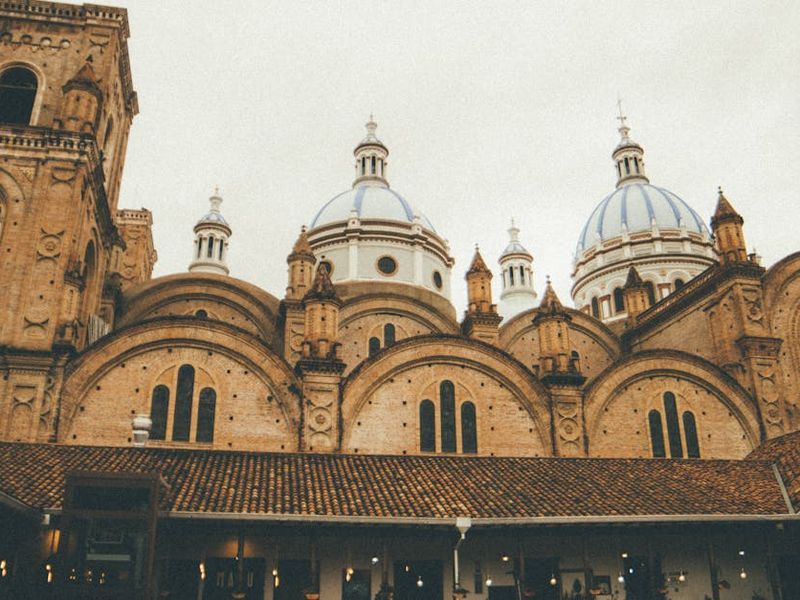
The Historic Center, anchored by Parque Calderón and the New Cathedral, is what many people picture when they imagine Cuenca. Cobbled streets, colonial balconies, artisan shops and dozens of cafes make it an attractive choice for people who want to be in the middle of the action.
Pros: Walking distance to museums, restaurants and municipal services. Great for walkers and people who enjoy cultural events and nightlife. Plenty of short-term furnished rentals and rental options suited for singles and couples.
Cons: Noise from bars, buses and festivals; street traffic and occasional crowds. Some buildings are older and may lack elevators or modern wiring. Expect to pay a premium for prime plaza-front locations.
Tip: If you love Centro but want quieter evenings, look for apartments on higher floors facing internal courtyards. Also confirm hot water availability—some buildings use gas heaters that need maintenance.
2. San Sebastián: Leafy, Cultural, and Close
Just north of the historic core, San Sebastián offers a quieter feel without sacrificing proximity. Tree-lined streets and small parks give it a neighborhood feel while still being a short walk to Centro.
Pros: Good mix of apartment buildings and houses, friendly neighborhood vibe, local bakeries and small shops. A popular choice for expats who want calm but still want to walk to downtown.
Cons: Fewer large supermarkets within immediate walking distance—though short taxi or bus rides solve that. Some streets are narrow and can be steep.
Tip: San Sebastián often hosts small artisan markets on weekends. If you prefer slow-paced mornings with coffee shops nearby, this area suits you well.
3. El Vergel / Ordoñez Lasso Corridor: Modern Comforts
The El Vergel area and the stretch along Avenida Ordoñez Lasso are known for modern apartment towers, medical offices and banks. If you need frequent access to clinics and prefer newer construction with elevators and parking, this zone deserves a close look.
Pros: Modern buildings, reliable utilities, easier parking, and proximity to private clinics and labs. Supermarkets, pharmacies and service shops are common.
Cons: Lacks the colonial charm of Centro; can feel more like a commercial corridor. Street noise can be higher during business hours.
Tip: For those needing regular healthcare appointments, living near major clinics and labs reduces travel time and stress. Check for guaranteed water pressure and building maintenance plans before signing a lease.
4. Yanuncay / Río Yanuncay: Newer Developments and River Views
The Yanuncay area to the east has seen a wave of new developments and offers a mix of mid-rise apartments and single-family homes. It’s a practical choice for people seeking modern conveniences without being in the historic center.
Pros: Newer constructions, shopping centers and supermarkets nearby, and some pleasant riverside walking trails. Many buildings offer amenities like gyms and secure parking.
Cons: Parts of the area can be busy with traffic, and newer neighborhoods may lack character compared with Colonial Centro or older residential districts.
Tip: Ask about monthly homeowners’ association (HOA) fees and what they cover—security, cleaning of common spaces and garbage collection can be included or separate.
5. Ricaurte and Bellavista: Quiet, Family-Friendly Enclaves
Ricaurte and nearby neighborhoods are favored by families and long-term residents. Expect more green spaces, larger lots, and quieter streets—ideal for those who prefer single-family homes or duplexes.
Pros: Larger homes with gardens are common, good for pets and children. Typically quieter with a suburban feel while still being a reasonable drive to downtown.
Cons: Fewer public transport options; a car or regular taxi use becomes more likely. Some services—like specialty shopping or trendy eateries—may be farther away.
Tip: If you’re moving with kids, visit the neighborhood during school drop-off and pickup times to assess traffic and parking needs around local schools.
6. Ponceano and Totoracocha: Suburban Living and Value
Ponceano and Totoracocha lie a bit farther from the center and are popular for more affordable rents and larger properties. These areas offer a suburban lifestyle with the trade-off of longer commutes.
Pros: More space, lower rent per square meter, and quieter nights. Many expats seeking long-term rentals or to buy find better value here.
Cons: You’ll likely need a car for errands and commuting. Public transport exists but may be less convenient or frequent.
Tip: If you favor outdoor space, prioritize visits in the rainy season to check yard drainage and the condition of access roads—some streets can be affected by heavy rains.
7. Near Mall del Río and Commercial Hubs: Convenience First
If convenience—shopping malls, cinemas, chain supermarkets and more—is your priority, neighborhoods near Mall del Río and other commercial hubs are excellent. These areas are younger, with apartment complexes and mixed-use buildings.
Pros: Easy access to big-box stores, cafes, medical centers and entertainment. Modern apartments often include security and parking.
Cons: Commercial zones can be busy, with traffic peaks and less of the small-town feel of traditional Cuenca neighborhoods.
Tip: Living near a mall is handy for weekend errands, but check noise levels from delivery trucks and plan for peak-hour traffic on main arteries.
Housing Costs, Utilities and Rentals: What to Expect
Cuenca uses the U.S. dollar, which simplifies budgeting for expats. Rent varies widely by neighborhood and finish level—basic one-bedroom apartments can run $300–$600/month, while furnished, centrally located apartments or nicer two-bedroom units commonly range $500–$1,200/month. Single-family homes and modern condos with amenities may push higher.
Utilities—electricity, water, gas and garbage—are often modest by North American standards. Expect to budget an additional $40–$120/month depending on air conditioning use (uncommon), hot water systems and household size. High-speed internet packages are typically $25–$50/month.
Rental tips: Many landlords ask for a one-month security deposit and a 6–12 month lease. Furnished units are common; when renting unfurnished, verify that stoves, water heaters and electrical systems work. Use a bilingual real estate agent and get contracts translated if needed.
Safety, Health Care and Practical Concerns
Cuenca is generally considered one of Ecuador’s safest cities, but petty crimes like pickpocketing and bag snatching can occur—especially in touristy areas. Use common-sense precautions: avoid displaying large amounts of cash, lock ground-floor windows, and use hotel safes or bank safety deposit boxes for important documents.
Healthcare is a major draw for expats—Cuenca has both public and private hospitals and a variety of private clinics offering modern services. Two main hospitals handle many needs; private clinics can be reached quickly from most central neighborhoods. If you have regular medical needs, prioritize living near your chosen clinic.
Transportation and Getting Around
Cuenca’s compact downtown makes walking pleasant in many central neighborhoods. Public buses cover the city for low-cost travel, and taxis are plentiful and inexpensive compared with North America and Europe. Many expats use taxis for grocery runs when not owning a car. If you choose an outlying neighborhood, consider renting or buying a car—parking is generally more available than in Centro.
Tip: Try taking a taxi during different times of day to evaluate typical wait times and fares. Also ask neighbors about seasonal road conditions if you’re considering a hillier or rural neighborhood.
Finding Your Community: Social Life and Expat Resources
Cuenca has active expat communities that meet through Facebook groups, language exchanges, clubs, and local volunteer organizations. Whether you want yoga classes in English, meetups for hiking in the Cajas National Park, or language tandem partners, you’ll find groups focused on a wide range of interests.
Tip: Join expat groups online before you move and attend a few in-person meetups to get neighborhood recommendations. Personal referrals often lead to the best apartment deals and trusted service providers like plumbers and translators.
How to Choose: A Practical Checklist
- Visit neighborhoods at different times of day to assess noise and traffic.
- Test commute times to the places you’ll visit most—clinics, supermarkets, and social spots.
- Confirm that the building or house has reliable hot water and strong internet.
- Ask about safety measures: gated entrances, security guards, and lighting on streets.
- Check utility costs and whether HOA fees are included in rent.
- Talk to neighbors and ask about garbage pickup schedules and street cleaning.
Final Thoughts: Balancing Lifestyle and Practical Needs
Cuenca offers a neighborhood for nearly every preference: the Historic Center for culture and walkability; San Sebastián for quiet charm close to Centro; El Vergel and Yanuncay for modern conveniences; Ricaurte and Ponceano for family-oriented space; and areas near the malls for convenience. Your ideal neighborhood will balance day-to-day practicalities—healthcare access, utilities, commuting—with how you want to spend your free time—cafés, parks, galleries or quiet home life.
Take your time, visit several neighborhoods, and reach out to current residents. With the right research, you’ll find a neighborhood in Cuenca that feels like home from the start.