
Table of Contents
Why Cuenca is a Must for Food Lovers
Cuenca’s compact historic center, highland climate, and mix of indigenous, Spanish and coastal influences make it one of Ecuador’s most interesting culinary cities. The city blends traditional Andean dishes with fresh seafood from the coast and artisanal techniques like helado de paila (hand-churned fruit ice) — all within easy walking distance of picturesque plazas, colonial churches and the flowing Río Tomebamba. Whether you want a budget almuerzo, a gourmet tasting menu, or snacks from a market stall, Cuenca delivers variety and flavor.
Neighborhoods and Where to Eat
Knowing the neighborhoods makes it easier to find the kind of meal you want. The Centro Histórico (around Plaza Calderón) hosts bakeries, family restaurants and tourist-oriented cafés. Calle Larga and its nearby side streets are home to lively bars and international restaurants. For calmer riverside dining, stroll along the Río Tomebamba — cafés and bistros with outdoor seating line the riverbanks at several points. The area around Parque Calderón and Museo Pumapungo is convenient for midday markets and casual eateries, while the neighborhoods just uphill from the center have quiet neighborhood restaurants and bakeries frequented by locals.
What to Expect by Area
- Centro Histórico: traditional Ecuadorian dishes, bakeries, street food, and tourist-friendly options.
- Calle Larga & surroundings: international cuisine, tapas-style bars, and evening vibe.
- Río Tomebamba banks: relaxed cafés, brunch spots and dessert places with scenic views.
- Market districts: cheap almuerzos, fresh juices, and authentic local flavors.
Classic Cuencano & Ecuadorian Dishes to Try
Before naming places, it’s helpful to know what to order. Here are the must-try dishes that appear across Cuenca’s best kitchens and stalls:
- Hornado — slow-roasted pork served with hominy, salad and plantains.
- Fritada — crispy pork shoulder pieces usually with mote (hominy) and llapingachos (potato patties).
- Locro de papa — a creamy potato-and-cheese soup, comfort food in the highlands.
- Cuy (guinea pig) — a traditional Andean specialty often roasted or fried; try it once to understand its cultural significance.
- Encocado — a coastal-influenced coconut seafood stew that appears in city restaurants.
- Helado de paila — fruit ice made in a cold metal pan; look for street vendors or small artisanal shops.
Markets and Street Food: Where to Go and What to Order
Markets are the fastest route to authentic Cuencano flavors. Head to the main public markets early (8–11am) for the freshest juices, soups and almuerzos (set lunches). A typical market visit lets you sample:
- Homemade juices and smoothies made from local fruits such as taxo, naranjilla and guanábana.
- Almuerzo stalls — a three-course midday plate with soup, a main and a drink at a price that often ranges from $2 to $5.
- Pastries and breads — try bizcochos, pan de yuca and local sweet breads from early-morning bakeries.
- Savory snacks like empanadas, tamales and toasted corn — perfect for exploring on the go.
Tip: Bring small bills. Many market vendors don’t have change for large notes, and some prefer cash-only.
Fine Dining and Chef-Driven Spots
Cuenca’s culinary scene includes talented chefs who reinterpret Ecuadorian ingredients with modern techniques. Look for tasting menus or chef’s specials at boutique restaurants near the center and along Calle Larga. These spots are often intimate — booking ahead is a good idea, especially on weekends. Expect a four- to eight-course tasting to range from moderate to upscale pricing; many restaurants include local cheeses, Andean tubers, and creative seafood preparations in their menus.
How to Identify a Great Chef-Driven Place
- An evolving seasonal menu that highlights local producers.
- Open kitchens, chef interaction, or fixed tasting menus.
- Carefully curated wine or cocktail lists that pair with regional flavors.
Coffee, Bakeries and Brunch Culture
Cuenca has a lively coffee scene driven by Ecuador’s quality beans. Local cafés roast their own beans and serve espresso drinks as well as pour-overs. A late-morning walk along the river or a stop in the historic district will put you within reach of cozy cafés with great ambient music and pastries.
Popular morning orders include cortado, café con leche and single-origin pour-overs. Pair your coffee with a savory tortilla de papa or sweet tres leches slice. Many cafés also offer all-day brunch and vegetarian options — helpful if you’re avoiding meat or want a lighter meal.
Vegetarian, Vegan and Dietary Restrictions
Vegetarian and vegan dining via dedicated restaurants is growing, but the easiest strategy is to look for places that advertise international or fusion cuisine — they tend to be flexible with substitutions. Most restaurants can prepare vegetable-forward dishes, rice-and-bean plates, and hearty soups. When ordering in Spanish, use phrases like “soy vegetariano/a” or “sin carne, por favor.” For gluten-free needs, ask specifically about wheat in sauces and breads.
Drinks & Nightlife: Where to Find Cocktails and Local Brews
Cuenca’s bar scene mixes low-key wine bars, rooftop terraces and lively cocktail lounges. Calle Larga is a nightlife hub, with spots offering tapas and share plates that make for a multi-course tasting without heading to a formal restaurant. For a local touch, sample sugarcane-based spirits and Ecuadorian craft beers at beer-focused bars. Many restaurants now feature creative cocktails that incorporate native fruits and herbs.
Budgeting: What Meals Cost
Ecuador uses the US dollar, which simplifies budgeting. Typical price ranges you can expect in Cuenca:
- Market almuerzo: $2–$5
- Café and pastry: $1–$3
- Mid-range restaurant meal per person (entrée + drink): $8–$20
- Fine-dining tasting menus: $30–$60+ per person
Tip: Many places add a 10% service charge automatically; if not, rounding up or leaving 10% is customary for good service.
Language Tips and How to Order Like a Local
Spanish will take you far. Try simple phrases to connect with staff and vendors: Un almuerzo, por favor, ¿Qué me recomienda?, or La cuenta, por favor to ask for the check. When ordering at markets, pointing and smiling goes a long way — vendors are friendly and proud to explain dishes.
Food Tours, Cooking Classes and Food Events
If you want structured experiences, look for a walking food tour that covers markets, tastings and dessert stops — these are great for learning context about ingredients. Cooking classes, often held in chefs’ kitchens or small culinary schools, teach how to prepare traditional recipes like empanadas, locro or even helado de paila. Seasonal food festivals and weekend artisan fairs pop up around major plazas; check local event listings or expat community boards for dates.
Safety, Health and Practical Considerations
Tap water in Cuenca is treated in many areas, but if you have a sensitive stomach, bottled or filtered water is a safe choice. Watch for spicy salsas if you’re not used to chili. Use caution with raw seafood: choose reputable restaurants or markets with high turnover. Altitude (about 2,560 meters / 8,400 feet) can affect appetite and digestion — take it slow your first day if you’re coming from sea level.
How to Discover Hidden Gems
Beyond guidebooks, find hidden gems by:
- Talking to shopkeepers and artisans — locals often point to their favorite hole-in-the-wall places.
- Joining neighborhood Facebook groups or expat forums for up-to-date recommendations.
- Wandering side streets near the river and plaza — many family-run restaurants hide upstairs or on quiet patios.
- Visiting markets and asking vendors where they eat — market vendors tend to eat nearby and usually direct you to the best stalls.
Sample Two-Day Foodie Itinerary
Day 1: Start with coffee and a pastry near the Río Tomebamba, then explore a morning market for an almuerzo. Spend the afternoon visiting artisan shops and tasting helado de paila. For dinner, choose a chef-driven restaurant for a tasting menu.
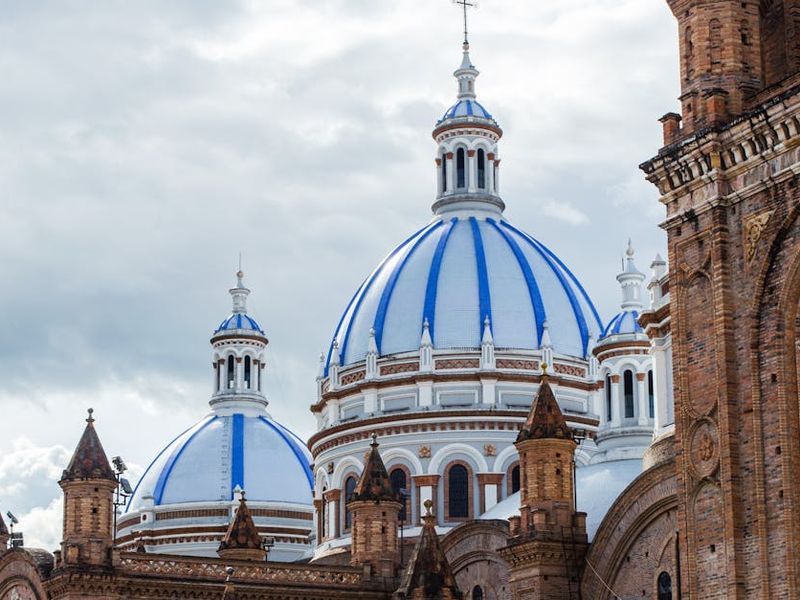
Day 2: Take a breakfast stroll in the historic center, sample street empanadas, and join a midday cooking class or guided food tour. Finish the evening with tapas along Calle Larga or a rooftop bar overlooking the illuminated cathedral.
Final Tips to Maximize Your Culinary Adventure
- Bring cash in small denominations for markets and street vendors.
- Ask about spiciness and ingredients if you have allergies — Ecuadorian cuisine uses a variety of peppers and herbs.
- Reserve dinner spots for popular restaurants, especially on weekends.
- Keep a flexible schedule — the best meals often come from unplanned discoveries and vendor recommendations.
Cuenca is a city where food tells the story of place: Andean staples, coastal influences and an increasing international presence combine to create a palate of surprising contrasts. Whether you’re sampling hominy at sunrise, savoring a slow-roasted hornado in a family-run comedor, or enjoying a modern tasting menu with Andean touches, eating in Cuenca is an adventure that rewards curiosity, patience and a good appetite.