
Table of Contents
Welcome to Cuenca: A Different Kind of Fast
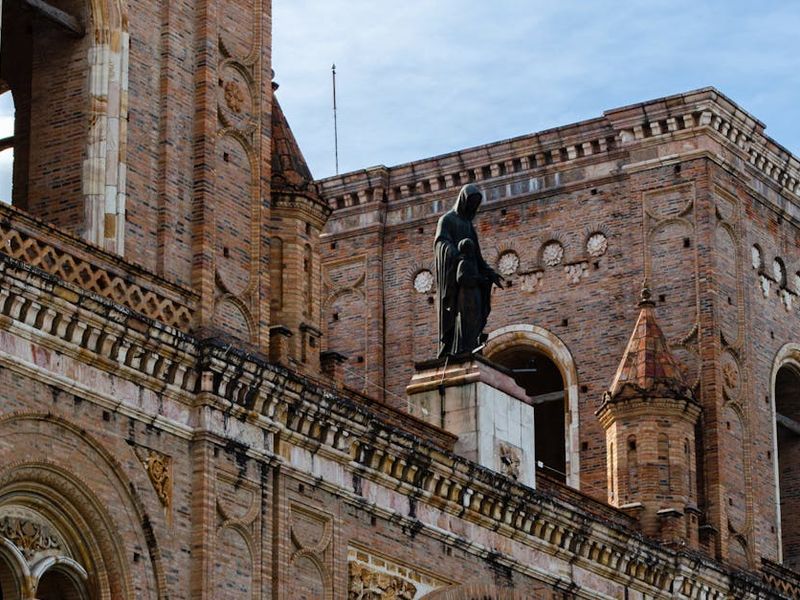
If you’re moving to or visiting Cuenca expecting a rush-hour rush, prepare for a pleasant surprise. This southern Andean city—famous for its red-domed cathedral, tree-lined rivers, and colonial center—operates on a gentler timetable. Embracing Cuenca’s relaxed tempo is less about surrender and more about intentional adaptation. Below are practical, on-the-ground tips to help you settle in, feel productive, and enjoy the advantages of a slower pace.
Understand the Local Rhythm
Cuenca’s life revolves around the central plazas, neighborhood markets, and morning coffee rituals. Shopkeepers, bureaucrats, and restaurant servers take their time with service. That doesn’t mean inefficiency—often it’s an emphasis on relationship and care. Expect a slower customer service experience compared with North American or Northern European norms, and plan your day accordingly.
Typical daily patterns
- Early mornings: bakeries (panaderías) fill with locals buying fresh bread; the city is lively for a few hours.
- Midday: many shops and offices slow down; some close briefly for lunch or a siesta-like pause.
- Afternoons: pedestrian streets near the river awaken again; cafés and plazas host long conversations.
- Sundays: the historic center is calmer; some businesses close entirely while others serve brunch-style crowds.
Practical Tips for Adjusting Your Schedule
Accepting a slower pace doesn’t mean becoming unproductive. It means planning smarter. If you need fast turnaround for bureaucratic matters (permits, banking), aim for the first hour a government office opens. For shopping, use larger supermarkets for speed; reserve markets for leisurely browsing and fresh produce. If you rely on services—plumbing, appliance repair—ask for recommended providers and accept that appointments may be measured in days, not hours.
Smart planning strategies
- Batch errands: group appointments and shopping into a single outing rather than back-and-forth trips.
- Use mornings for official business and heavy-duty chores when things move faster.
- Book restaurants or appointments in advance for popular evenings, especially during festivals.
Get Comfortable With Local Transport
Cuenca is compact and walkable, with the historic center easily explored on foot. For longer distances, the Tranvía de Cuenca (tram) connects key areas through the heart of town. Buses are plentiful and inexpensive, while taxis are a common, affordable way to hop across neighborhoods—just confirm fares ahead of time if the meter isn’t used.
Navigation tips
- Walk when you can: the city’s plazas, riverfronts, and parks are most enjoyable on foot.
- Use the tram for predictable, fast trips through central corridors.
- Agree on taxi fares in advance in neighborhoods where meters aren’t used regularly.
- Renting a car is optional; many expats prefer not to drive due to narrow streets and parking limits.
Climate and Altitude: Practical Health Measures
Cuenca sits at roughly 2,500–2,600 meters (about 8,200–8,530 feet) above sea level, giving it a consistently mild, spring-like climate year-round. Days can be bright and cool; nights can be chilly. The altitude and intense UV radiation require attention, but most people adapt quickly.
How to acclimatize and stay healthy
- Hydrate: drink plenty of water during your first week to help your body adjust.
- Layer clothing: morning and evening temperatures differ; a light jacket or sweater is essential.
- Protect your skin: use sunscreen daily—UV is stronger at altitude.
- Take it easy for the first 48–72 hours: avoid heavy physical activity until you feel comfortable.
Food, Markets, and the Joy of Slow Eating
One of the best parts of Cuenca’s relaxed pace is food culture. Local markets offer a dazzling array of fruits, vegetables, and Andean specialties. Dining out is often a social event: meals are savored, not rushed. Embrace long lunches and late-afternoon coffee rituals to get the most from local cuisine.
Where to shop and eat
- Visit the Mercado 10 de Agosto for fresh produce and traditional foods—great for learning local ingredients.
- Explore riverside cafés along the Tomebamba for relaxed afternoons and people-watching.
- Try neighborhood bakeries and fondas (small family restaurants) for home-style meals at friendly prices.
- Learn to love market hours: mornings are busiest and freshest; vendors may pause mid-afternoon.
Build Community: Make Connections Slowly
The best way to feel at home in Cuenca is to cultivate relationships. The city’s social life naturally moves at a measured tempo—meaning friendships often deepen through consistent, low-key interactions rather than fast-paced networking.
Ways to meet people and integrate
- Take Spanish classes not just to learn the language but to meet locals and fellow expats.
- Attend cultural events at the Casa de la Cultura or the Pumapungo museum to mingle with residents.
- Join hobby groups—photography walks, hiking groups for Cajas National Park, or dance classes—to socialize around shared interests.
- Volunteer with local NGOs or animal shelters to build meaningful ties and practice Spanish in real contexts.
Expectations Around Service and Bureaucracy
Public offices and commercial services often operate at their own pace. Patience is a practical virtue in Cuenca. Bring your documentation in order, arrive early, and be prepared to wait or return another day. On the flip side, when someone gives you dedicated time, they often do so with greater attention and follow-through than you might expect elsewhere.
Tips for smoother dealings
- Carry the original and copies of important documents when dealing with government offices.
- Use local recommendations for professionals (lawyers, accountants, notaries) to avoid delays.
- Bring snacks and a book—waiting is part of the rhythm, and being prepared reduces frustration.
Healthcare and Insurance
Cuenca offers good-quality medical care, including public hospitals and private clinics. Many expats choose to maintain international or private health insurance to access private hospitals and faster appointments. Pharmacies are easy to find, and many medications are available without a prescription—although it’s wise to consult a doctor for ongoing conditions.
Practical healthcare pointers
- Ask about local specialists and clinics recommended by other expats or locals.
- Register with a trusted doctor soon after arrival for checkups and to build a relationship for future needs.
- Keep copies of medical records and insurance information in both digital and physical forms.
Finances, Shopping, and Everyday Logistics
Ecuador uses the U.S. dollar, which simplifies pricing and budgeting for many foreigners. Supermarkets such as Supermaxi and smaller neighborhood tiendas coexist, offering convenience when you want it and market-fresh bargains when you don’t. ATMs are widely available, but it’s smart to carry some cash for market purchases and small services.
Money tips for daily life
- Use ATMs in bank lobbies for added security and lower fees.
- Keep small bills for buses, taxis, and market purchases.
- Check bank hours; some close mid-afternoon or on certain weekdays.
Practical Communication: Language and Etiquette
Spanish is the dominant language. Even a few phrases will endear you to neighbors, shop owners, and officials. Cuencanos are warm and polite—greetings matter. A handshake or single cheek kiss among acquaintances is common; use greetings and basic courtesies to build rapport.
Useful language and etiquette practices
- Learn everyday phrases: greetings, polite requests, and how to ask for directions.
- Address older people with “usted” as a sign of respect until invited to use first names or “tú.”
- Practice active listening: conversations often prioritize relationship-building over directness.
Enjoying Free Time: Nature, Culture, and Leisure
Cuenca’s slower tempo makes it an ideal base for exploring art, history, and nature without feeling rushed. Pumapungo museum offers archaeology and local history, while weekend trips to Cajas National Park deliver lakes, hiking trails, and highland scenery. The riverside promenades invite evening strolls that are as social as they are scenic.
Activity ideas
- Join a guided hike to Cajas National Park for a full-day nature reset.
- Attend a live music night or a cultural festival in the historic center—these are perfect for soaking up local life.
- Spend lazy afternoons in riverside cafés reading, working, or practicing Spanish with locals.
Mindset Shifts for a Fulfilling Transition
Ultimately, adjusting to Cuenca’s relaxed lifestyle is about recalibrating expectations. Replace the need for immediate answers with curiosity and persistence. Turn waiting into an opportunity: read, observe daily rhythms, or build relationships. When you stop fighting the city’s tempo and instead design your life around it, you’ll discover deeper satisfaction, better mental health, and a richer daily experience.
Final quick checklist
- Learn basic Spanish and carry a phrasebook or app.
- Plan errands in the mornings and easy afternoons for relaxed activities.
- Hydrate and layer for altitude and climate changes.
- Build a local network through classes, volunteering, and cultural events.
- Carry some cash, use reputable taxis or the tram, and choose recommended service providers.
Cuenca rewards those who slow down with it. Make room in your schedule for long coffee conversations, weekend hikes into the highlands, and afternoons spent wandering cobblestone streets. With some planning, an open mind, and friendly patience, you’ll not only adjust—you’ll thrive in this city where life moves at a human pace.