
Table of Contents
Why Cuenca’s Markets Are a Must-Visit
Cuenca’s markets are more than shopping stops — they are living snapshots of Ecuadorian daily life. At roughly 2,560 meters above sea level, the city’s cool, springlike climate produces a dazzling range of Andean fruits, tubers and herbs year-round, while generations of artisans keep traditional crafts vibrant. For newcomers and long-term residents alike, wandering through Cuenca’s markets is the quickest way to taste the local palate, meet producers, and bring home one-of-a-kind handicrafts.
Types of Markets to Know
Not all markets in Cuenca serve the same purpose. Here are the common formats you’ll encounter:
- Central municipal markets—large indoor complexes with fresh produce stalls, meat and fish counters, bakeries and small restaurants.
- Weekly farmers’ markets (ferias libres)—outdoor gatherings in neighborhood plazas where farmers bring straight-from-the-field produce.
- Flower and plant markets—vivid stalls near rivers and plazas selling bouquets, seedlings and ornamental plants.
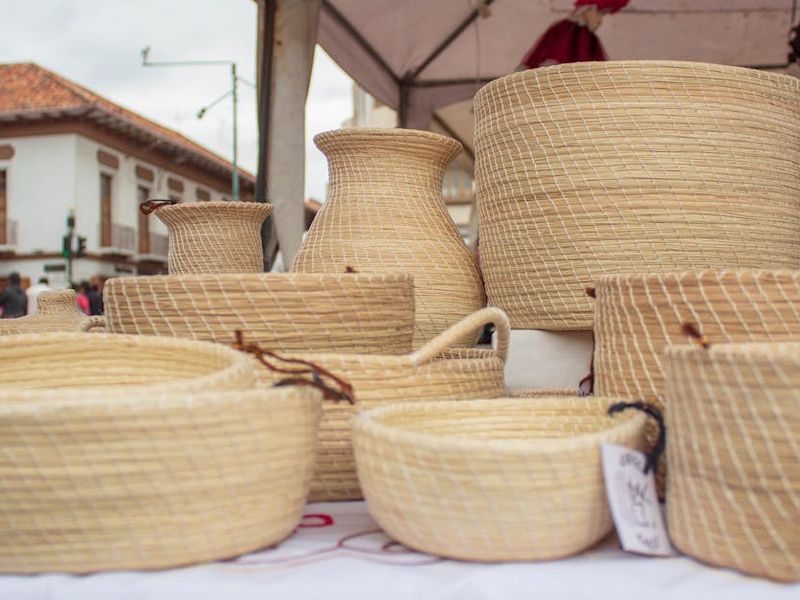
- Artisan bazaars—clusters of shops or temporary fairs with textiles, tagua jewelry, ceramics and leatherwork.
- Tourist-focused craft markets—organized spaces near the historic center where artisans sell woven goods, hats and souvenirs.
Top Market Destinations in Cuenca
Below are the best places to find fresh local produce and authentic crafts. Each spot has a different rhythm and personality—visit several to get the full picture.
Central Market (Mercado Central / Mercado 9 de Octubre)
The city’s main covered market is where locals shop daily. Expect aisles of fruits and vegetables stacked high, whole wheels of local cheeses, sacks of grains and spices, and lively food stalls dishing up Ecuadorian favorites. It’s the best place to source staples like potatoes in many varieties, mote (hominy), Andean beans, and herbs for cooking.
Practical tip: Go early—between 7:00 and 10:00 a.m.—for the freshest selection and the most lively atmosphere. Bring small bills and coins; many vendors prefer cash and will appreciate exact change.
Neighborhood Farmers’ Markets (Ferias Libres)
Throughout Cuenca, different barrios host weekend or midweek farmers’ markets where producers from surrounding valleys sell directly to shoppers. These ferias are ideal for seasonal fruit—think tree tomatoes (tomate de árbol), uchuva (goldenberries), curuba and granadilla—and heirloom Andean potatoes you won’t see in supermarkets.
Pro tip: Ask vendors about how the produce was grown. Many small growers still use traditional methods and may offer organic or low-chemical produce even if not formally certified.
Flower and Plant Markets (Plazas de Flores)
Colorful flower stalls are a common sight near the riverbanks and smaller plazas. These markets are perfect for buying cut flowers, potted plants or tiny herb seedlings to start a balcony garden. Floral sellers often source from nearby highland nurseries, so you can find hardy, high-elevation varieties suited to Cuenca’s climate.
Practical tip: If you’re buying plants to keep, ask about care in Cuenca’s altitude and morning sun exposure—sellers will know what thrives locally.
Artisan Bazaars and Calle Larga
Cuenca’s historic center contains a cluster of artisan shops and regular craft fairs, particularly around Calle Larga and the plaza areas. Here you’ll find woven alpaca and wool garments, hand-stitched leather goods, tagua (vegetable ivory) jewelry, pottery, and silver filigree—traditional crafts with regional styles and motifs.
Tip for shoppers: Look for quality indicators—tight weaving, consistent stitching, and natural dyes on textiles. For jewelry, tagua pieces should feel substantial and well-finished.
Pumapungo Museum Craft Stalls and Surroundings
The area around the Pumapungo Museum often hosts craft vendors showcasing indigenous techniques and replicas of Pre-Colombian styles. This is a good spot to learn about cultural context before buying and to find pieces that reflect local history.
What to Buy: Seasonal Produce Guide
Cuenca’s markets offer both everyday staples and seasonal surprises. Knowing what to look for helps you make the most of each visit.
- Year-round staples: Potatoes (many Andean varieties), corn and mote, beans, onions, tomatoes, avocados, and leafy vegetables like arugula and lettuce.
- Highland fruits in season: Tree tomato (tamarillo), curuba (banana passionfruit), granadilla, and uchuva. These are bright and tangy—great in juices or desserts.
- Unique finds: Chocho (lupin beans) and maduros (plantains) are common in the markets and used in traditional dishes.
- Dairy and proteins: Local fresh cheeses, smoked or cured meats, and market stalls selling fresh trout or river fish depending on availability.
Buying Handicrafts: Know What Counts
Cuenca is a hub for Ecuadorian crafts—many items are made in nearby towns or by indigenous artisans. When shopping for handicrafts, consider:
- Materials: Alpaca and sheep’s wool are warm and durable. Tagua (vegetable ivory) is an ethical alternative to animal ivory and polishes to a smooth finish. Silver filigree is a highlight of local jewelry.
- Techniques: Hand-loomed textiles, backstrap weaving, hand-carved wood and pottery are worth paying extra for because they preserve traditional methods.
- Authenticity: Ask vendors where items were made. Pieces crafted by named artisans or cooperative groups often come with stories and better quality.
Bargaining, Pricing, and Fair Trade Considerations
Haggling is common in open-air markets but always be polite. Start by asking for the price, then offer 10–20% less if you’re comfortable negotiating. If a vendor says a price is firm, consider whether the reduced amount is worth the item and the artisan’s time.
For valuable handicrafts, think beyond price: paying a fair sum helps support families and preserves craft traditions. Look for cooperatives or stalls that display a group’s name—these often invest back into the artisan community.
Tips for Getting the Best Quality
Whether buying food or crafts, these practical tips will help:
- Arrive early for the best selection; arrive later for possible discounts as vendors clear stock.
- Bring a reusable tote or sturdy bag—market crates and plastic bags are plentiful, but a strong bag protects fragile items.
- Carry small denominations and coins; many stalls don’t make change for large bills.
- Smell, touch and inspect produce—fresh leafy greens should be crisp, fruit should have a healthy aroma, and tubers should be firm.
- If buying perishable items to store in an apartment, ask vendors for tips on refrigeration or best-use windows.
How to Get There and When to Visit
Most of Cuenca’s markets are clustered reasonably close to the historic center and are easy to reach by taxi or bus. Biking or walking is pleasant in the compact downtown, especially along the Tomebamba River where some craft stalls and cafés sit.
Timing matters: weekday mornings are perfect for routine shopping, while weekends bring lively craft fairs and special markets. If you’re planning to take photos, morning light is gentle and market colors are vivid.
Eating at the Market: Local Snacks Worth Trying
Markets are culinary microcosms. Look for vendors serving quick, affordable plates that show local flavors. Try:
- Llapingachos: potato patties often served with egg, chorizo or avocado.
- Empanadas and humitas: corn-based snacks, sometimes sweet and sometimes savory.
- Fresh fruit juices: mixed cups with seasonal fruits like tree tomato, curuba and papaya make for refreshing samples.
- Local cheeses and small sandwiches: ideal for a mid-shopping bite.
Supporting Local Producers and Responsible Purchasing
Buying at markets is a direct way to support small-scale farmers and craftspeople. To make your purchases more impactful:
- Ask about origin—small producers often proudly share where their crops were grown.
- Choose naturally dyed and hand-finished textiles over mass-produced souvenirs.
- Consider buying fewer, better-made items to reduce waste and support artisans’ livelihoods.
Practical Safety and Health Tips
Markets are generally safe and friendly, but keep common-sense precautions in mind: secure your personal items, avoid leaving bags unattended, and use hand sanitizer after handling money and produce. If you have digestive sensitivities, eat cooked foods at market stalls rather than raw salads.
Bringing Goods Home: Packing and Shipping
If you’re a visitor wanting to take fragile crafts or bulk produce home, plan ahead. Lightweight textiles and tagua jewelry travel easily; fragile ceramics benefit from layered clothing as padding. For larger purchases, many shops can arrange local shipping or packing services—ask for invoices and contact details for customs if you’re taking goods abroad.
Final Advice: Slow Down and Explore
Markets in Cuenca reward slow exploration. Spend time talking to vendors, asking about their growing or making processes, and sampling unfamiliar fruits. You’ll find produce and crafts that tell stories about the highlands, the people who tend the land, and the artisans who keep traditions alive. Whether you’re furnishing a rented kitchen with fresh staples or hunting for an heirloom-quality woven blanket, Cuenca’s markets connect you to the city’s living culture.
Ready to start your market tour? Pick one central market for your first morning, then wander a neighborhood feria on a weekend to compare seasonal offerings. Bring curiosity, a reusable bag, and an appetite for discovery.