
Table of Contents
Why spend a week in Cuenca?
Cuenca is one of Ecuador’s most atmospheric cities: colonial architecture, a lively cultural scene, and easy access to highland nature. A single day won’t do it justice. Seven days gives you time to absorb the rhythms of the city, try local food, see nearby archaeological sites and national parks, and slow down enough to feel like a temporary resident rather than a hurried tourist.
Quick essentials before you go
Cuenca sits at about 2,560 meters (8,400 feet), so plan for altitude adjustment the first 24–48 hours. The city uses the US dollar, ATMs are common, and Spanish is the everyday language — though many hospitality workers speak English. The climate is mountain-temperate: pack layers, a waterproof jacket, and comfortable walking shoes.
Practical tips
- Airport: Flights arrive at Mariscal Lamar Airport. Schedule airport transfers in advance if possible.
- Bus connections: Long-distance buses link Cuenca with Quito and Guayaquil; travel times vary (expect several hours), and overnight buses are common.
- Electrical plugs: Ecuador uses 120V with type A/B plugs — bring an adapter if needed.
- Money and tipping: Cash is widely used. A 10% tip is customary where service isn’t included.
Where to stay: neighborhoods that fit different travel styles
Choosing the right neighborhood changes your experience. The Centro Histórico puts you within walking distance of the cathedral, museums, and riverside promenades. El Vergel and San Blas are quieter, with leafy streets and local cafés. Turi sits on a hill above the city with sweeping views and is great if you want a restful base with easy access to the Mirador de Turi.
How to spend your seven days: a flexible day-by-day plan
This itinerary balances cultural sites, neighborhood wandering, food experiences, and two full day trips outside the city. Each day includes morning and afternoon suggestions plus evening options.
Day 1 – Arrival and first impressions
Morning: Arrive and check into your accommodation. Take it easy your first morning to adjust to altitude — hydrate and avoid heavy exertion.
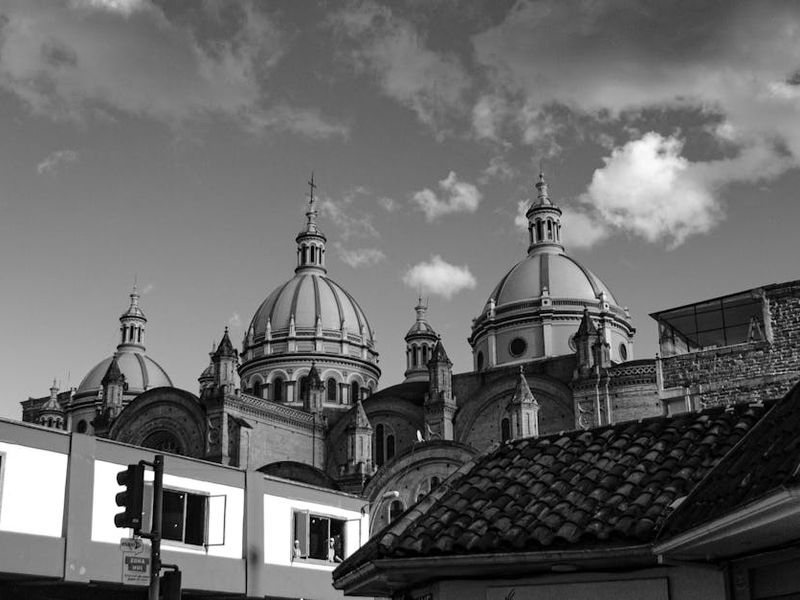
Afternoon: Walk to Parque Calderón, the heart of the Centro Histórico. Admire the cathedral with its striking blue domes, and meander along Calle Larga for cafés and artisan shops.
Evening: Enjoy a relaxed dinner near the park. This is a good night to sample Ecuadorian comfort food like llapingachos (potato cakes) or a simple roast.
Day 2 – Museums and riverside walks
Morning: Visit Museo Pumapungo to learn about the region’s indigenous cultures and see short Inca-era ruins juxtaposed with ethnographic exhibits.
Afternoon: Stroll along the Tomebamba River promenade. Cross the hanging bridges that link the historic center to newer neighborhoods. Pop into small galleries and chocolate shops along the way.
Evening: Try a local coffeehouse for dessert and some people-watching. If you’re interested in music, check listings for live shows in small venues.
Day 3 – Markets, cooking class, and artisan neighborhoods
Morning: Explore Mercado 10 de Agosto and surrounding food stalls. This is where locals buy produce, cheese, and street snacks. Consider a guided market tour to learn about regional ingredients and culinary customs.
Afternoon: Take a cooking class that starts with a market visit and finishes with cooking traditional dishes such as mote pillo or hornado. Alternatively, head to the artisan neighborhoods of Gamarra and Calle Larga to shop for textiles and Panama-style hats.
Evening: Have dinner at a bistro that blends Ecuadorian ingredients with contemporary cuisines. Cuenca’s dining scene is surprisingly inventive.
Day 4 – Day trip to Cajas National Park
Full day: Reserve a full day for Parque Nacional Cajas, a highland páramo with hundreds of glacial lakes, peat bogs, and brisk walking trails. The park sits west of Cuenca and offers options from short scenic walks to multi-hour hikes. Bring warm clothes, water, sun protection, and sturdy boots. Wildlife includes Andean condors and various waterfowl; the landscape is superb for photography.
Evening: Return to Cuenca and enjoy a simple meal — you’ll appreciate something warm after a chilly day in the páramo.
Day 5 – Ingapirca and Cañar
Full day: Head to the Ingapirca archaeological complex, Ecuador’s largest known Inca ruin. Explore the elliptical Temple of the Sun and learn about Cañari and Inca history through interpretive displays. Many day tours combine Ingapirca with visits to small Andean towns or markets.
Evening: Back in Cuenca, try a regional specialty you haven’t sampled yet, such as cuy (roasted guinea pig) if you’re adventurous — it’s a traditional celebratory dish.
Day 6 – Gualaceo, Chordeleg and the artisan circuit
Full day: Visit Gualaceo for its textiles and Chordeleg for silver jewelry. Both towns are within easy driving distance and are known for skilled artisans producing high-quality goods. Stroll cobbled streets, visit workshops, and consider picking up a handcrafted souvenir like a woven scarf or fine silver piece.
Evening: Return to Cuenca for a relaxed evening. If you purchased artisan goods, ask vendors about care instructions — many textiles are hand-wash only.
Day 7 – Local neighborhoods, viewpoints and farewell
Morning: Explore neighborhoods you haven’t seen yet — San Sebastián has quiet plazas and small cafés. Visit a local bakery for fresh bread and pastries.
Afternoon: Take a short taxi or hike up to the Mirador de Turi for panoramic city views. Spend your last afternoon revisiting a favorite spot or buying last-minute souvenirs.
Evening: For your final night, choose a restaurant with a view of the cathedral or river promenade and savor a slow meal while reflecting on your week.
Best food and drink to try in Cuenca
Cuenca is a great place to taste Andean specialties. Don’t miss hornado (slow-roasted pork), llapingachos, and mote (hominy) dishes. For snacks, try empanadas de viento and sweet corn-based treats. Coffee and chocolate are outstanding — seek out roasters and chocolatiers for tastings. If you want a culinary souvenir, bring home roasted coffee beans or artisanal chocolate bars.
Markets, shopping, and artisan tips
Cuenca is a hub for Ecuadorian crafts. Look for handwoven textiles, Panama-style hats (many are made in nearby towns), and silver jewelry from Chordeleg. Haggling is part of the culture in small markets — bargaining a bit is acceptable, but be respectful. If a shop offers a certificate of authenticity for silver or fine items, keep it for customs and resale value.
Getting around the city
The historic center is compact and extremely walkable. For longer trips, taxis are inexpensive; agree on a fare before getting in if the driver doesn’t use the meter. Buses run through the city on main routes and are cheap — carry small change. Many visitors walk between major sights and use taxis for day trips or trips to hillside viewpoints.
Health, safety and altitude advice
Altitude effects are common; drink plenty of water, avoid alcohol your first day, and eat lighter meals until you feel acclimated. If you plan strenuous hikes, allow time to adjust. Cuenca is considered one of Ecuador’s safer cities, but standard urban precautions apply: keep valuables secure, avoid poorly lit streets late at night, and use registered taxis or taxi stands. Carry photocopies of your passport and important documents rather than originals when sightseeing.
Seasonal considerations and festival highlights
The highlands have a fairly steady temperature year-round, but there is a distinct wet season (roughly December to May) and dry season (June to November). Cultural life intensifies around major dates such as Semana Santa and independence celebrations in early November. If you can, time your trip to overlap with a local festival for parades, traditional music, and extra markets — but book accommodation early during peak events.
Estimated costs and budgeting tips
Cuenca can be very affordable. Budget travelers can manage on about USD 25–40 per day by staying in hostels, eating market food, and using public transport. Mid-range travelers might expect USD 60–120 per day for comfortable guesthouses, occasional guided tours, and dining at local restaurants. Luxury travelers will find boutique hotels and fine dining for USD 150+ per day.
Save money by eating where locals do, buying snacks at markets, and taking public buses for short trips. For day tours, compare prices and read recent reviews — many independent guides offer excellent, personalized trips.
Sample packing list for a week in Cuenca
- Layered clothing (light shirts, fleece or sweater, lightweight waterproof jacket)
- Comfortable walking shoes or lightweight hiking boots
- Sunscreen, sunglasses, hat — sun is strong at altitude
- Reusable water bottle and small daypack
- Plug adapter if needed and a portable charger
- Copies of important documents and emergency contact numbers
Responsible travel and local etiquette
Support local businesses by shopping at artisanal workshops and eating at family-run restaurants. Ask permission before photographing people, especially in indigenous communities and traditional markets. Respect local conservation rules in places like Cajas National Park: stay on trails and pack out what you bring in. Learn a few basic Spanish phrases — locals appreciate the effort and it enriches interactions.
Final tips for making the most of your week
Balance structured activities with free time. Some of the most memorable moments in Cuenca come from unplanned encounters: a street musician in Parque Calderón, a coffee tasting at a neighborhood café, or a slow afternoon on a riverside bench. Keep a flexible day or two in your schedule to revisit favorites or take spontaneous day trips recommended by locals.
One week in Cuenca is enough to see the highlights and still leave room for discovery. With careful planning, a willingness to wander, and respect for local culture, you’ll return home with a deeper appreciation for Ecuador’s southern highlands and a handful of stories — plus maybe a few handcrafted souvenirs — to keep the memories alive.