
Table of Contents
Why Cuenca’s Markets Are a Must-Explore
Cuenca’s market scene is the heartbeat of the city: a colorful mash-up of high-Andean produce, coastal fruits, handmade goods and street food. Whether you live here or are visiting for a weekend, the markets offer a sensory overview of Ecuador’s biodiversity and artisan traditions. They’re where farmers, cooks, textile artists and hat weavers meet customers—and where you can get the freshest ingredients and most authentic souvenirs at fair prices.
How Cuenca’s Market Calendar Works
Unlike a single big supermarket, Cuenca’s shopping options are woven into neighborhoods. There are daily central markets, smaller neighborhood stalls, and weekly “ferias” (open-air farmers’ markets) that pop up on certain days. Most markets start early—sellers often arrive before 7:00 AM—so the best selections are available in the morning. By midday many vendors start to pack up, so plan for an early visit to enjoy cool temperatures and the most variety.
Top Market Hubs to Visit
Here are the places locals and expats recommend for the best blends of produce and crafts. Each has a different character, so consider visiting two or three in one trip.
Mercado 9 de Octubre (Central Market)
Right in the historic core, this bustling market is central for a reason. Expect long aisles filled with fruits, vegetables, grains, dairy and meat. You’ll find Ecuadorian staples like tomatillo (tomate de árbol), naranjilla, fresh corn, and multiple potato varieties. There are also butcher stalls, floral vendors, and small eateries serving soups and ceviche—perfect for an inexpensive, authentic meal after you shop.
Neighborhood Ferias (Weekly Farmers’ Markets)
Each neighborhood tends to host its own feria on a set weekday or weekend. These open-air markets often feature local farmers who bring produce straight from the surrounding valleys and highlands. Beyond vegetables and fruit, you’ll often find homemade cheese, panela (unrefined cane sugar), eggs, and seasonal preserves. The atmosphere is less hectic than the central market and a great place to buy directly from family farmers.
Artisan Corridors in the Historic Center
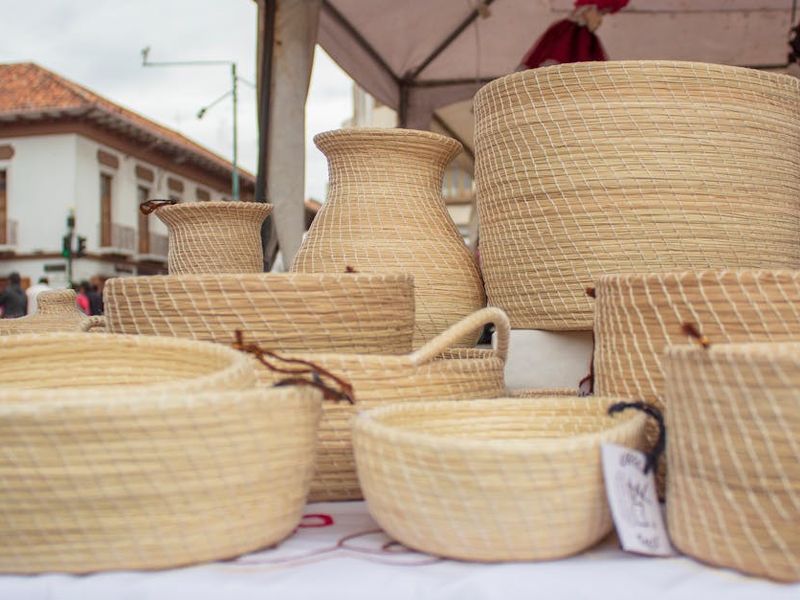
Walking the streets around Parque Calderón and the cathedral, you’ll find rows of shops and small stalls selling traditional crafts: toquilla (Panama) hats, alpaca and pima cotton garments, leather shoes and bags, silver jewelry, and ceramics. These spots are ideal if you’re after high-quality handmade pieces and want to compare a few options in walkable proximity.
Specialty Markets & Pop-Ups
Keep an eye out for seasonal pop-ups and fair-style markets dedicated to organic food, chocolate, coffee, or crafts. These events bring together artisans from the broader Azuay province and are a great way to sample single-origin coffee beans, artisanal chocolate bars, and gourmet condiments made with Ecuadorian ingredients.
What to Buy: Fresh Produce You Won’t Find Elsewhere
Cuenca’s location—up in the southern Ecuadorian Andes—gives it unique access to a wide altitude range of produce. Here are specific items to look for and how to use them:
- Tomate de árbol (tree tomato) – Tart and tangy; great for juices, sauces, and chutneys.
- Naranjilla – A citrus-like fruit used for smoothies and desserts.
- Moras (blackberries) – Fresh for tarts or blended into juices.
- Uchuva (goldenberry/physalis) – Tasty fresh, in jams, or candied.
- Potatoes and tubers – Thousands of native potato varieties; try different textures for soups and stews.
- Fresh herbs – Culantro, cilantro, and local greens add bright flavor to dishes.
- Cheeses and dairy – Local fresh cheeses are common at neighborhood stalls.
Seasonality matters: you’ll see different fruits at different times of year, so ask vendors what’s best that day—they’re proud of their harvests and will often point out the sweetest or ripest picks.
Handmade Crafts to Look For
Cuenca is a great place to find gifts that tell a story. Here are items that make meaningful purchases and how to tell quality work from quick souvenirs.
- Toquilla hats – Look for tight, even weaves and a smooth brim. Finer weaves are pricier but last longer and are more flexible.
- Textiles and alpaca garments – Check for natural fibers and firm stitching. Alpaca yarns are warm and lightweight.
- Handmade jewelry – Artisans often use silver and local stones. Inspect clasps and soldering for durability.
- Leather goods – Cuenca has skilled leatherworkers; leather should feel supple but solid.
- Ceramics and woodwork – Look for uniform glazes and smooth finishes, signs of careful firing and sanding.
For crafts, buying directly from an artisan or a small cooperative often guarantees higher quality and supports local livelihoods more directly than tourist stalls.
Practical Shopping Tips
Markets come with their own rhythms and etiquette. Use these practical tips to make the most of your visits:
- Bring cash and small bills — Many vendors are cash-only and may not have change for large notes. While larger shops accept cards, cash keeps transactions quick at stalls.
- Bring reusable bags — Plastic usage is limited in some spots and vendors appreciate durable bags for heavy produce.
- Go early — Best selection and coolest temps; arrive before 9:00 AM on busy days.
- Weigh and inspect — Some vendors sell by the kilo; check produce and confirm price/weight before paying.
- Haggle politely on crafts — Reasonable bargaining is common, but avoid aggressive tactics. Start a bit below the asking price and smile.
- Ask for uses and recipes — Vendors and cooks love to share preparation tips for unfamiliar items.
Eating and Sampling While You Shop
Sampling is part of the market culture. Small eateries and street stalls serve typical Ecuadorian dishes that are ideal for a market lunch. Try a steaming bowl of locro (potato and cheese soup) or a plate of seco or hornado if you want something heartier. Fresh fruit juices—naranjilla, mora or mixed blends—are excellent ways to cool down and taste ingredients before buying.
If you’re cautious about hygiene, stick to busy stalls (high turnover means fresher food), and opt for cooked dishes over raw street salad preparations. Bring hand sanitizer for peace of mind.
Navigating Logistics: Getting There and Safety
Markets are spread across the city, and most are accessible by bus, taxi or a short walk from the historic center. Wear comfortable shoes—cobblestones, uneven pavement and narrow aisles are common. Keep your bag zipped and close to your body; pickpocketing is rare but crowds can be tight. If you plan to carry a lot, consider a backpack with padded straps to distribute weight.
If you’re shopping for fragile crafts, ask vendors for simple wrapping or bring bubble wrap if you have fragile items. Many sellers are used to catering to tourists and will carefully pack hats, ceramics or jewelry for travel.
Storing and Using Market Purchases
To make the most of your haul:
- Store delicate berries in the fridge and use within a few days.
- Root vegetables and hard fruits often keep longer in a cool, dry place.
- Cheeses should be wrapped and refrigerated promptly.
- Freeze or can surplus fruit—many expats make marmalade or freeze pulped fruits for smoothies later.
If you’re buying large quantities of seasonal produce, split shopping days to avoid waste and rotate meals around what’s freshest.
Supporting Local Producers Responsibly
Buying at markets helps sustain small farmers and artisans. To maximize your impact, consider these approaches:
- Buy in-season—this supports local cycles and reduces pressure on fragile ecosystems.
- Purchase directly from farmers or co-ops when you can—cuts out middlemen and gives more income to producers.
- Choose ethically produced crafts—ask about materials and techniques. Look for cooperatives that guarantee fair payment.
Respectful behavior—polite bargaining, asking before photographing people’s stalls, and learning a few Spanish phrases—goes a long way toward building rapport in the market community.
Making Market Visits Part of Your Routine
For residents, adopting a market routine transforms how you cook and eat. Weekly trips to neighborhood ferias let you plan meals around fresh finds, and repeated visits help you build relationships with specific vendors who will recommend new varieties and hold back the best produce for you.
For visitors, even one market visit is enough to get a snapshot of Cuenca’s culinary and craft culture. Combine a market stop with a walking tour of the historic center, a coffee at a nearby café, or a picnic in one of the city’s parks using market-bought goods.
Final Thoughts
Cuenca’s markets are a living network of tradition, flavor and craft. You’ll leave with much more than groceries—a deeper sense of place, new culinary ideas and unique handmade items that carry local stories. Approach the markets with curiosity, a readiness to try new things, and respect for the vendors; you’ll find them generous with knowledge and eager to share the best of Azuay province.
Whether you’re shopping for the week’s produce, hunting for a quality toquilla hat, or simply exploring, set aside a morning to wander a Cuenca market. You’ll discover why so many people fall for this city’s vivid markets and keep returning season after season.