
Table of Contents
Why Cuenca is a Smart Choice for Dental Care
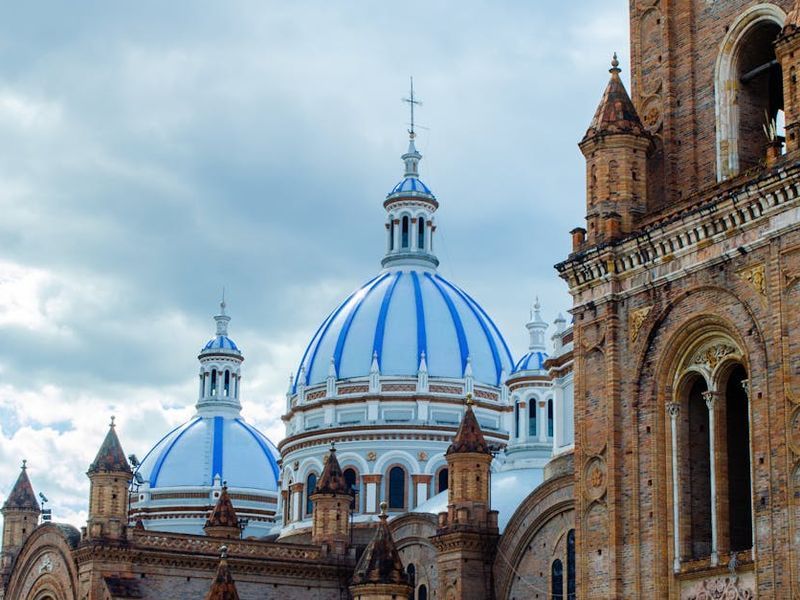
Cuenca, Ecuador has quietly become a top destination for people combining dental care with travel. With a pleasant highland climate, a compact historic center, and a growing number of dental clinics catering to foreigners, it offers an attractive mix of affordability and convenience. Many expats and retirees live in Cuenca year-round, and local providers are experienced working with international patients.
Understanding the Big Picture: Costs, Quality, and Time
Before you book a flight, set clear expectations about cost, timeline, and quality. Dental prices in Cuenca are often lower than in North America and Europe, but ranges vary depending on materials and the provider’s experience. Expect substantial savings on crowns, bridges, and implants—but always get detailed quotes. Crucially, some multi-step procedures require several visits or local healing time, so plan for a stay long enough to complete treatment and any immediate follow-up care.
Typical timeline scenarios
- Single appointment procedures (cleanings, simple fillings): 1–3 days.
- Multiple-step treatments (crowns, veneers): 7–10 days to allow lab work and fittings.
- Implants and extensive restorations: several weeks to months, often requiring a staged plan with initial surgery and delayed prosthesis placement.
Finding the Right Clinic in Cuenca
Choosing a clinic is the most important decision. Look for clean, modern facilities with visible sterilization procedures and up-to-date equipment such as digital X-rays. Clinics that frequently treat foreign patients will often provide written treatment plans in English and may arrange airport pickup and accommodation recommendations.
How to vet clinics and dentists
- Check online reviews—Google, Facebook, and expat forums (e.g., Cuenca expat groups) are invaluable.
- Ask for before-and-after photos and references from past international patients.
- Confirm the dentist’s training and memberships: ask about university credentials and any professional associations in Ecuador.
- Request a detailed written estimate that lists materials, brands (e.g., type of crown material, implant brand), and any warranties.
- Speak directly with the dentist (Zoom or WhatsApp is common) to evaluate communication and comfort level.
Language and Communication Tips
Spanish is the primary language in Cuenca, but many clinics that serve foreigners have staff who speak good English. Still, language gaps can exist—bring a translator app, prepare a list of questions in Spanish, or arrange an interpreter for complex consent discussions. Save all treatment plans, prescriptions, and radiographs electronically so you can share them with your home dentist if needed.
Travel Logistics: Getting to Cuenca and Getting Around
Cuenca’s Mariscal La Mar Airport (CUE) receives domestic flights and some international connections, but many dental tourists fly into Quito or Guayaquil and take a short domestic flight or a scenic bus ride to Cuenca. Once you arrive, the city is compact and walkable—staying in or near the Historic Center (Centro Histórico) places you close to clinics, restaurants, and pharmacies.
Neighborhoods to consider for your stay
- Historic Center: cobblestone streets, cathedral views, short walks to many clinics.
- El Vergel / Tomebamba riverside: quieter, pleasant riverside walks and cafés.
- Turi: slightly uphill with panoramic views—good for longer stays seeking calm.
Accommodation and Comfort During Treatment
Choose a hotel or Airbnb with comfortable seating and reliable Wi-Fi—you’ll want to rest and keep in touch with family. Look for accommodations within walking distance of your clinic or close to reliable taxis. For multi-day treatments, an apartment-style rental with a kitchenette makes it easier to prepare soft meals and follow dietary instructions during recovery.
Health, Safety and Practical Precautions
Cuenca is generally safe for travelers and expats, but normal urban precautions apply: avoid displaying valuables, use hotel safes, and walk in well-lit areas at night. Carry copies of your passport and insurance information. For medical emergencies in Ecuador, dial 911. Registering travel plans with your embassy or consulate is a smart step for extra support if needed.
Medication, pharmacies, and follow-up
Ecuador uses the US dollar, which simplifies payments. Pharmacies in Cuenca are plentiful; many carry prescription antibiotics and pain relievers commonly used after dental procedures. Major pharmacy chains and independent pharmacies can fill prescriptions—bring your prescription and ask your clinic to write medication names clearly. If you have an allergy or specific medical condition, bring documentation in Spanish and English.
Payments, Insurance, and Financial Tips
Most clinics accept cash (USD), credit cards, and bank transfers. Because Ecuador uses the US dollar, there are no currency conversion complications when coming from the US. Check whether your home dental insurance covers any treatments abroad—many do not, but some travel insurance policies offer limited medical protection. Always get a detailed invoice and ensure any warranties or guarantees for work are written and signed.
Preparing Your Records and Questions
Before traveling, collect your recent dental records: X-rays, a list of current medications, and any treatment histories. Email them to the clinic in advance so the dentist can prepare a treatment plan and an estimated cost. Prepare a concise list of priorities: pain relief, aesthetics, function, and budget—this helps the dentist align recommendations with your goals.
Aftercare: Healing, Diet, and Returning Home
Aftercare is critical to a successful dental vacation. If you have extractions or implant surgery, plan for rest and a soft diet for several days. Avoid smoking and alcohol as they compromise healing. Get clear written aftercare instructions from your dentist—what mouth rinses to use, when to resume regular brushing, and signs of complication. Take photos and keep digital copies of post-op instructions and prescriptions, and arrange remote follow-up if needed.
Coordinating Follow-Up Treatments Back Home
If your procedure requires long-term follow-up (e.g., final crown placement after implant osseointegration), coordinate with your home dentist. Share all records, images, and implant brand information so your local provider can offer continuity. Many Cuenca clinics provide compact treatment summaries designed for foreign patients to bring to their dentists at home.
What to See and Do While You Recover
Cuenca is an excellent place to relax between dental appointments. Take gentle activities that don’t strain you: stroll the Parque Calderón, visit the Pumapungo Museum and ruins, sip coffee in a riverside café along the Tomebamba, or take a short trip to the Cajas National Park for fresh air and scenery. Local markets like the Mercado 9 de Octubre are great for buying soft local foods, fruit, and handmade souvenirs.
Sample Dental Trip Itinerary (7–10 Days)
- Day 1: Arrival, settle into accommodation, light walking around the Historic Center.
- Day 2: Initial consultation, digital X-rays, treatment plan review (possible same-day cleaning).
- Day 3–4: Start of restorative procedures or implant surgery; rest day planned for recovery.
- Day 5–6: Follow-up appointments, impressions for crowns/veneers, lab work initiated.
- Day 7–8: Crown or prosthesis fitting and adjustments; final polishing and instructions.
- Day 9–10: Final check-up, collect documentation and prescriptions, travel home or extend stay for sightseeing.
Red Flags to Avoid
Watch for promises that sound too good to be true: clinics that guarantee impossibly low prices for complex work, providers unwilling to show credentials, or those who pressure you into paying the entire balance upfront with no written contract. Make sure anesthesia and sterilization processes are explained, and avoid any clinic that won’t provide a written treatment plan and informed consent in your language.
Packing Checklist for a Dental Vacation
- Copies of dental records and X-rays (digital and printed).
- List of medications, allergies, and emergency contacts.
- Comfort items: travel pillow, soft snacks, and easy-to-prepare food.
- Phone and charger, a local SIM or roaming plan, and translator app.
- Comfortable clothing and shoes for walking the city between appointments.
Final Tips: Plan Carefully, Stay Flexible, and Enjoy Cuenca
Dental travel to Cuenca can be a great way to get quality care at a reasonable price while exploring one of Ecuador’s most charming cities. Plan carefully: research clinics, communicate clearly, and build buffer days into your schedule for healing and unexpected delays. With the right planning, you’ll leave Cuenca with improved dental health—and memorable experiences from a beautiful colonial city.
Ready to start planning? Begin by reaching out to a few clinics, send your dental records, and compare treatment plans, timelines, and warranties. Then book your flight, reserve a comfortable place to stay, and prepare to combine necessary dental care with a restorative Ecuadorian escape.