
Table of Contents
Introduction — Why Ecuador’s Southern Highlands Deserve a Spot on Your Itinerary
The southern highlands of Ecuador blend cool, crisp mountain air with a strong cultural beat and unexpected pockets of tropical calm. In a relatively compact area you can move from UNESCO-listed colonial streets to cloud-forested national parks and a valley famed for its relaxed pace and conversations about longevity. This guide gives practical, on-the-ground advice for visiting Cuenca, Loja and Vilcabamba — what to see, how to get around, where to eat, and how to plan an itinerary that matches your travel style.
Quick orientation: altitudes, distances and what to expect
These three destinations sit at different elevations, so plan clothing and your first day’s activities accordingly:
- Cuenca — approximately 2,560 m (8,400 ft): cool days, chilly nights; a mild city climate year-round.
- Loja — around 2,060 m (6,760 ft): slightly warmer than Cuenca, with a strong arts and music scene.
- Vilcabamba — roughly 1,500–1,600 m (4,900–5,200 ft): a drier, warmer valley, known as the “Valley of Longevity.”
Travel times by road are reasonable: Cuenca to Loja is typically 3–4 hours by bus, Loja to Vilcabamba about 45–75 minutes, and Cuenca to Vilcabamba roughly 3–4 hours depending on route and stops. Flight options include Cuenca’s Mariscal Lamar (CUE) and Loja’s nearby Catamayo (LOH), both offering connections to Quito or Guayaquil when schedules allow.
Cuenca: colonial charm, museums and mountain access
What to do in the city
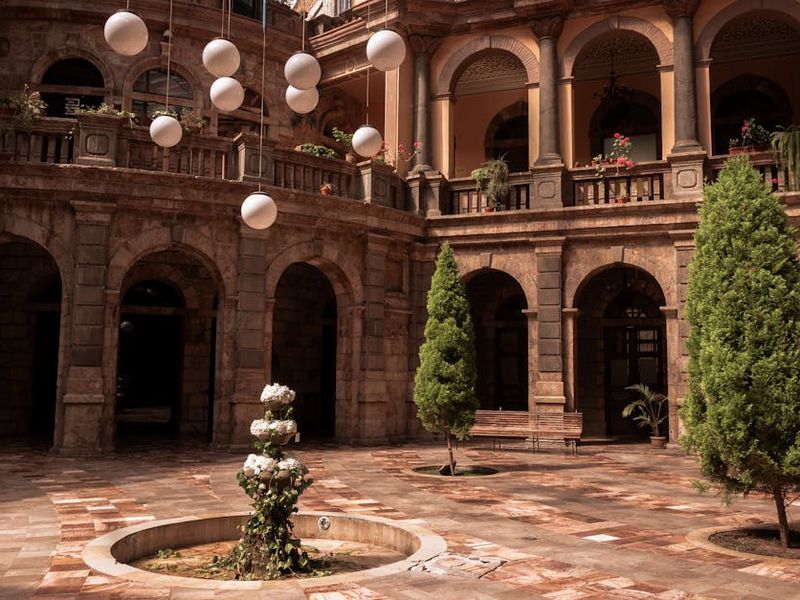
Cuenca’s historic center is one of Ecuador’s most walkable and beautiful. Spend your first morning wandering around Parque Calderón, admiring the imposing Catedral Nueva with its blue domes, then stroll the riverbanks of the Tomebamba where old stone bridges frame city views. Allocate time for small museums — Museo Pumapungo has archaeological pieces and ethnographic exhibits — and explore artisan neighborhoods for jewelry, textiles and ceramics.
Day trips from Cuenca
- El Cajas National Park — an hour west of the city, ideal for day hikes among highland lakes and páramo landscapes. Bring a warm jacket; conditions change quickly.
- Ingapirca — the largest known Inca ruins in Ecuador, about 1–1.5 hours northwest. It’s a good half-day cultural outing.
- Gualaceo and Chordeleg — artisan towns famous for woven goods and silver filigree jewelry; great for shopping and local markets.
Where to eat and drink
Cuenca has a diverse food scene. Sample local favorites like hornado (slow-roasted pork), llapingachos (potato pancakes), and locro de papas (creamy potato and cheese soup). Coffee shops and small bakeries flourish — try a local café for a rich, highland-grown brew. For expat-oriented dining, several restaurants in the historic center offer international and vegetarian menus.
Loja: Ecuador’s musical and cultural hub
Why Loja stands out
Loja is quieter than Cuenca but culturally vibrant. Known for its music conservatories and festivals, Loja retains a provincial yet cosmopolitan air. The city has a compact downtown filled with plazas, churches and a steady calendar of concerts and regional arts events.
Top activities and nearby nature
- Explore the city’s parks and small museums, and check event listings—local venues often host live music, chamber performances and folkloric shows.
- Visit Podocarpus National Park and surrounding cloud forest areas for birdwatching and biodiversity — a paradise for birders and naturalists.
- Take a short trip to the surrounding highlands and thermal springs if you want a relaxing soak after hiking.
Festivals and cultural timing
Loja’s cultural calendar is one of its greatest draws. If possible, try to align your visit with a local festival or concert series — they offer a window into regional music, crafts and food. The city also serves as a sensible base for exploring southern provinces and connecting to Vilcabamba.
Vilcabamba: the valley of good living and slow travel
The vibe and practicalities
Vilcabamba’s claim to fame is its reputation for longevity and a calmer pace of life. The town attracts health-minded travelers, yogis, and people seeking a slower lifestyle. You’ll find alternative health centers, yoga studios, organic cafes and a small but steady expat community. Expect a more rural atmosphere, with simple guesthouses and boutique ecolodges.
Hikes, viewpoints and local life
Explore hikes to nearby viewpoints like Cerro Mandango for sunrise or sunset panoramas. There are several easy to moderate trails that offer valley views, waterfalls and native flora. Wander the town’s streets, visit local markets on market day, and sample fresh fruit and juices at small eateries. If you’re curious about the longevity stories, ask locals about diet, daily routines and community ties—many explanations are cultural rather than scientific.
How to travel between these destinations
Buses, flights and driving
Buses are the most common and budget-friendly option. Comfortable intercity buses run between Cuenca and Loja with departures throughout the day; purchase tickets at the terminal or sometimes in advance through agencies. For faster travel consider short domestic flights to Cuenca or Catamayo (Loja). Renting a car gives maximum flexibility but driving mountain roads requires care — expect winding routes and occasional steep climbs.
Local transit tips
- Taxis in Cuenca and Loja are affordable; in Cuenca, short rides often cost a few dollars. Negotiate or ask for the meter where applicable.
- In Vilcabamba many places are within walking distance, but taxis and moto-taxis are available for short hops.
- Keep printed or digital copies of bus schedules and your accommodation address to show drivers or taxi operators — not everyone speaks fluent English outside major tourist spots.
When to go: climate and packing tips
The southern highlands have a distinct wet and dry season. The dry season (June to September) tends to be sunnier and is often recommended for hiking and clearer views. The rainy season (December to April) brings more frequent showers, especially in the afternoons.
Pack layers: it can be warm in the sun at mile-high altitudes but chilly in the mornings and evenings. Essentials include a lightweight waterproof jacket, sun protection (sunscreen, hat), a warm mid-layer, sturdy walking shoes, and a reusable water bottle.
Money, language and practical tips
Currency and payments
Ecuador uses the US dollar. Many hotels and restaurants accept cards, but small shops and market stalls are cash-only. ATMs are widely available in Cuenca and Loja; in Vilcabamba, cash is more useful. Carry small bills for tips and local purchases.
Language and cultural etiquette
Spanish is the primary language. A few local indigenous languages exist in rural areas, but Spanish will cover most interactions. Learn basic phrases (hola, buenos días, por favor, gracias) — small efforts are always appreciated. Greetings are typically polite: a handshake or a single cheek kiss among acquaintances is common.
Safety, health and a few local cautions
The southern highlands are generally safe for travelers who practice common-sense precautions. Keep valuables secure, watch your belongings in crowded markets, and avoid flashing expensive electronics. Drink bottled or filtered water if you have a sensitive stomach; otherwise Ecuador’s municipal water in larger cities is often treated, but travelers should be cautious.
If you are coming from low altitude, take it easy the first 24–48 hours in Cuenca to allow mild altitude acclimatization. Symptoms can include headache, shortness of breath on exertion, and sleep disturbance. For longer treks into Cajas or higher passes, bring layers and carry snacks and water.
Sample itineraries
Five-day highlights: Cuenca + day trip to Cajas and Ingapirca
- Day 1: Arrive Cuenca, explore Parque Calderón and riverside.
- Day 2: Full day El Cajas National Park hike.
- Day 3: Day trip to Ingapirca ruins; return to Cuenca for an evening market.
- Day 4: Artisan towns of Gualaceo & Chordeleg; shopping and local food.
- Day 5: Morning museum visits and departure to Loja (if continuing) or onward travel.
Ten-day slow route: Cuenca, Loja, and Vilcabamba
- Days 1–3: Cuenca — historic center, museum day, and Cajas.
- Days 4–6: Travel to Loja — enjoy concerts, explore city parks and botanical reserves.
- Days 7–10: Vilcabamba — relax, walk to viewpoints, visit local markets, and maybe join a yoga retreat or wellness workshop.
Final tips for a smoother trip
- Book accommodations early for festival periods (Cuenca’s November celebrations or Loja cultural weeks).
- Carry a small travel first-aid kit and any prescription medications — pharmacies exist in all towns but brands may vary.
- Try to learn a few Spanish phrases and download an offline map and translation app for rural stretches.
- Respect local customs, ask before photographing people in markets or religious events, and support handicraft makers by buying directly when possible.
Conclusion — why these three places complement each other
Cuenca, Loja and Vilcabamba form a compelling trio: Cuenca for colonial architecture and access to highland wilderness; Loja for music, culture, and cloud-forest biodiversity; and Vilcabamba for gentle valleys, alternative health and contemplation. Travel between them is straightforward, and each offers a different pace and flavor of Ecuadorian life. Whether you want active hikes, artisan shopping, or long, slow afternoons with a cup of excellent highland coffee, the southern highlands are a rewarding corner of Ecuador to explore.
Ready to plan your route? Start with how many days you have and pick the pace — fast cultural immersions or a slower, restorative valley experience. Either way, bring layers, an open mind, and an appetite for delicious local fare.