
Table of Contents
How This Guide Works
Instead of a dry list of names, this guide maps Cuenca’s dining scene by neighborhood, dining style and experience. You’ll find where to go for traditional local dishes, where to splurge on contemporary cuisine, which markets are best for street food, and practical tips for reservations, tipping, and ordering in Spanish. Use this as a starting point and don’t be afraid to wander: some of the best meals come from places you discover by accident.
Must-Try Ecuadorian Dishes You’ll Find in Cuenca
Before jumping into restaurants and neighborhoods, equip yourself with a short list of dishes to try while you’re in town:
- Locro de papa – a comforting potato and cheese soup, often served with avocado.
- Hornado – slow-roasted pork served with mote (hominy) and salad.
- Cuy – roasted guinea pig, a traditional Andean specialty served in many local eateries.
- Seco de pollo – a favorite stew made with herbs and served with rice and fried plantains.
- Llapingachos – potato patties stuffed with cheese, commonly a side dish or breakfast item.
- Mote pillo – scrambled hominy with eggs and herbs, often a breakfast staple.
- Empanadas de viento – light, airy cheese empanadas dusted with sugar.
- Fresh juices and jugos – made from local fruits like naranjilla, taxo, and guava.
The Historic Center: Comfort Food, Cafés and People-Watching
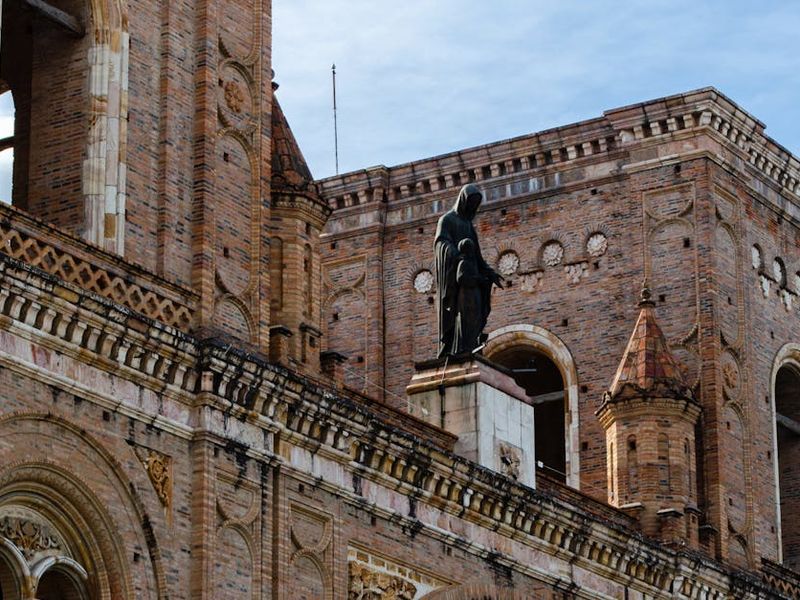
The area around Plaza Calderón and the main cathedral is a natural starting place. Narrow streets are lined with family-run restaurants (fondas) where plates are generous and prices are low. These spots are ideal for trying locally prepared hornado, secas and daily lunch menus (menu del día), which usually include soup, a main, drink and dessert at a budget-friendly price.
Cafés and bakeries around Calle Larga and the streets radiating from the plaza are abundant. You’ll find everything from classic panaderías serving fresh bread and pastries in the morning to specialty coffee shops that roast beans from the nearby Azuay region. For dessert, search out chocolate shops that use Ecuador’s world-class cacao for handmade confections.
Tips for Eating in the Historic Center
- Lunch is the biggest meal and many local restaurants offer a menu del día between noon and 3 pm.
- Look for busy places full of locals—an easy sign of good, authentic food.
- Plaza Calderón is also a hub for street vendors—try fresh fruit juices and snacks while exploring.
La Calle Larga and the Gallery District: Coffee, Brunch and International Fare
Calle Larga is Cuenca’s artsy, walkable corridor—lined with galleries, bookstores and independent cafés. It’s a great place for brunch, specialty coffee, artisan bakeries and light contemporary plates. Many places here cater to expats and students, so you’ll find vegetarian and vegan options, international breakfasts and trendy small plates.
If you’re craving a relaxed morning, find a café with outdoor seating to watch the city wake up. For an afternoon pick-me-up, try a local single-origin Ecuadorian brew or an inventive iced beverage made with one of the country’s many unique fruits.
Markets and Street Food: Mercado 10 de Agosto and Beyond
No foodie trip to Cuenca is complete without a market visit. Local markets are vibrant centers where you can taste many Ecuadorian staples for a low price. Look for modest stands inside the markets selling soups (often locro), roasted meats, and freshly prepared snacks.
Mercado 10 de Agosto is one of the larger markets where locals shop for fresh produce, grains and meats. Early mornings are the liveliest: vendors set up and people eat breakfast soups and steaming plates before work. Try a small bowl of soup, a plate of llapingachos, or a grilled meat skewer for a true local experience.
Safety and Etiquette at Markets
- Carry small bills and coins—many vendors prefer cash.
- Be mindful of your belongings in crowded areas.
- Ask before taking photos—some vendors are happy to pose, others prefer no photos.
Turi and the Cañón: Dining with a View
For dinner with a panorama, take a short trip up to Turi—the lookout area southeast of downtown known for sweeping views of Cuenca and the surrounding valley. Restaurants here range from rustic to refined, and many specialize in grilled meats and traditional dishes. It’s a popular spot for sunset dinners and celebrations, so consider timing your visit to catch dusk lighting the cathedral spires below.
Modern Cuenca: Contemporary Kitchens and Fusion
Over the last decade, Cuenca’s culinary scene has evolved with a crop of chefs blending local ingredients with global techniques. Look for tasting menus that highlight Andean produce—think quinoa, native potatoes, Andean herbs and local trout—presented with refined plating and creative flavor pairings.
If you enjoy chef-driven restaurants, make reservations in advance, especially on weekends. These spots may offer seasonal tasting menus and wine pairings; while dining, ask about sourcing—many chefs are happy to discuss local farmers and specialty producers.
Seafood and River Fish: Fresh Flavors Inland
Although Cuenca is inland, the local market scene delivers excellent freshwater fish and seafood dishes prepared in regional styles. Trout from local rivers is a common menu feature, often served simply grilled or in a tangy sauce. If you’re craving coastal flavors, you’ll find ceviche-style preparations and coconut-infused sides that echo Ecuador’s Pacific cuisine.
Vegetarian and Vegan Options
Cuenca’s vegetarian scene has expanded thanks to international residents and an increasing demand for plant-based options. Many cafés and restaurants now list several vegetarian and vegan dishes—look for quinoa bowls, stuffed peppers, vegetable stews, and innovative takes on classics using local grains and legumes.
When asking about ingredients, Spanish phrases like “sin carne” (without meat), “sin lácteos” (dairy-free) and “vegetariano/vegano” will be useful. Many kitchens accommodate dietary restrictions if you let them know in advance.
Bakeries, Chocolatiers and Dessert Shops
Ecuador is famous for cacao, and Cuenca has excellent chocolate artisans who craft bars, truffles and hot chocolate with local beans. Pair a chocolate stop with a visit to a bakery to sample traditional sweets like tres leches cake or local sugar-dusted empanadas.
For a relaxed dessert experience, look for places that serve traditional Ecuadorian sweets alongside modern pastries—many combine techniques and flavors in creative ways.
Practical Tips: Reservations, Tipping, and Prices
- Currency: Ecuador uses the US dollar. Most mid-range and upscale restaurants accept cards, but smaller markets and fondas are cash-only.
- Tipping: Service isn’t always included—10% is standard for good table service. For markets and casual vendors, tipping isn’t expected but appreciated for exceptional service.
- Prices: A hearty meal at a local fonda is very affordable; mid-range restaurants run moderate prices and modern tasting menus are the splurge category.
- Reservations: For popular contemporary restaurants and weekend evenings, booking ahead is wise. Walk-ins are fine for many cafés and market stalls.
- Language: A few phrases make dining easier: “¿Recomienda algo típico?” (Do you recommend something typical?), “La cuenta, por favor” (The check, please), and “Estoy cuidando mi dieta” (I’m watching my diet) for dietary needs.
Food Tours and Cooking Classes
If you want to dig deeper into Cuenca’s flavors, consider a guided food tour focused on market tastings or a hands-on cooking class that covers traditional Ecuadorian dishes. These experiences often include a market visit to source ingredients and provide context about local produce, seasonality and cooking techniques.
When to Visit for Food Festivals and Seasonal Produce
Cuenca celebrates food throughout the year with local fairs, harvest events and chocolate festivals in the region. Seasonal fruits and vegetables change what’s available on menus—look for tamarillo, naranjilla and tropical fruits at different times of year. If you time your trip around harvest seasons you’ll enjoy peak flavor and variety.
Final Tips for Exploring Cuenca’s Dining Scene
1. Be adventurous: Try a small plate at a market stall and a multicourse tasting menu in the same trip. Cuenca rewards culinary curiosity.
2. Walk the neighborhoods: Many of the city’s best discoveries are off the main plazas—explore side streets and riverside areas for hidden gems.
3. Talk to locals: Ask a vendor or your host where they like to eat—local recommendations often point to family-run places that don’t make guidebooks but serve unforgettable food.
4. Balance your budget: Mix affordable market meals, mid-range restaurants and one or two splurge nights so you experience the full range of Cuenca’s flavors without breaking the bank.
Wrapping Up
Cuenca is a compact, walkable city with a food scene that reflects its Andean roots and global curiosity. From the aromatic soups and roasted meats in family fondas to inventive modern kitchens and artisanal chocolate shops, there’s a culinary adventure around every corner. Use this guide to get oriented, but leave room in your itinerary for spontaneous discoveries—some of the best meals in Cuenca come from places you find when you’re following the scent of fresh bread or the chatter of a busy market stall.
Buen provecho—enjoy tasting your way through this beautiful Ecuadorian city.