
Table of Contents
Why Green Living Makes Sense in Cuenca
Cuenca’s mild highland climate, compact historic center, and strong local food traditions create fertile ground for an eco-friendly lifestyle. For expats, adopting green habits not only lowers living costs but deepens local connections and supports small businesses and conservation efforts nearby.
Whether you plan to live here short-term or permanently, there are straightforward steps you can take — many that work well in an apartment or a small rented house. Below you’ll find practical tips, neighborhood ideas, and ways to plug into Cuenca’s green networks.
Shift Your Shopping: Markets, Bulk Stores and Local Producers
One of the fastest ways to reduce waste and support the local economy is to change where and how you shop. Replace supermarket runs with regular visits to traditional mercados and neighborhood tiendas.
- Visit central markets and neighborhood vendors for seasonal fruits and vegetables. You’ll find produce often harvested nearby and sold without excess packaging.
- Bring reusable bags and a small cooler for wet or perishable items. Vendors are usually happy to accept your containers for bulk grains, nuts, or dried goods.
- Look for ‘a granel’ or bulk shops. These are increasingly common and are ideal for filling staples like rice, pasta, spices, and coffee with your own jars.
- Buy from local bakeries and panaderías, where bread often comes in paper or reusable cloth rather than plastic.
Tip: Learn a few vendor phrases in Spanish
A little Spanish goes a long way. Simple lines like ‘sin bolsa, por favor’ (no bag, please) or ‘¿me puede poner en mi envase?’ (can you put it in my container?) help reduce packaging instantly and endear you to sellers.
Waste Reduction and Recycling: What Works in Cuenca
Solid waste systems in Ecuadorian cities can vary block by block. Many neighborhoods separate organics from recyclables while others are still developing formal collection programs. You can make a big difference just by sorting at home and finding the right drop-off points.
- Start at home: separate organic waste, plastics, glass, paper and metals. Keep small labeled bins or bags in the kitchen for easy sorting.
- Locate local recycling drop-off centers or ‘centros de acopio’—ask neighbors or consult community Facebook groups to find the nearest one.
- Support collectors: informal recyclers (recicladores) often collect materials directly. Leaving clean, bundled recyclables in an accessible place can help both you and them.
- Reduce single-use: swap plastic straws, disposable cutlery and plastic bottles for a metal straw set, bamboo utensils and a durable refillable water bottle.
Composting: Easy Options for Apartments and Small Gardens
Composting keeps organic waste out of the trash and produces rich soil for houseplants or a balcony garden. Cuenca’s cool nights make vermicomposting (worm bins) and bokashi systems particularly effective indoors.
- Vermicomposting: compact worm bins work well on a balcony or in a laundry area. Use red worms and add kitchen scraps (no meats or fatty leftovers). Regularly harvest castings for potted plants.
- Bokashi: a sealed fermentation system is excellent for apartments because it controls odor and accepts a wider range of food scraps. After fermentation, the material can be buried in a garden bed or placed in a compost heap to finish.
- Community composting: if you don’t have space, seek out community gardens or neighbors who need compost — many small urban farms will happily take your kitchen scraps.
Transportation: Walk, Bike and Use Public Options
Cuenca’s compact old town and several walkable neighborhoods make it easy to reduce car use. Choosing where to live and how you get around has one of the biggest impacts on your personal carbon footprint.
- Choose a walkable neighborhood. Staying in or near the historic center or San Sebastián means many errands, cafes and services are within walking distance.
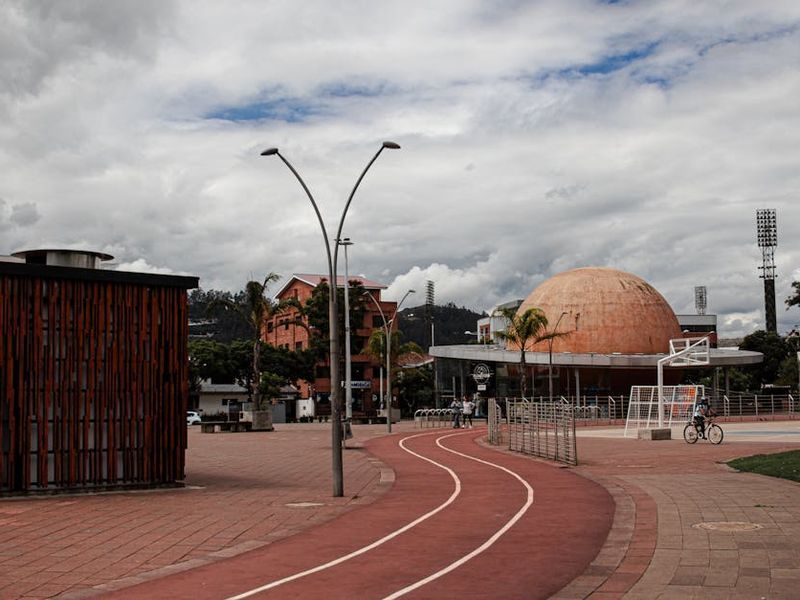
- Biking: bring or buy a bike. The city has been adding bike lanes and riverside promenades that make cycling pleasant. Invest in a sturdy lock and lights for safety.
- Public buses and shared rides: buses are cheap and reach most parts of the city. Taxis and ride-hailing services are widely available for trips outside the bus network.
- Car-sharing and fewer cars: if you need a car, choose fuel-efficient models or car-share with neighbors when possible. Maintain tires and engine tune-ups to maximize efficiency.
Energy and Water: Small Changes, Big Savings
Cuenca’s year-round mild temperatures reduce heating and cooling needs, but energy savings still add up. Water is abundant compared to many places, yet conserving it protects local ecosystems and reduces utility bills.
- Switch to LED bulbs and energy-efficient appliances. LEDs reduce electricity use and last far longer than incandescent bulbs.
- Unplug chargers and electronics when not in use. Phantom energy use adds up.
- Install low-flow showerheads and fix leaky faucets promptly. Even small drips waste liters per day.
- Many expats use simple home water filters. Municipal water is treated, but filters improve taste and reduce reliance on bottled water.
- If you can, talk to your landlord about solar hot water or solar panels; local installers can advise on feasibility and permits.
Green Spaces and Outdoor Recreation
One of Cuenca’s greatest assets is its proximity to protected areas and scenic riverwalks. These offer both recreation and learning opportunities about conservation.
- Explore the Malecón and river trails along the Tomebamba and Yanuncay Rivers — these green corridors are great for walking, running, and spotting urban birdlife.
- Day trips to Cajas National Park invite low-impact hiking and a chance to support local guides and conservation projects.
- Visit local parks such as Parque Calderón to observe community green infrastructure and enjoy events where local environmental groups sometimes set up booths.
Grow Something: Balcony and Community Gardening
Even with limited space you can grow herbs and salad greens. Cuenca’s cool climate favors leafy crops, herbs and some root vegetables.
- Start with herbs (cilantro, parsley, oregano), leafy greens (lettuce, kale, chard) and microgreens — they grow quickly and yield high returns from small pots.
- Use recycled containers and make a simple self-watering system using plastic bottles to reduce water use.
- Join or start a community garden. Community plots are spaces to exchange knowledge, tools and surplus produce with neighbors.
- Buy compost and organic soil amendments from local viveros — using local products lowers transport emissions and supports local businesses.
Support Local Crafts and Circular Economy
Cuenca is surrounded by small artisan towns and creative neighborhoods. Supporting local makers keeps money in the community and reduces the lifecycle emissions of mass-produced goods.
- Visit artisan markets and workshops to buy repaired or handmade goods rather than importing new items.
- Use seamstresses and repair shops: clothes and shoe repair are affordable and extend product life.
- Participate in swap groups and secondhand markets. Expat communities often organize clothing and household item swaps that keep usable goods out of landfills.
Community, Volunteering and Getting Involved
One of the most rewarding aspects of living green is connecting with others who care about the same issues. There are numerous ways to plug in, from neighborhood cleanups to workshops and advocacy groups.
- Join local Facebook groups and WhatsApp circles for expats and eco-minded residents. These groups are great for exchanging tips on where to recycle, buy compost, or find volunteer opportunities.
- Volunteer with local conservation or river-cleanup projects. These help you meet locals and learn about regional environmental priorities.
- Attend workshops at community centers or universities. Many organizations host events on composting, sustainable gardening and recycling.
- Talk to your neighborhood association about starting a recycling point or community garden if one doesn’t exist.
Practical Eco-Swaps for Everyday Life
Small swaps are easy to implement and quickly become habits. Here are concrete, realistic changes to adopt this week:
- Carry a reusable water bottle and coffee cup. If you buy bottled water occasionally, reuse the bottle multiple times before recycling it.
- Bring fabric produce bags to the mercado and a small cooler for meats or dairy.
- Use bar soap and refillable shampoo dispensers to reduce plastic bottles.
- Choose LED bulbs and set a habit to switch off lights when leaving a room.
- Use a drying rack instead of a dryer. The climate in Cuenca usually lets laundry air-dry quickly.
Navigating Rules and Practicalities
Local rules about waste and building modifications can vary. Before making changes that affect a property — like installing solar panels or large composters — talk to your landlord and check with municipal offices about permits.
Learn the pickup schedules and separation rules for your neighborhood. Some areas have strict collection days and separation requirements, while others are more ad hoc. Your neighbors and local municipal websites are good sources of reliable information.
Final Thoughts: Start Small, Stay Consistent
Green living in Cuenca doesn’t require radical upheaval. Begin with one or two changes: try a weekly market trip, start a small compost system, or swap disposable items for durable alternatives. Over time these choices compound — saving money, reducing waste and helping you build community connections in your adopted home.
Living sustainably is also a way to learn about the culture: bargaining at a mercado, exchanging gardening tips with neighbors, or volunteering at a park — all of these deepen your experience of Cuenca beyond the guidebooks.
Quick Starter Checklist
- Bring reusable bags and containers to markets
- Set up a small compost or bokashi bin
- Switch to LED bulbs and unplug devices
- Walk, bike or use buses for daily errands
- Find local recycling drop-off points and connect with recicladores
- Join a local environmental or expat group to exchange tips
Cuenca’s pace and resources make it an ideal city to experiment with sustainable habits. Start with one change this week and build from there — the Andes are waiting, and every small action helps preserve the landscapes and communities that make this place special.