
Table of Contents
al Tips Before You Go
Ecuador uses the US dollar, so it’s simple to estimate costs. Meals range from $3–6 at markets and street stands, $6–15 at mid-range restaurants, and $25+ for fine dining experiences. Spanish is the dominant language—knowing basic phrases (hola, por favor, la cuenta) helps a lot. Standard mealtimes are similar to much of Latin America: hearty lunches around 12:00–15:00 and dinner from 19:00 onward. Tipping is appreciated; 10% is common if service isn’t already included.
Must-Try Dishes: Traditional Plates and What To Order
To really taste Cuenca, start with the classics:
- Locro de papas – A creamy potato-and-cheese soup, often finished with avocado and aji (spicy sauce). Comfort food for chilly afternoons.
- Fritada – Crispy, fried pork served with corn, mote (hominy), and llapingachos (cheesy potato patties). A staple at weekend gatherings.
- Hornado – Slow-roasted pork shoulder, typically served with plantains, mote, and salad. Look for family-run hornado stands that roast the meat fresh.
- Cuy asado – Guinea pig roasted or fried; a traditional Andean delicacy. Try it at specialty eateries or during festivals if you’re adventurous.
- Ceviche – Although not from the highlands, coastal-style shrimp or mixed seafood ceviche is common and very fresh in Cuenca.
- Empanadas and pan de yuca – Perfect for breakfast or a mid-afternoon snack. Cheese-filled empanadas and chewy pan de yuca are ubiquitous at bakeries.
Neighborhood Guide: Where to Eat by Area
Cuenca’s culinary map is best explored by neighborhood, each offering a different vibe and set of specialties.
Historic Center (around Parque Calderón)
This is where tourists and locals mix. Surrounding the Cathedral and main plaza, you’ll find everything from traditional sodas (small, family-run restaurants) serving menu del día (set lunch menu) to elegant restaurants that use local ingredients with contemporary techniques. Great for a midday romp through museums followed by a comforting plate of locro de papas or a refined Andean tasting menu.
Calle Larga and Nightlife Strip
Calle Larga has become one of Cuenca’s liveliest stretches for food and drinks. The area offers international cuisine, gastropubs, and dessert bars—perfect for trying fusion dishes or ending the night with a craft beer. Many places stay open later and offer inventive small plates, making it ideal for bar-hopping and sampling several dishes.
Barranco (the riverside)
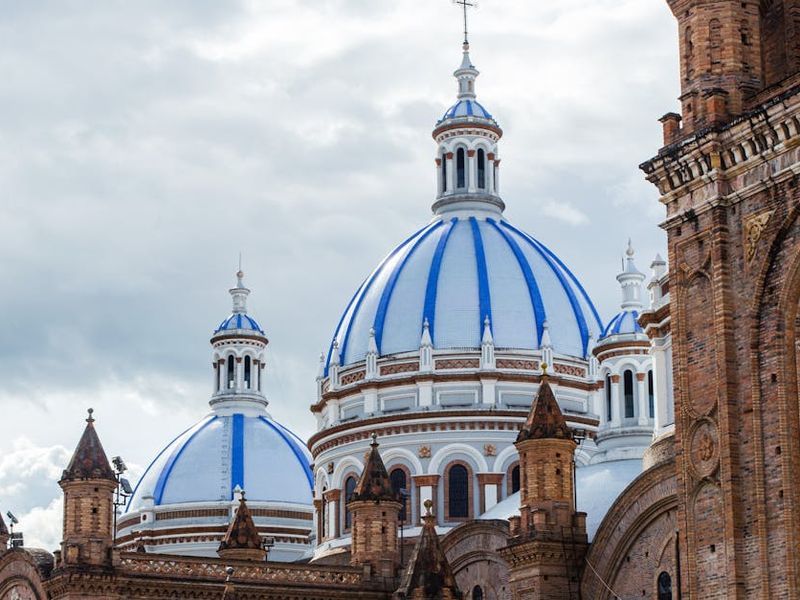
The riverbank areas provide scenic dining, particularly at sunset. This neighborhood leans toward bistros and cafes with outdoor seating and often features seafood-focused menus. Look for rooftop terraces that frame the cathedral domes and offer a magical view while you eat.
Neighborhood Markets and Local Districts
Local markets and smaller community districts are where you’ll find the most authentic flavors and best bargains. Markets often have dedicated food halls or rows of food stalls offering everything from hearty soups to grilled meats. These are also great places for sampling fresh fruit juices and late-morning snacks.
Markets and Street Food: Where Locals Lunch
Markets are the lifeblood of Cuenca’s food culture. A market lunch gives you the widest diversity for the least money. Typical market offerings include:
- Menu del día: a multi-course lunch with soup, a main (often meat or fish), rice, salad and a drink.
- Standout snacks: fried empanadas, humitas (corn packets wrapped in husk), and local sweets.
- Fresh juices: try naranjilla, taxo, or mora if available—local fruit juices are refreshing and inexpensive.
Eating at a busy stall is an easy way to meet locals and discover favorite neighborhood cooks—follow the busiest lines for the best bets. Markets typically bustle at mid-day, so go with an appetite.
Fine Dining and Contemporary Takes
In the last decade, Cuenca has seen a rise in chefs who reinterpret Indigenous ingredients and traditional recipes with modern techniques. These places often feature tasting menus, creative plating, and partnerships with local farmers. Reservations are recommended, especially for tasting menus and weekends. If you want a special night out, seek restaurants that advertise local sourcing or alpine-to-coast tasting menus to experience culinary storytelling through food.
Cafés, Bakeries and Coffee Culture
Cuenca’s coffee scene has matured, with small roasters and specialty cafes dotting the city. Mornings often begin with a strong cup of Ecuadorian coffee paired with panadería treats like pan de yuca or whole wheat bollo. Many cafes double as informal workspaces during the day and become lively social hubs in the afternoon.
Tips for coffee lovers: ask for a filter or pour-over to taste single-origin beans, and try a local roast alongside a sweet or savory pastry. For a leisurely morning, pick a cafe with a window seat near the cathedral or on a side street to watch city life unfold.
Vegetarian, Vegan and Dietary Needs
While traditional cuisine can be meat-heavy, Cuenca has a growing number of vegetarian and vegan-friendly spots—especially around the more touristy streets and international neighborhoods. Many restaurants are willing to adapt dishes, substituting grilled vegetables or legumes for meat. If you have strict dietary restrictions, it’s smart to carry a Spanish card that explains allergies or dietary needs.
Drinks: Local Libations and Nightlife
Expect a selection of local fruit-based juices, Ecuadorian beers (both mainstream and craft options), and cocktails that often incorporate native fruits or herbs. Wine lists focus on international and local South American selections. For bar hopping, Calle Larga and nearby streets are lively in the evenings, with bars ranging from relaxed wine bars to high-energy music venues.
How to Choose the Best Places: A Foodie’s Checklist
If you want to eat like a local and find memorable spots, use this short checklist when choosing restaurants:
- Look for crowds—busy local places often mean fresh food and good value.
- Ask the staff what’s in season; the best dishes use local, seasonal produce.
- Try the menu del día at lunchtime for authentic home-style cooking at a bargain price.
- Check for handwritten daily specials—those are often local favorites and indicate a cook who makes things from scratch.
A Sample 3-Day Dining Itinerary
Use this plan to get a balanced taste of Cuenca’s culinary sides.
Day 1: Historic Center Classics
Start with coffee and pan de yuca at a cafe near the main plaza, then visit museums. Lunch on locro de papas at a nearby family-run eatery. In the evening, choose a restaurant serving hornado or fritada for a hearty introduction to Andean flavors.
Day 2: Markets, Riverbank and Sunset
Breakfast at a neighborhood bakery, then head to a bustling market for fresh juice and a market menu del día. Spend the afternoon strolling the riverside and have seafood or a ceviche-style dish for dinner while watching the sunset over the domes of the cathedral.
Day 3: Modern Discoveries and Small Plates
Brunch at a café with specialty coffee, explore Calle Larga’s fusion spots, and opt for a multi-course dinner at a contemporary restaurant that uses local ingredients—reserve ahead if possible.
Seasonality and Special Events
Cuenca’s high season (June–August and around holidays) brings more tourists and festival food stalls. Markets may offer seasonal fruits and traditional sweets linked to religious and civic celebrations. If your trip coincides with a festival, use it as a chance to sample festival-only specialties and street sweets.
Safety and Etiquette Tips
Food safety is generally good in Cuenca, but common sense applies: choose busy places with a high turnover of food, drink bottled water or filtered beverages if unsure, and avoid undercooked street items if you have a sensitive stomach. Use cutlery or napkins rather than hands, unless you’re eating a handheld empanada. When a restaurant serves you well, leaving a 10% tip is customary and appreciated.
Final Thoughts: Savoring Cuenca Slowly
Cuenca is a city for slow dining—meals are meant to be enjoyed, conversations linger, and new dishes reward curiosity. Approach your culinary exploration with an open palate: sample humble street foods one day and reserve a night for a refined tasting menu the next. With markets full of fresh produce, innovative chefs, a growing coffee culture, and neighborhoods each with their own flavor, Cuenca is a delightful destination for any food lover willing to wander, taste and ask locals for their best-kept meal secrets.
Ready to plan your own food crawl? Start in the historic center, follow a market’s lunchtime crowd, and don’t be afraid to try something unfamiliar—often, the dishes with the longest local histories are the most rewarding.