
Table of Contents
Why Cuenca Belongs on Every Foodie’s Map
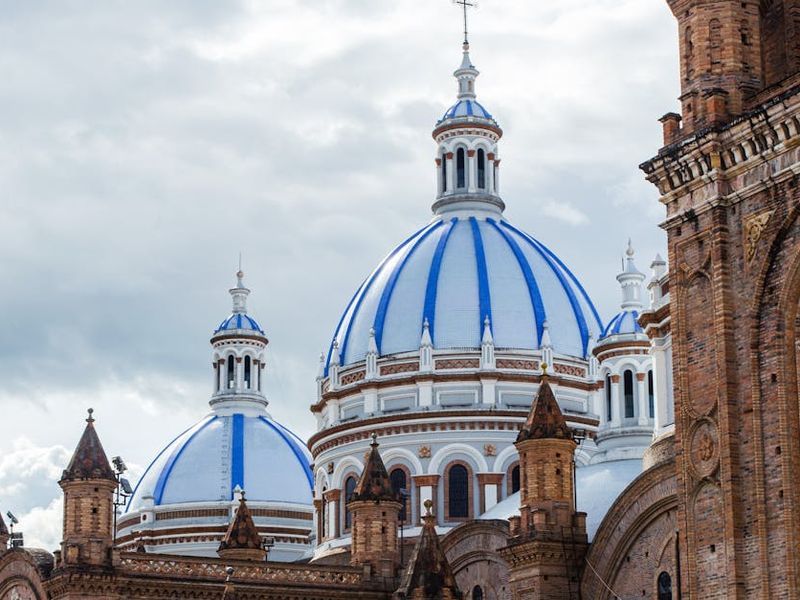
Cuenca is more than colonial architecture and cool Andes air; it’s a city with a lively, layered food culture. From steaming bowls of locro to street-side empanadas, the city blends indigenous highland ingredients with Spanish, African, and coastal influences. Whether you’re chasing daily-market flavors, inventive fusion restaurants, or simply an excellent cup of coffee, Cuenca serves as a compact, walkable place to taste Ecuador in concentrated doses.
Neighborhoods That Define Cuenca’s Food Scene
Knowing where to eat makes all the difference. Here are the parts of the city you’ll want to explore by appetite:
- El Centro Histórico (Historic Center) — The heart of the action. Around Parque Calderón and the Cathedral you’ll find bakeries, traditional restaurants, and late-night cafes. It’s perfect for first-time visitors.
- Calle Larga and Calle Gran Colombia — A pedestrian-friendly stretch with casual cafés, pizza spots, and a good mix of international and local menus.
- El Barranco (Riverside) — On the south bank of the Tomebamba River, this area offers scenic dining and more modern, upscale restaurants with river views.
- San Sebastián — A quieter, bohemian neighborhood with small bistros, artisanal bakeries, and neighborhood eateries frequented by locals.
- Markets and Neighborhood Food Hubs — The city’s markets and informal picanterías (traditional lunchtime eateries) are where you’ll find the most authentic tastes and budget-friendly feasts.
Signature Dishes: What to Order First
Start with a handful of classics so you can understand the local palate. Each dish tells a story about altitude, agriculture, and culture.
- Locro de papa — A warm, comforting potato-and-cheese soup, often finished with avocado. Perfect for cooler mountain weather.
- Hornado — Slow-roasted pork, commonly served with mote (hominy), salad, and plantain. It’s a lunchtime favorite at many picanterías.
- Cuy — Guinea pig is a traditional Andean centerpiece. Roasted cuy is crispy and served whole; try it at trusted traditional restaurants.
- Seco de chivo or seco de pollo — A hearty stew served with rice and often ripe plantain or salad—a robust plate for a chilly day.
- Empanadas and Llapingachos — Street and market snacks: cheese- or meat-filled empanadas and potato patties typically stuffed with cheese and served with a peanut sauce or salsa.
Dining Styles to Experience
Understanding the dining categories will help you plan your days and budget:
- Picanterías — Traditional lunchtime spots where large plates are shared and set menus are common; visit around midday when they cook specialties such as hornado.
- Cafeterías and Panaderías — For breakfast and light bites: try pan de yuca (cheesy cassava rolls) and a locally brewed café.
- Cevicherías — Though Cuenca is inland, coastal flavors appear in ceviche offerings; these are lighter, often served with popcorn-style corn or plantain chips.
- Modern Fusion — Contemporary chefs reinterpret regional ingredients like quinoa, chocho, Andean cheeses, and native fruits into tasting-menu experiences.
- Street Food Stalls and Markets — For a raw, local experience: try fresh juices, roasted corn, empanadas, and hearty platters at busy market counters.
Vegetarian and Vegan Options — More Than Salads
Cuenca’s growing community of plant-based eaters has boosted the local offerings. Many restaurants and cafés now offer clearly marked vegetarian and vegan dishes, and markets are a treasure trove of fresh produce.
- Try vegetarian versions of locro made with vegetable broth and cheese alternatives, or hearty quinoa salads with roasted sweet potato, avocado, and toasted seeds.
- Look for specialized vegetarian cafés that serve creative bowls, vegan burgers made from local grains and beans, and plant-based desserts using coconut milk and local fruits.
- Markets sell fresh naranjilla, lúcuma, and papaya — excellent ingredients for dairy-free smoothies and desserts.
Coffee, Baked Goods, and Sweet Stops
Coffee culture in Cuenca is robust. Ecuadorian highland beans are bright and fruity or chocolatey and round, depending on origin and roast. Pair a small café con leche with local pastries to understand why the morning café is central to daily life here.
- Panadería picks: Try pan de yuca or the flaky hojarascas. Panaderías often bake multiple times a day, so arrive before noon for the freshest items.
- Dulce bites: Humitas (sweet corn-based steamed cakes) and toastadas with fruit jams are classic options at markets and cafés.
- Ice cream and juices: Look for artisan helado stands using local fruits like passionfruit and tree tomato for bright, seasonal flavors.
Fine Dining and Chef-Driven Restaurants
Cuenca’s fine-dining scene is small but growing, with talented chefs experimenting with Andean ingredients and international techniques. Expect intimate dining rooms, tasting menus that emphasize sourcing, and a focus on seasonal, farm-driven plates. These restaurants are great for special nights—book ahead, especially on weekends.
Markets and Morning Rituals: How to Eat Like a Local
Start a foodie day at a local market. Morning markets are where families buy produce, but they also host small food stalls serving breakfast staples. A typical morning might include a strong coffee, a warm pastry, and a bowl of hearty soup if you’re brave enough for a highland specialty.
- Ordering at market stalls: Many vendors have fixed menus and a few spoken words in Spanish are helpful. Simple phrases like “¿Qué recomienda?” (What do you recommend?) go a long way.
- Timing: Markets are busiest in the morning. For lunch, picanterías fill up by noon and often sell out by mid-afternoon—arrive early for popular dishes.
Seasonal Ingredients to Seek Out
Cuenca’s elevated location shapes what’s in season and how it tastes. Look for crisp highland vegetables and fruits that change through the year.
- Papas (potatoes): Ecuador is home to hundreds of potato varieties; many dishes highlight their texture and flavor.
- Quinoa and grains: Local grains appear in salads, soups, and side dishes.
- Native fruits: Try lúcuma or naranjilla when available for unique desserts and fresh juices.
- Corn and hominy: Mote and toasted corn snacks are classic accompaniments.
Practical Tips for Eating Out in Cuenca
Knowing the local rhythm will make your culinary outings smoother and more enjoyable.
- Meal times: Lunch is the main meal of the day, typically between 12:00 and 3:00 p.m. Dinner tends to start later, around 7:00 p.m., and some smaller places close early.
- Reservations: For popular modern restaurants and weekend dinners, reserve in advance. For markets and picanterías, arrive early to nab the best options.
- Language: A bit of Spanish helps, especially with market vendors. Phrases like “la cuenta, por favor” (the bill, please) and “sin picante” (no spicy) are handy.
- Payment: Cash is still widely used at markets and smaller restaurants; keep small denominations. Most midrange and upscale restaurants accept cards.
- Tipping: A 10% service charge is common in many restaurants; if it’s not included, 10%–15% is a good guideline.
- Food safety: Street food is generally safe if you choose busy stalls with fresh, hot-cooked offerings. Drink bottled or filtered water if you have a sensitive stomach.
A 48-Hour Food Crawl: Sample Itinerary
Short on time? Here’s a compact two-day plan that mixes markets, classic plates, and modern dining.
- Day 1 Morning: Walk through a central market. Grab coffee and pan de yuca, and sample a fresh fruit juice. Wander the stalls and talk to vendors about produce.
- Day 1 Lunch: Find a busy picantería for hornado or a loco regional special—watch how locals order and join the lunchtime bustle.
- Day 1 Afternoon: Stroll Calle Larga for artisanal chocolate or a pastry shop. Stop at a riverside café for a late afternoon coffee with a view of the Tomebamba.
- Day 1 Dinner: Choose a modern bistro for a tasting menu showcasing Andean ingredients—book ahead.
- Day 2 Morning: Try a traditional soup like locro for breakfast or an early brunch bowl; visit a neighborhood bakery for fresh hojarascas.
- Day 2 Lunch: Sample empanadas and llapingachos at a market stall, then wander artisanal food stands for small bites.
- Day 2 Afternoon: Take a culinary class or food tour if you want hands-on experience with Ecuadorian recipes and ingredients.
- Day 2 Dinner: Finish with a relaxed riverside meal or a rooftop restaurant to toast your food-filled visit.
Respectful Dining: Cultural Notes
Eating in Cuenca is as much social as it is culinary. Share space patiently, keep your voice moderate, and be open to conversations with servers and neighbors at communal tables. If you are invited to a home, a small gift like locally roasted coffee or chocolate is a thoughtful gesture. Above all, sample with curiosity—many of the best plates come from family recipes passed down through generations.
Final Bite: Embrace the Unexpected
Cuenca rewards slow exploration. The best meals often happen off the main tourist lanes—ask a shopkeeper for their favorite lunchtime spot, follow the locals to busy stalls, and don’t be afraid to try a dish you can’t pronounce. With each meal you’ll gain insight into the region’s climate, history, and people. Pack an appetite, a comfortable pair of walking shoes, and a flexible schedule—Cuenca’s food story unfolds one plate at a time.
Buen provecho and happy tasting as you explore Cuenca’s delicious layers—there’s always another market stall, café, or intimate restaurant waiting around the corner.