
Table of Contents
Why Cuenca’s Sunsets Are Special
Perched high in the Andes at roughly 2,560 meters (8,400 feet), Cuenca delivers sunsets that feel sculpted out of light and cloud. The city’s layered skyline—red-tiled roofs, cathedral domes, river gorges and surrounding hills—creates dramatic silhouettes, while the thin mountain air produces sharp, saturated colors. Whether you’re an early-riser photographer, a casual stroller, or an expat seeking ritual, finding the right viewpoint can turn an ordinary evening into a lasting memory.
How to Use This Guide
This article highlights five types of places to watch sunset in and around Cuenca: a classic high viewpoint, a cathedral tower experience, riverside promenades, quiet neighborhood lookouts and a day-trip to the páramo. For each spot you’ll find practical tips—how to get there, what to bring, best months and photo ideas—so you can plan the perfect golden-hour outing.
1) Mirador de Turi: The Classic Panoramic View
Mirador de Turi sits above Cuenca and is the go-to for sweeping panoramic views of the city. From this vantage you can watch the sun slide behind the Andes, lighting up the cathedrals and the deep gorge carved by the Río Tomebamba. It’s a popular destination for both locals and visitors, so you’ll often find vendors selling snacks and artisan crafts as the light softens.
Getting there and logistics
Taxis are the simplest option and should take about 10–20 minutes from the historic center depending on traffic. If you prefer public transit, local buses and colectivos travel toward the hill; ask a driver to drop you at Turi mirador. Arrive at least 30–45 minutes before official sunset to secure a good viewing spot and enjoy the changing light.
What to bring and photo tips
- Layered clothing—temperatures cool quickly after sunset at this altitude.
- A tripod for long-exposure shots or low-light panoramas.
- Zoom or telephoto lens to pick out cathedral domes and rooftop details.
Compose with foreground elements—balconies, cacti, or local vendors—to give scale and storytelling to your sunset images.
2) The New Cathedral Towers and Plaza Grande: Sunset From the Heart of the City
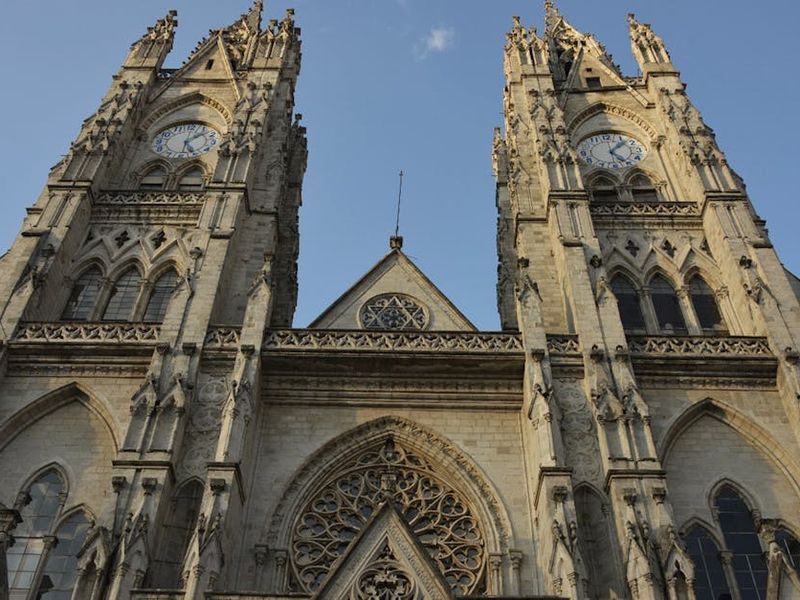
Watching the sunset from the New Cathedral’s towers (or nearby rooftop terraces) is an intimate urban experience. From this central perch you’ll have the domes and bell towers in the foreground while the city stretches toward surrounding hills. If the towers are open, climbing them offers a dramatic vantage for both sunset and the blue hour that follows.
Tips for a smooth visit
Check opening hours in advance—tower access may be limited and often requires a small admission fee. Be mindful of liturgical events and tourist schedules; evenings are busy, so booking a slot if available or arriving early will reduce stress. For a cozier alternative, scout rooftop cafes around Plaza Grande that open for late afternoons; they combine comfort with excellent views.
Photography and composition ideas
Use the cathedral domes as silhouettes. Shoot wide to capture the interplay of historic architecture and sunset sky, and stay longer into the blue hour: city lights will begin to glow and reflect off the river, creating great opportunities for contrast.
3) Riverside Walks: Tomebamba Bridges and El Barranco
For a sunset that mixes nature and cityscape, head to the riverside paths along the Río Tomebamba. The banks and pedestrian bridges—especially the smaller stone or floral bridges—offer reflective compositions where the sky mirrors in the water. Walking along the river as the light fades is also one of the most peaceful ways to end the day.
Where to go and what to expect
Start near the historic center and follow the riverbank paths through El Barranco neighborhoods, where steps and terraces lead down toward the water. Bridges often have lovely vantage points for shooting reflections, while the riverside gardens provide colorful foregrounds. The area is typically lively but remains walkable; evenings can be cooler near the water, so bring a light jacket.
Safety and comfort
The riverside is generally safe during daylight and early evening when many people are around. Avoid isolated stretches after dark. If you plan to stay late for astrophotography or star trails, arrange transportation back in advance and carry a flashlight.
4) Neighborhood Lookouts: Hidden Vistas Around San Blas and El Centro
Beyond the well-known viewpoints, Cuenca rewards explorers with small neighborhood lookouts that feel private and authentic. Areas such as San Blas, El Vecino Hills, and spots in the Barranco have stairs, alleys and micro-parks that open onto pleasing frames of the city. These are great if you want fewer crowds and a local vibe.
How to find them
Wander the narrow streets up from the main plazas—look for trails, stairways and church steps that rise above residential blocks. Locals and expat forums often share exact locations; consider asking a café owner or shopkeeper for a nearby ‘mirador’. These places often require a short walk uphill but reward you with quieter, more contemplative sunsets.
What to bring and etiquette
Respect private property—many lookouts sit close to homes. Keep noise down and carry out any trash. A small blanket or portable stool can make the experience more comfortable, and a compact tripod is ideal for low light photography.
5) Day-Trip Sunsets: Parque Nacional Cajas
If you’re willing to drive about 40–60 minutes west of Cuenca, Parque Nacional Cajas opens a completely different sunset world: highland wetlands, glacial lagoons and open skies. The páramo landscape creates clear, wide horizons ideal for dramatic sunsets and brilliant starry nights afterward. It’s a favorite for photographers who want crisp reflections and alpine colors.
Planning and safety
Cajas sits higher than Cuenca, with fragile weather that can change rapidly. Dress in warm, waterproof layers and bring food, water and a first-aid kit. Hire a local guide or join a small tour if you’re unfamiliar with the terrain—some trails are remote and the light can shift quickly, leaving you cutting it close for the return.
Best lagoons and photo spots
Laguna Toreadora and smaller tarns near main trailheads often produce mirror-like reflections at sunset. Arrive early to scout compositions and be prepared for wind; sheltered coves often give the calmest reflections. After sunset, if you plan to stay for astrophotography, be mindful of temperature drop and altitude effects (headache, breathlessness) and return to Cuenca safely.
Seasonality, Timing and Weather
The dry season (roughly June through September) offers the most reliable clear evenings for sunsets, though dramatic cloud formations can happen year-round. In the wet season, late-afternoon showers are common and clouds can both block and enhance sunsets—thicker clouds can create fiery skies while light rain may give a luminous sheen to buildings and cobblestones.
Sunset timing and golden hour
Because Cuenca is near the equator, days and nights are close to equal year-round. Sunset time shifts slowly across seasons—expect sunset roughly between 5:30–6:30 p.m. local time, though you should check a local weather app for exact times. Aim to arrive 30–45 minutes before sunset to capture golden-hour light and stay 20–30 minutes after for the blue hour.
Practical Tips: What to Bring and Safety Notes
- Layers: Evenings can be chilly—pack a warm jacket, hat and gloves in high-altitude spots.
- Light source: A small flashlight or headlamp is useful for dark pathways down from lookout spots.
- Tripod: For low-light shots and long exposures on rivers or city lights.
- Cash: Small purchases like drinks or snacks at viewpoints often require cash.
- Transport plan: Have a taxi app, phone number or agreed pickup location if you’re going to remote or late-night spots.
- Altitude awareness: If you’re visiting Cajas or hiking above Cuenca, be mindful of altitude and acclimatize slowly.
Food and Drink Options Near Sunset Spots
Turi’s hilltop market offers quick bites—fresh juices, empanadas and snacks to enjoy as the light fades. In the historic center, Plaza Grande and surrounding streets are packed with cafés and rooftop bars that open in the late afternoon; they’re ideal if you prefer a table, cocktail and heated seating while watching the sky. After returning from Cajas, many travelers stop at road-side restaurants offering hearty soups and local dishes to warm up.
Accessibility and Inclusivity
Access varies by spot. The New Cathedral and many rooftop terraces have steps and limited elevator access, so check ahead if mobility is a concern. Turi has paved areas and viewpoints but can include uneven surfaces. Riversides often have stairways and ramps in parts; the best practice is to call ahead to venues (hotels, restaurants, cathedral) to confirm accessibility options.
Etiquette and Responsible Viewing
Cuenca’s viewpoints are community spaces. Keep noise low during late hours, remove any trash, and support local vendors peacefully. If you plan to fly a drone to capture aerial sunsets, check local regulations and get permissions where required—avoid flying near historical buildings, crowds, or protected natural areas without authorization.
Final Thoughts: Make Sunset a Ritual
Sunset in Cuenca can be a daily ritual or a spectacular event. Whether you choose the classic sweep of lights from Mirador de Turi, the architectural intimacy of the cathedral, the reflective charm of the Tomebamba, a quiet neighborhood lookout, or a highland show at Cajas, each place offers a distinct emotion and perspective. Pack warm layers, come a little early, and let the soft Andean light give you a new way to know the city.
Want to explore more? Next time, try pairing a sunset spot with a local cultural event—an outdoor concert, an artisan market or a food crawl—and you’ll find Cuenca’s evenings are as social as they are scenic.