
Table of Contents
Why Cuenca is a Great Base for Nature Lovers
Cuenca is often celebrated for its colonial architecture and cultural scene, but it’s also one of Ecuador’s best gateways to diverse highland ecosystems. Within a short drive you can move from cobblestone streets to windswept páramo, cloud forest trails, rushing Andean rivers and tranquil lagoons. Whether you’re looking for an easy riverside stroll or a multi-day trek above 3,500 meters, the countryside around Cuenca offers accessible and rewarding outdoor experiences.
El Cajas National Park: Páramo, Lagoons, and High-Altitude Hiking
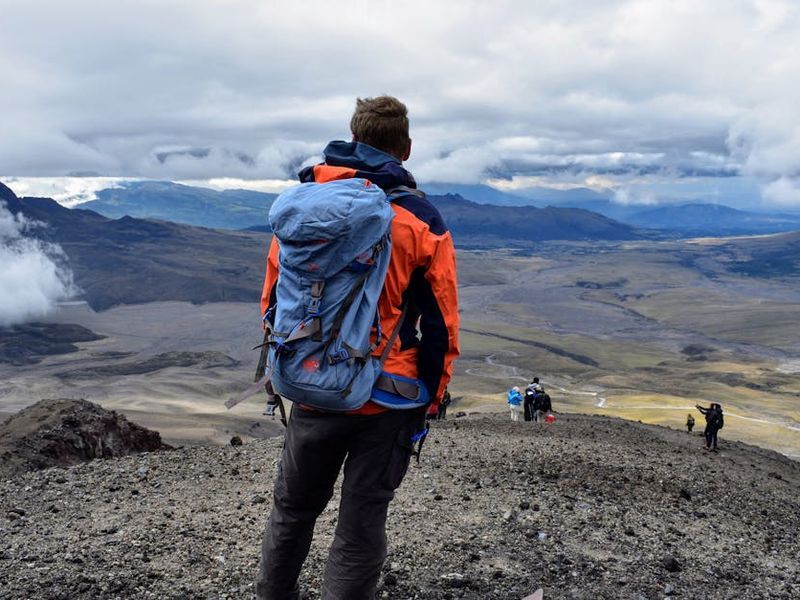
El Cajas is the headline nature attraction for visitors staying in Cuenca. Located roughly 30–50 kilometers west of the city, this high Andean park protects an extraordinary páramo landscape with hundreds of glacial lagoons, peat bogs and windswept grasslands. The park sits between about 3,100 and 4,450 meters in elevation, so expect thin air, dramatic skies and rapid weather changes.
What to see and do in El Cajas
- Lagoon circuits: There are many small lakes and mirror-like lagoons ideal for photography and short hikes. The Lagoons of the Toreadora area are among the most visited for good reason—panoramic views and easy access from the main road.
- Birdwatching: Keep an eye out for Andean waterfowl, ibis, and highland specialists. Larger raptors, including condors, are occasionally seen riding the thermals.
- Hiking and trekking: Trails range from 1–6 hour circuits to full-day routes. Trails cross fragile peatlands—stay on marked paths to prevent erosion.
- Polylepis forests and páramo plants: You can find ancient, twisted Polylepis woodlands and remarkable cushion plants and frailejones (Espeletia), plants adapted to the cold, humid environment.
Practical tip: dress in layers, bring waterproof gear and let someone know your route. Weather can change from bright sun to sleet in an hour.
Riverside Walks: Tomebamba, Yanuncay, and Pumapungo
The rivers that traverse Cuenca—most famously the Tomebamba—are framed by promenades, parks and historic bridges that make urban nature easy to enjoy. A riverside walk is a perfect low-effort experience to see local birdlife, native trees, and daily life.
Pumapungo Archaeological Park and Wetlands
Pumapungo, next to Cuenca’s historical center, is a compact archaeological park and museum complex with recreated terraces, botanical displays and a small wetland area that attracts ducks and wading birds. It’s a great introduction to the region’s ancient relationship with its landscapes, and an easy way to plan a nature-focused morning without leaving the city.
Tomebamba River Promenade
Wandering the Tomebamba riverside is relaxing and scenic. Follow the river downstream past historic neighborhoods and gardens—there are benches, cafes and shaded stretches that make for a leisurely afternoon. The Yanuncay River, a tributary of the Tomebamba, offers quieter stretches and narrow gorges favored by photographers and birdwatchers.
Waterfalls and Cloud Forests: Girón and Chordeleg Area
South and southeast of Cuenca you’ll find cloud forests, deep canyons and charming mountain towns that combine culture and nature. Two towns often included on nature routes are Girón and Chordeleg.
Girón: Waterfalls and Canyon Views
Girón is a small colonial town set beside a river valley with excellent natural scenery. Near Girón you can find waterfalls tucked into steep ravines—these are seasonal, but the walk to most falls is scenic year-round. Trails here often pass through mixed agricultural landscapes that host hummingbirds, tanagers and occasionally spectacled bears in remote sections.
Chordeleg and the Gualaceo Valley
Chordeleg is well-known for its jewelry and crafts, but the surrounding valleys have attractive river corridors, shaded coffee farms and small cascades. Combining a morning of craft shopping in Chordeleg with an afternoon exploring nearby streams and viewpoints makes for an easy, rewarding day trip.
Scenic Lookouts: Turi and Hills Around Cuenca
If you want panoramic views without a strenuous hike, head south to Turi. The Turi mirador offers sweeping vistas over Cuenca’s red-tiled roofs and the surrounding valleys—sunrise and sunset are particularly spectacular. There are also walking routes and dirt tracks radiating from the area if you want a short nature walk with a view.
Where to Find Birding and Wildlife
The varied elevations around Cuenca—from riverine corridors up to high páramo—mean a broad range of bird species. Some practical spots and species to consider:
- El Cajas: highland waterfowl, Condors (occasional), and Andean specialists
- Rivers in and around the city: ducks, kingfishers and smaller riparian species
- Cloud forest pockets near Girón and the Gualaceo valley: hummingbirds, tanagers, and forest-dwelling songbirds
Tip: bring binoculars, a good field guide or an app, and visit early morning when birds are most active.
Practical Planning: How to Get There and What to Bring
Transportation options from Cuenca vary depending on your destination. El Cajas is easily accessible by public bus or organized tour, and many travelers hire taxis or rent cars for more flexibility. For smaller towns like Girón and Chordeleg, regional buses run frequently from Cuenca’s terminal. Private tours are a convenient way to reach more remote waterfalls or to have a local guide share ecological and cultural background.
Packing essentials
- Layers and a warm jacket (temperatures drop quickly at high altitude)
- Sturdy hiking boots or shoes with good traction
- Water, snacks and a daypack
- Rain jacket or poncho—mountain weather is unpredictable
- Sunscreen, sunglasses and a hat—UV is strong at altitude
- Cash for small entrance fees, local vendors and tips
Health and Safety Considerations
Altitude is the main concern for visitors exploring highland areas. Spend a day or two in Cuenca (about 2,500 meters) to acclimatize before venturing into higher elevations like El Cajas. Move at a slower pace, stay hydrated and avoid heavy exertion on your first day at altitude. If you have respiratory or heart conditions, consult a doctor before high-altitude hikes.
Always check trail conditions and local weather before setting out, especially in the rainy season when trails can become slippery and rivers swell. Traveling with a guide in less-trafficked areas enhances safety and supports the local economy.
Recommended Itineraries for Different Interests
Here are a few sample plans you can tailor to your fitness level and time in Cuenca:
Half-day (Easy): City Nature
- Morning: Walk the Tomebamba promenade and visit Pumapungo.
- Afternoon: Take the short drive to Turi for sunset views.
Full-day (Moderate): El Cajas Highlights
- Early departure to El Cajas for lagoon circuits and a moderate hike. Pack lunch and warm clothes.
- Return via small towns for coffee or an evening in Cuenca.
Multi-day (Active): Valley and Waterfall Loop
- Day 1: Hike and birdwatch around Girón, stay in a local guesthouse.
- Day 2: Explore Chordeleg and nearby streams, visit craft workshops.
- Day 3: Return to Cuenca via scenic viewpoints and coffee farms.
Supporting Conservation and Local Communities
Your visits to natural sites help sustain local economies when you choose responsible options. Hire local guides, buy food and crafts from towns you visit, and follow low-impact practices: stay on marked trails, pack out trash, and avoid disturbing wildlife or fragile plant communities. Many communities around Cuenca are invested in ecotourism—ask about conservation projects or volunteer opportunities if you want a deeper connection.
Final Tips and Seasonal Considerations
Best time to visit for dry-weather hiking is generally the Ecuadorian dry season, but Cuenca’s highland climate can be changeable year-round. Morning hiking windows are often clearer; afternoons can bring clouds and rain. If you’re chasing wildflowers or migrating birds, ask local guides about seasonal peaks. Finally, leave time in your itinerary for spontaneous stops—some of the most memorable views and encounters happen on unplanned sidetracks along country roads.
Exploring the natural wonders around Cuenca is rewarding for every level of nature lover. From accessible city riverside paths to the dramatic high-altitude environment of El Cajas, the region blends ecological diversity with cultural richness—making it a joyful destination for outdoor discovery.