
Table of Contents
Why Cuenca Feels Like an Artist’s Playground
Cuenca, Ecuador blends colonial charm, riverfront vistas and Andean light in a compact city that’s tailor-made for artists looking to immerse themselves in daily inspiration. From cobblestone plazas to highland lakes and nearby artisan towns, the city offers a variety of textures, colors and cultural layers. For expat artists — painters, illustrators, sculptors and photographers — Cuenca provides not only scenes to study but also a supportive, affordable environment to experiment and connect with locals.
Iconic Spots That Feed the Imagination
Start with the city’s historic heart: the area around Parque Calderón and the New Cathedral with its azure domes. The plaza hums with street life — musicians, flower sellers and children playing — and makes a great subject for observational sketches or portraits. Nearby, Plaza de las Flores (the flower market) explodes with color and scent, offering endless still-life possibilities.
The Tomebamba River divides the old town and creates quiet riverside walks lined with ancient walls and aged brick bridges. Early mornings along its promenades are ideal for plein air painting; the soft, cool light and reflections in the water change rapidly, helping you practice speed and tonal observation.
Historic and cultural anchors
- Museo Pumapungo – archaeological exhibits, ethnographic displays and adjacent ruins that combine history with layered textures.
- Museo Las Conceptas – atmospheric colonial interiors and religious art for studies of chiaroscuro and ornament.
- Casa de la Cultura (Núcleo del Azuay) and the Universidad de Cuenca’s arts faculty – cultural programming, small exhibitions and artist talks.
Neighborhoods and Micro-scenes Worth Exploring
Each barrio in Cuenca has its own visual personality. El Centro Histórico is dense with baroque architecture and lively street scenes. The Barranco (riverside) area offers romantic, decaying facades perfect for textured studies. Turi, up on the hill, provides sweeping panoramas of the city and surrounding Andean valleys — great for wide-format landscapes.
Venture into quieter residential blocks to capture daily life: wooden balconies with laundry, neighborhood stores with hand-painted signs, and hidden courtyards. These micro-scenes are ideal for editorial illustration, urban sketching and narrative work.
Day Trips That Expand Your Palette
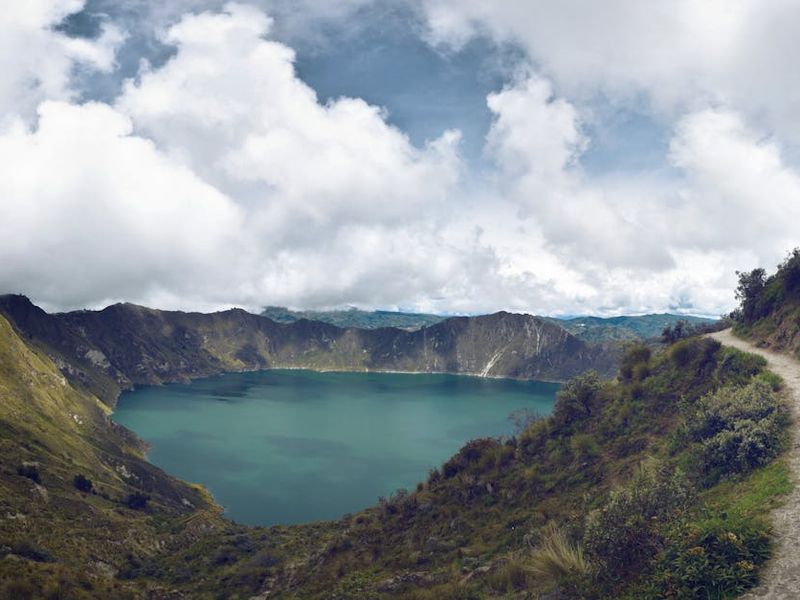
Expanding your practice beyond the city pays creative dividends. Cajas National Park, less than an hour from Cuenca, offers highland lakes, wind-sculpted grasses and moody skies — a dream for landscape painters and photographers. Bring layers: the temperature swings wildly and the light shifts rapidly.
Nearby artisan towns like Chordeleg and Gualaceo are treasure troves for material inspiration. Chordeleg is famous for filigree silver jewelry and tiny, rhythmic patterns; Gualaceo’s textile and ceramic traditions show how local craft motifs can influence contemporary design work. Spend a day in these towns learning techniques, sketching in markets and sourcing handmade materials.
Where to Work: Studios, Workshops and Quiet Corners
Cuenca’s compact size makes studio-hunting practical. Artist-run studios and shared spaces pop up frequently; consider these options when you first arrive:
- Shared studio spaces and artist collectives in El Centro and around the university, which often include access to kilns, printing presses or woodworking tools.
- Small private studios or room conversions in residential areas — ideal if you need a quiet place for drawing or oil work.
- Cafés and riverside benches for quick studies and people-watching; many cafés will allow you to display small works for sale on consignment.
Tip: reach out to the Universidad de Cuenca’s Facultad de Artes and Casa de la Cultura for short courses, open studios and announcements about shared facilities.
Materials, Climate and Practical Techniques
Cuenca’s climate is mild but humid, so material choices matter. Water-based media (acrylics, watercolors, inks) are resilient and quick-drying, while oils need more attention for curing. Consider water-mixable oil paints if you want oil textures without long drying times.
- Carry a portable pochade box or sketchbook for plein air sessions along the river and in markets.
- Use primed panels or gessoed paper to reduce warping in humid conditions.
- For sculpture, seek local hardwoods and clays in artisan markets; prosciutto? — sorry, that’s a snack—check small hardware stores around the university for basic tools.
Art supply availability is decent in Cuenca; stores near the university and central avenues stock basics. If you need specialty pigments or tools, larger online retailers that ship internationally might be necessary.
Finding Community: Where Local and Expat Artists Meet
Creating in isolation is possible, but connecting with local artists enriches your practice. Look for these entry points into Cuenca’s creative networks:
- Gallery openings and cultural nights hosted by Casa de la Cultura and small galleries in the historic center — they’re great for meeting painters, curators and collectors.
- Workshops and short courses at the university or independent studios — an easy way to learn local techniques and find collaborators.
- Markets and craft fairs — not only for buying materials but also for meeting artisans who often teach classes or collaborate on commissions.
- Online communities — Facebook groups for Cuenca expats and local artists, and WhatsApp circles, are active ways to hear about pop-up studios and shared workspaces.
Exhibiting and Selling Your Work in Cuenca
Cuenca’s tourist flow and local collectors create multiple sales channels. Cafés, boutique hotels and restaurants in the historic center often host rotating exhibitions and will take small pieces on consignment. Galleries range from commercial spaces to artist-run projects that accept new work.
For markets and craft fairs, expect to register with local organizers; a municipal vendor permit is sometimes required for regular stalls. If you’re unsure, start with weekend markets and temporary pop-ups before committing to a permanent spot. Consignment sales are low-risk and a practical way to test the market.
Pricing and presentation tips
- Keep a range of sizes and price points: postcards, small originals, mid-size framed works and larger statement pieces.
- Provide bilingual labels (Spanish and English) with title, medium and price — this helps both tourists and locals connect with your work.
- Consider limited editions or prints of popular works; local print shops can produce quality runs at reasonable cost.
Legalities, Etiquette and Practical Advice
Be mindful of local customs and rules. Some religious sites and museums restrict sketching or photography, so ask permission before working inside. When depicting people, especially in indigenous dress, ask for consent and offer a small fee if you use someone as a model — it’s respectful and fosters good relations.
Cuenca is generally safe, but take typical urban precautions in crowded areas. Keep valuable gear secure and insured if possible. If you plan to sell regularly, consult local regulations about taxes and permits; many artists begin informally and formalize their activities as they grow.
Creative Routines to Make the Most of Your Time
Structure helps creativity flourish. Here are a few routines tailored to Cuenca’s rhythms:
- Morning light sessions along the Tomebamba for quick tonal studies before the streets fill up.
- Midday museum visits to study technique and plan studio work inspired by artifacts or paintings.
- Late afternoon panoramas from Turi or rooftop cafés for broader compositions during golden hour.
- Weekends for day trips to Cajas, Chordeleg or Gualaceo to recharge with new textures and motifs.
Projects and Collaboration Ideas
Cuenca lends itself to collaborative projects that connect expat perspectives with local traditions. Consider:
- A series blending Andean textile patterns with contemporary abstraction, sourced from local weavers in Gualaceo.
- Community murals in partnership with neighborhood associations — a way to add large-scale public work to your portfolio.
- Residencies or exchange shows with universities or Casa de la Cultura to reach local audiences.
Final Tips: Staying Grounded and Inspired
As an expat artist in Cuenca, balance exploration with routine. Let the city’s rhythms teach you: mornings for observation, afternoons for research and museum time, evenings for socializing and gallery visits. Invest time in learning Spanish — even a few phrases deepens conversations and opens doors to studio collaborations and local markets.
Most importantly, accept imperfection. Part of Cuenca’s appeal is its layered, lived-in beauty: weathered walls, chipped tiles and bustling markets. These textures reward artists who are curious and persistent. Treat the city as an extended sketchbook, and the creative return will follow.
Quick Resource Checklist
- Best sketching times: early morning and late afternoon.
- Helpful contacts: Universidad de Cuenca arts programs, Casa de la Cultura (Núcleo del Azuay), local expat and artist groups online.
- Must-see day trips: Cajas National Park, Chordeleg, Gualaceo.
- Sales channels: cafés, galleries, artisan markets, consignment arrangements.
- Materials tip: favor water-based media or quick-drying oils; use primed supports to avoid warping.
Whether you’re sketching the gentle arc of a tile roof from a café terrace, learning filigree techniques in Chordeleg, or staging a first show in a cozy gallery, Cuenca offers a rich, human-scaled canvas. Arrive with curiosity, bring a reliable sketchbook, and let the city’s warm textures and clear mountain light shape your next body of work.