
Table of Contents
Why neighborhood choice matters for expats in Cuenca
Cuenca’s compact size, spring-like climate, and vibrant cultural life make it an attractive place for Americans planning a long stay or a permanent move. But the city is diverse: narrow cobblestone streets in the Historic Center contrast with broad avenues, riverside promenades, and leafy residential barrios. Choosing the right neighborhood affects your daily routine — commute times, access to healthcare and groceries, noise levels, and the kind of social scene you’ll find.
What American expats usually look for
Before diving into specific neighborhoods, it helps to understand typical priorities for U.S. expats:
- Proximity to quality medical services and pharmacies.
- Safe streets and walkability, especially for retirees.
- English-friendly cafes, services or an active expat community.
- Reliable utilities (hot water, internet) and easy access to groceries and markets.
- Reasonable commutes to the city center and cultural amenities.
Historic Center (Centro Histórico): charm, convenience, and daily life
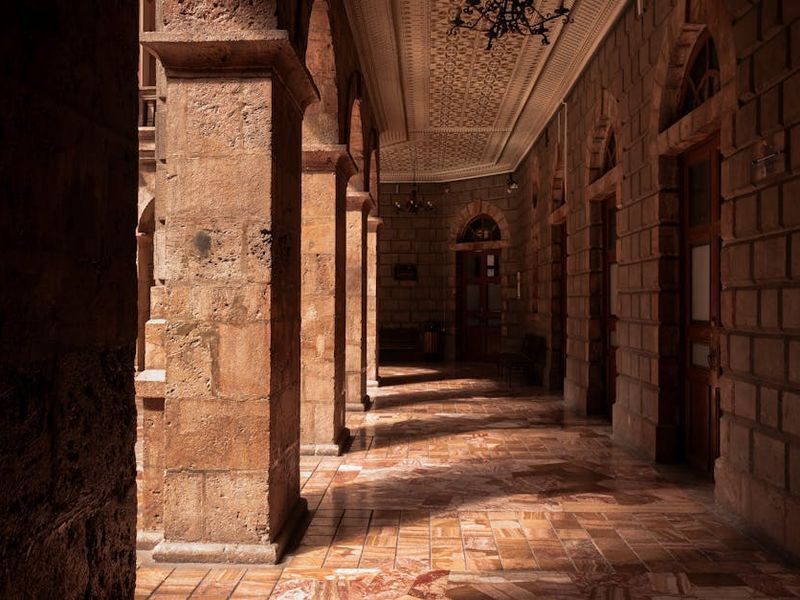
The heart of Cuenca — with the Parque Calderón, ornate churches and museums — is a top pick for Americans who love walking to cafes, galleries and artisan markets. Historic apartments often have high ceilings, exposed wood beams and balconies overlooking plazas. The social life here is vibrant: you’ll find English-friendly restaurants, book clubs, and frequent cultural events.
Pros: unrivaled atmosphere, most cultural institutions nearby, excellent pedestrian access and short taxi rides to almost anywhere in the city. Cons: noise on weekends, narrow streets that make parking difficult, and some older buildings with stairs and limited elevators.
Practical tip: If you rent in the Centro, ask about insulation and hot water systems — many older buildings rely on individual water heaters or have cooler daytime temperatures in rooms that face the street.
El Vergel and Jardines del Norte: modern living with parks
El Vergel and nearby Jardines neighborhoods appeal to families and retirees who want wider streets, sidewalks, and small parks. These barrios have a mix of newer apartment complexes and houses with modest yards. You’ll find mini-markets, bakeries and pharmacy chains clustered along main avenues.
Pros: quieter than the Centro, better parking and larger living spaces. Many buildings include modern amenities like elevators and secure parking. Cons: a slightly longer taxi trip to the Parque Calderón (typically 10–20 minutes depending on traffic).
Practical tip: Look for apartments on higher floors for better light but confirm elevator reliability; power outages can affect elevators briefly in some areas.
Totoracocha and Miraflores: balance between city and suburb
South of the Historic Center, Totoracocha and Miraflores offer a balanced lifestyle — easy access to central Cuenca but with a more suburban feel. These neighborhoods are known for tree-lined streets, local schools, and fairly friendly walking routes along small parks and green spaces.
Pros: family-friendly atmosphere, reasonable rent-to-space ratio, and several bilingual or international schools within short distances. Cons: fewer restaurants aimed at expats and the occasional heavy traffic during rush hours near major avenues.
Practical tip: If you have a car, confirm parking (enclosed garages are a plus). If you’re relying on taxis or buses, check distance to main routes — some pockets are pleasantly quiet but not well-served by transit stops.
San Sebastián and artisanal neighborhoods: culture and community
San Sebastián has a strong artisan tradition and is popular with expats who appreciate local culture and community markets. It’s a mix of affordable housing, small workshops, and streets full of character. This district is often favored by artists, writers, and those seeking a more authentic day-to-day Ecuadorian experience while still being near the central amenities.
Pros: deep cultural flavor, lower rents in many pockets, and close-knit neighbor networks. Cons: some parts are more rustic in infrastructure and may lack modern conveniences like consistent broadband in certain buildings.
Practical tip: If engaging with local craftspeople or markets, brush up on basic Spanish phrases — bargaining and building relationships are often done in Spanish.
Riverside neighborhoods (Tomebamba and Yanuncay): scenic and walkable
Many expats choose neighborhoods along Cuenca’s rivers because of the well-maintained promenades, parks and cycling paths. Living near the Tomebamba or Yanuncay rivers provides daily opportunities for long walks, jogging, and attending seasonal festivals that line the riverbanks.
Pros: scenic views, active outdoor lifestyle, and easy access to cafes and artisan stalls along the promenades. Cons: riverside properties can command a premium for views and proximity to the most popular walking routes.
Practical tip: Ask about flood maps or elevated ground if considering a ground-floor home close to the rivers; historically, the city manages its rivers well, but it’s wise to check.
Practical housing tips: what to ask before you sign
Renting or buying in Cuenca involves a mix of local customs and legal steps. Here are concrete things to verify:
- Utilities: Confirm if water heating is centralized or individual, how garbage and recycling are handled, and who pays for municipal water during dry season surcharges.
- Internet and TV: Ask for measured speeds and whether fiber is available in the building. Many expats rely on a combination of home internet and cellular data.
- Security: Check for secure entry systems, gated buildings, and if there is assigned parking or a garage. Ask neighbors about nighttime noise and safety.
- Lease terms: Typical leases are 6–12 months with a deposit of one month’s rent common; confirm clauses on termination, repairs and renewal.
- Furnishings: Furnished units are common for expats and usually include basics; inspect appliances and ask about maintenance responsibilities.
Healthcare, pharmacies and emergency access
For Americans settling in Cuenca, access to healthcare is often a top priority. Cuenca has good hospitals and clinics, including major public hospitals and private clinics known for international-standard care. Many expats choose neighborhoods with a short taxi ride to hospitals such as Vicente Corral Moscoso and local IESS facilities for routine care.
Pharmacies are widespread and often open late; many over-the-counter medicines are available without prescriptions. However, for ongoing prescriptions, establish a relationship with a local physician who can write or renew prescriptions and guide you to local specialists.
Practical tip: Keep photocopies of important medical records, know how to get language assistance at hospitals, and consider international health insurance that covers medically necessary evacuations if you plan frequent travel.
Transportation and getting around
Cuenca is easy to navigate. Taxis are abundant and affordable, and many expats use them as their primary transport. There’s also a public bus network and growing options for ride-hailing apps. If you plan to keep a car, consider neighborhoods with secure parking and easy access to major arteries for weekend trips out of the city.
Practical tip: Learn a few taxi safety practices — agree on a price or ask the driver to use the meter; keep small bills handy for short rides; and use reputable ride-hailing options if available.
Social life, clubs and American-friendly services
Cuenca has an active expat network. In the Centro and riverside areas you’ll find English-speaking meetups, yoga studios, and international restaurants. Neighborhoods with larger expat populations often have community bulletin boards listing language exchanges, hiking groups, and volunteer opportunities.
Practical tip: Join local Facebook groups and expat forums before moving. They’re excellent for current rental listings, contractor referrals, and advice on navigating services like utilities and municipal registrations.
Safety and neighborhood vibes
Cuenca is considered one of the safer large cities in Ecuador, but neighborhood safety varies. Central and well-trafficked areas are lively at night, while residential neighborhoods are typically quiet after dark. As in any city, take common-sense precautions: use well-lit streets at night, secure windows and doors and keep an eye on belongings in crowded markets.
Practical tip: When visiting a new neighborhood, take several walks at different times (early morning, midday and late evening) to assess noise, lighting and traffic patterns.
Budget expectations and living costs by neighborhood
Costs vary: central, scenic or newly developed areas tend to be pricier. Historic apartments with architectural charm near Parque Calderón may command higher rents, while pockets in artisan districts or farther from the center can be more affordable. Utilities, food and local transportation are generally lower than in most U.S. cities, but imported goods and upscale dining add costs.
Practical tip: Create a local monthly budget including rent, utilities, groceries, transport and healthcare. Factor in periodic expenses like visas, travel and sending money internationally.
How to choose the right neighborhood for you
Start by listing your non-negotiables: proximity to hospitals, internet reliability, space requirements, or access to international schools. Then use short exploratory visits in different neighborhoods to feel the vibe. Short-term rentals are common in Cuenca for this reason — they give you the flexibility to try a neighborhood before committing to a long-term lease.
Practical tip: If possible, rent for three months in one neighborhood and explore others during weekends. That hands-on approach usually reveals which location will truly fit your lifestyle.
Final thoughts: blending comfort and discovery
Cuenca’s neighborhoods each offer a distinct balance of Ecuadorian culture and expat-friendly conveniences. Whether you choose the cobbled romance of the Centro Histórico, the leafy calm of El Vergel, the riverside promenades, or the artisan soul of San Sebastián, you’ll find friendly neighbors, dependable services, and an accessible quality of life. With a little research and some on-the-ground exploration, you’ll discover the neighborhood that feels most like home.
Practical tip: Keep curiosity and patience as part of your moving toolkit — learning local routines, building relationships with neighbors and service providers, and adapting to Cuenca’s rhythms will reward you with a comfortable, vibrant new life in one of Ecuador’s most beloved cities.