
Table of Contents
Why Cuenca’s Markets Are a Must-Visit
Cuenca’s markets are where everyday life in the city pulses strongest. Beyond the colonial facades and leafy plazas, markets reveal seasonal food, artisanal skills passed down through generations, and a rhythm of commerce that shapes neighborhood identity. For visitors and expats, they’re the best places to save money, eat like a local, and bring home authentic Costa and Andean gifts.
Markets in Cuenca are not one-size-fits-all: there are large municipal markets with everything under one roof, neighborhood produce stalls with bargain prices, and open-air artisan fairs where potters, weavers, and hat-makers sell directly. This guide will help you find the freshest fruit and vegetables, the most trustworthy artisans, and practical tips to make shopping smooth and enjoyable.
Mercado 9 de Octubre: The Central Food Hub
Mercado 9 de Octubre is Cuenca’s main municipal market and a great place to begin. Expect rows of vendors selling vegetables, fruits, fresh herbs, bulbs of garlic and onions, cheeses, meats and live chickens in some sections. There’s also a lively food-court area where locals grab desayuno (breakfast) or lunch—perfect for trying hornado, mote, llapingachos, or a steaming bowl of caldo.
Tips for visiting Mercado 9 de Octubre: go early (7–10am) for the best produce and lighter crowds; bring small bills and coins; carry a reusable bag; and be ready to pick up seasonal treats at bargain prices. The market staff are used to visitors, and Spanish is the norm—learning a few phrases will make interactions friendlier.
Artisan Stalls by the Cathedral and Tomebamba River
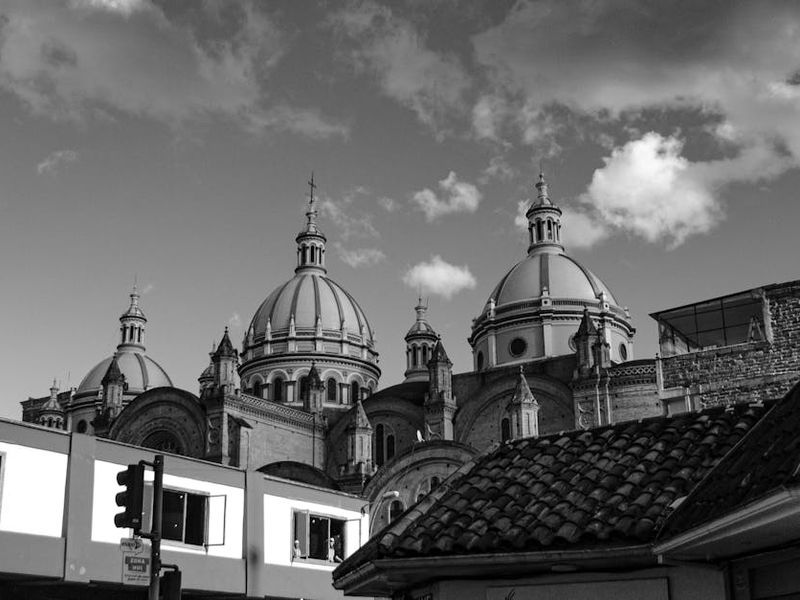
Within a short walk of the Parque Calderón and along the banks of the Tomebamba River you’ll find clusters of artisan stalls. These areas are tourist-friendly but still stocked by genuine local craftspeople. Browse for handwoven scarves and ponchos, tagua jewelry (vegetable ivory), pottery with Andean motifs, and leather goods made in local workshops.
When choosing crafts near the cathedral, look for items with tight, even stitching or consistent weaving patterns. For natural-fiber garments (wool, alpaca), check the texture and look for uniform dyeing. For accessories like tagua and wood carvings, ask about the maker—many artisans will happily tell you which town they’re from and how their piece was made.
Turi Hill: Crafts with a View
Turi, the hilltop viewpoint that overlooks Cuenca, also hosts many craft vendors. It’s a pleasant stop because you can combine a panoramic view of the city with shopping. Many items sold here—Panama hats, colorful woven bags, and locally made ceramics—are ideal for gifts or travel keepsakes.
If you’re eyeing a toquilla (often called “Panama”) hat, inspect the weave closely: a finer, tighter weave is a higher-quality hat. Many vendors at Turi will demonstrate the flexibility of the hat and show how it can be rolled. Be mindful of authenticity—ask about where the hat was made if that matters to you.
Weekly Farmers’ Markets and Neighborhood Ferias
Outside the city center, neighborhoods host weekly ferias campesinas where farmers bring produce straight from the valley and nearby highlands. These pop-up markets change location by day and are excellent places to buy bulk vegetables, local cheeses, and seasonal fruits at lower prices than the central market.
Look for signs that say “feria” or “venta de productos” and check neighborhood bulletin boards or local Facebook groups for schedules. Farmers’ markets often start early and wind down by early afternoon, so plan a morning visit. Many vendors will allow you to taste a sample—use that opportunity to try unfamiliar fruits like mora (Andean blackberry) or a sweet granadilla.
What to Buy: Fresh Produce and Specialty Foods
Cuenca’s food markets offer a mix of Andean staples and tropical flavors. Don’t miss these categories:
- Andean tubers and potatoes: dozens of varieties with different textures for boiling, frying or making llapingachos.
- Fresh herbs and leafy greens: ideal for soups and local stews; buy only what you need to keep them crisp.
- Fruits: look for granadilla, tree tomato (tomate de árbol), mora, and seasonal tropical fruits—perfect for juices and snacks.
- Dairy: local quesos and cuajada (fresh cheese) that are much fresher than supermarket equivalents.
- Grains and legumes: corn, mote, lentils and beans sold in bulk—good to stock up if you cook regularly.
- Prepared foods: empanadas, humitas, tamales—eat them hot at the market for the true local experience.
For longer-term pantry items, look for sellers offering dried corn varieties, toasted barley, and specialty local grains used in traditional recipes.
What to Buy: Crafts and How to Judge Quality
Cuenca is a great place to buy handcrafts—but quality varies. Here’s how to evaluate what you find:
- Textiles: count threads per inch; finer weaves and consistent dye suggest higher quality. Natural fibers like alpaca and wool will feel warm and breathable versus synthetic alternatives.
- Hats: for toquilla hats, a tight, uniform weave is a sign of craftsmanship. Ask if the hat is made in Montecristi or another toquilla-producing region if origin matters.
- Tagua: vegetable ivory carving should have smooth surfaces and detailed engraving—tagua is a sustainable and beautiful alternative to animal ivory.
- Ceramics and woodwork: look for even glazing on ceramics and consistent finishing on wooden items; small imperfections can be charming but large cracks or rough edges are signs to pass.
- Jewelry: for silver pieces, ask if it’s sterling (plata 925) and inspect solder joints and clasps for durability.
When possible, purchase directly from makers. They often provide a story with the item—where it was made and how—which adds value and supports local livelihoods.
Practical Shopping Tips
Make the most of market visits with a few practical habits. Always carry small bills: vendors often lack change for larger notes. Bring reusable bags or a foldable shopping tote—plastic bags are still common but many vendors will welcome an environmentally friendly alternative.
Haggling is acceptable in many artisan contexts, but be respectful. Start by offering about 70–80% of the asking price and aim for a polite middle ground. For produce, prices are usually fixed, but buying multiple items can sometimes earn you a small discount. Use Spanish phrases such as “¿Me puede dar un descuento?” (Can you give me a discount?) or “¿Cuánto cuesta por kilo?” (How much per kilo?)
Safety and hygiene are straightforward: keep valuables close, use a cross-body bag, and be mindful of pickpocketing in crowded stalls. When eating street food, choose stalls with a steady local clientele—high turnover usually means fresher, safer food.
Transport, Timing and Navigating the Markets
Most central markets are walkable from the historic center; taxis and buses reach neighborhood ferias. If you plan to buy heavy items, take a taxi back or bring a strong reusable crate bag to carry purchases on public transport. Avoid peak rush hours if you prefer a calmer shopping experience—early mornings are best for produce and late mornings for artisan browsing.
If you’re new to Cuenca, consider taking a guided market tour the first time. Tours introduce you to vendors who speak English, teach you typical prices and offer tastings—helpful to orient your future independent shopping trips.
Eating at the Market: Local Flavors You Shouldn’t Miss
Markets are as much about food as goods. Try a desayuno of caldo de gallina (chicken soup) or a plate of hornado with mote and salad. Empanadas de viento—light, fried empanadas dusted with sugar—are a perfect snack. Coffee in Cuenca is excellent; pick a stall with whole bean sacks on display and ask for a fresh cup brewed to order.
For those with dietary restrictions, markets are great for customizing meals—ask for milder seasonings or grilled options. Vendors are used to modifying portions and can accommodate requests if you speak plainly and politely.
Sustainability and Supporting Local Producers
Buying at Cuenca’s markets is a direct way to support small farmers and artisans. Consider these ideas to shop more sustainably: prioritize vendors who say “orgánico” or “sin pesticidas,” bring cash to avoid single-use plastic receipts, and choose items made locally rather than mass-produced trinkets.
If you buy higher-value items such as a handmade textile or a hat, offer fair compensation for the labor involved—this sustains the craft. Some markets also accept orders for custom pieces, which helps artisans plan materials and labor sustainably.
Suggested Half-Day Market Route for Visitors
Try this simple route to sample Cuenca’s market scene in half a day: start early at Mercado 9 de Octubre for produce and breakfast, stroll toward the Tomebamba River and browse the artisan stalls near the cathedral, stop for a short walk along the riverbanks to see local workshops, then take a taxi up to Turi for the viewpoint and craft vendors. Finish with a late-morning snack from a street vendor before heading back to the historic center.
This loop balances food, shopping and sightseeing, and leaves you with fresh ingredients and a handmade souvenir to take home.
Final Tips: Making Markets Part of Your Cuenca Life
Markets are more than tourist stops—they’re where many residents manage their weekly food shopping and social life. If you plan to stay in Cuenca, find a neighborhood feria or a favorite vendor at Mercado 9 de Octubre and build a relationship. Vendors often remember repeat customers and occasionally hold back the best produce for regulars.
Take time to learn vendor names and a few Spanish phrases, shop with respect and curiosity, and you’ll find Cuenca’s markets are a rich and rewarding way to connect with the city. Whether you’re hunting for the perfect toquilla hat, a jar of local honey, or a kilo of ripe granadillas, Cuenca’s markets welcome you to taste, try, and take a piece of the Andes home.