
Table of Contents
Why Cuenca Inspires Artists
Cuenca, Ecuador, often feels like a living sketchbook: red-tiled roofs, blue cathedral domes, winding rivers and a rhythm of everyday life that catches the eye. For expat artists, the city offers a unique blend of colonial architecture, indigenous crafts, Andean landscapes and a welcoming arts community. Whether you paint en plein air, make mixed-media pieces, or work digitally, Cuenca supplies a steady stream of visual and cultural stimuli.
Getting to Know Cuenca’s Creative Geography
Before I dive into specific spots, it helps to understand how the city is laid out. The historical center—the UNESCO-listed core—concentrates churches, museums and pedestrian-friendly streets. South and west of the center, neighborhoods like El Barranco and Las Herrerías offer bohemian cafes and riverside views. A short drive from the city you’ll find highland landscapes, páramo lakes and indigenous communities that are perfect for day trips. Knowing this geography lets you plan studio visits, sketching walks and excursions efficiently.
1. Plaza Grande / Parque Calderón: People, Architecture, and Light
The city’s main square is an essential starting point for any artist. Plaza Grande—or Parque Calderón—is surrounded by ornate colonial buildings and the New Cathedral with its distinctive blue domes. Morning and late afternoon light carve dramatic shadows across facades and create opportunities for studies in light, perspective, and figure drawing.
Practical tips: Visit early to avoid heavy tourist traffic and find a bench for quick sketches. Weekends often feature street performers and vendors, which makes the scene lively but also busier for photographing or observing details.
2. El Barranco: Riverside Bohemia and Studio Potential
El Barranco, the neighborhood along the Tomebamba River, is a magnet for artists. Narrow streets cascade down to manicured river terraces, old mills and small galleries. Cafes and artisan shops line the banks, and the area’s intimate plazas make it an ideal place for observational work, sketches, and painting studies.
Practical tips: Many cafés in El Barranco welcome artists who want to linger—ask first before setting up an easel. This neighborhood is also one of the better places to find short-term studio rentals or to meet other creatives at openings and pop-up markets.
3. Museo Pumapungo and the Archaeological Park: Time Layers and Textures
Museo Pumapungo sits at the intersection of anthropology, history and landscape. The museum’s archaeological sites, reconstructed Inca terraces and ethnographic exhibits are rich sources for patterns, ancient stonework, and indigenous textile motifs. The on-site gardens and small ruins offer quiet corners for concentrated drawing sessions.
Practical tips: Allow a few hours to explore both indoor and outdoor sections. The museum often displays local textile pieces that can spark ideas for color palettes and surface treatment.
4. Mirador de Turi and the City Panorama
For sweeping views of Cuenca, head to the Mirador de Turi, a hilltop viewpoint that makes it easy to compose cityscapes. The vantage exposes the grid of streets, the rhythm of the rooftops and the cathedral’s domes set against the surrounding mountains—ideal for large canvases, watercolor cityscapes or studies in aerial perspective.
Practical tips: Sunrise and sunset offer the most dramatic color, but brisk weather and altitude mean dressing in layers. The viewpoint is accessible by taxi or a continuous local bus route; plan transportation back down if you stay until dusk.
5. Local Markets: Color, Portraits, and Everyday Stories
Cuenca’s markets are a trove for artists: heaps of fruit, stacks of textiles, hatmakers, and vendors with expressive faces. These are places to study color relationships and texture and to gather reference material for portraits and genre scenes.
- Look for small produce markets near the historic center for vivid still life studies.
- Weekend craft markets often showcase contemporary artisans alongside traditional makers—excellent for sketching and sourcing materials.
Practical tips: Ask permission if you want to sketch people up close; most vendors are used to visitors and will be flattered. Carry small bills for quick purchases and to offer a token payment when using a model.
6. Parque Nacional Cajas: High-Altitude Landscapes and Mood
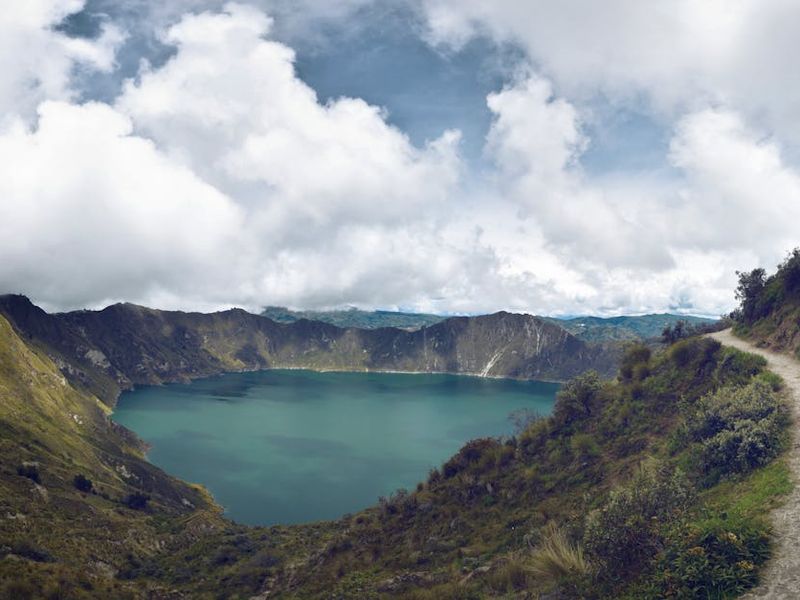
About an hour’s drive from Cuenca, Parque Nacional Cajas offers páramo vistas, lagoons, and geological formations that are a dramatic departure from the urban center. The high-altitude light and mist create moody, minimal landscapes perfect for atmospheric painting and photography.
Practical tips: Bring waterproof layers and plan for sudden weather changes. Guided hikes make it easier to reach lesser-known lakes and viewpoints. If you’re planning plein air sessions, choose calm weather windows since the open páramo can be windy.
7. Calle Larga and Gallery Hopping
Calle Larga, a pedestrian corridor in the city center, has a concentration of galleries, boutiques, and cafes that regularly host openings and small shows. It’s a practical place to meet other artists, display small works and understand the local gallery scene.
Practical tips: Attend openings in the evenings to network. Galleries often show contemporary Ecuadorian art and are receptive to collaborations with international artists—bring postcards or a concise portfolio.
8. Workshops, Studios, and Artistic Communities
Cuenca’s art life includes small workshops, cooperative studios and classes offered by universities and cultural centers. Joining a workshop is one of the fastest ways to learn traditional techniques from local artisans—textile dyeing, ceramic glazing or traditional weaving patterns—that can be integrated into your practice.
Practical tips: Look for announcements at local cultural centers and cafés, or check community bulletin boards. Language can be a barrier; short Spanish lessons will pay off, and many classes are friendly to non-native speakers.
9. Outdoor Cafés and Quiet Corners for Sketching
Cuenca’s café culture is generous to creatives: many small coffee shops provide reliable Wi-Fi, great coffee and a view. Cafés along riversides and shaded plazas are ideal for working on digital pieces, doing quick sketches, or editing photos between visits to sites.
Practical tips: Rotate between indoor cafes for rainy days and riverfront tables for plein-air sketching. If you travel with an easel, compact tabletop setups are more welcome than full-sized outdoor rigs in crowded cafés.
10. Textile Workshops and Indigenous Weaving Traditions
The southern highlands around Cuenca are alive with textile traditions. Patterns, dyes and weaving techniques from indigenous communities offer endless inspiration for color systems and surface texture. You’ll find small artisan workshops and cooperative stalls selling handwoven scarves and tapestries.
Practical tips: Buy directly from artisan cooperatives to support communities and ensure authenticity. Take close-up photos of patterns for later studio work, and ask about natural dyes if you’re interested in experimental pigment work.
Practical Considerations for Expat Artists
Moving to or spending extended time in Cuenca requires some practical planning. Here are some essentials to keep your creative practice flowing:
- Studio space: Short-term studios exist, but many artists start in a spare room or shared studio. Explore neighborhood listings and Facebook groups to find shared creative spaces.
- Art supplies: There are local art supply stores in the city center; for specialty materials you may need to order online or bring them from larger Ecuadorian cities. Adapting to locally available materials can also lead to creative breakthroughs.
- Health and altitude: Cuenca sits around 2,560 meters (8,400 feet); give your body time to adjust and carry a water bottle. The sun is strong—use high-SPF sunscreen for outdoor sessions.
- Language and community: Basic Spanish will open doors. Look for art groups, expat meetups and local cultural centers to build networks quickly.
How to Turn Inspiration into Income
Many expat artists wonder how to support themselves while in Cuenca. The city’s arts ecosystem provides several income channels:
- Local exhibitions: Small galleries and cultural centers often accept submissions from emerging artists.
- Workshops and teaching: Offer English-language sketch tours or art classes tailored to other expats and tourists.
- Markets and pop-ups: Weekend craft markets and gallery nights are good venues for selling prints and small originals.
- Commissions: Portraits, murals or bespoke pieces for restaurants and guest houses are in demand as the city grows its tourism and hospitality scene.
Practical tip: Build a simple bilingual portfolio (Spanish and English) and a concise artist statement. Local gallery owners and shopkeepers appreciate clear, professional materials when considering new works.
Seasonal Rhythms and Planning Your Creative Calendar
Cuenca’s cultural life has seasonal peaks—festivals, cultural weeks and holiday markets—that attract visitors and stimulate creative activity. Plan projects around these cycles if you want to participate in group shows or market events. Also consider weather: dramatic skies and crisp light often coincide with drier months while rainier periods are perfect for studio-focused work.
Respectful Practices for Visiting Indigenous and Sacred Sites
Many of the most inspiring sites in and around Cuenca are linked to indigenous heritage. Respectful engagement is essential: ask permission before photographing people in ceremonial dress, support local artisans directly, and be mindful when sketching in sacred or private spaces. Building trust with local communities often leads to deeper creative exchanges and richer work.
Bringing It All Together: A Weeklong Creative Itinerary
If you’re short on time, here’s a sample week that balances urban exploration, landscape work, community engagement and rest:
- Day 1: Plaza Grande and Calle Larga—sketch architecture, visit galleries.
- Day 2: El Barranco—riverside studies, café editing.
- Day 3: Museo Pumapungo—textile and archaeological studies.
- Day 4: Market day—still life and portrait studies of vendors.
- Day 5: Mirador de Turi—panorama pieces and sunrise/sunset session.
- Day 6: Parque Nacional Cajas—day trip for landscape work.
- Day 7: Studio day—translate sketches into larger works and prepare for a small pop-up or online posting.
Final Thoughts: Let Cuenca Change Your Visual Vocabulary
Cuenca rewards artists who pay attention to the small, human moments as much as the grand vistas. Its streets, rivers and markets offer continuous material for exploration. As an expat artist you’ll be invited into a creative community that values both tradition and fresh perspectives. Take time to learn local techniques, invest in relationships, and allow the city’s textures—stone, textile, water and sky—to reshape your visual language.
Above all, work slowly and listen. Inspiration in Cuenca often comes not from grand gestures but from the quiet repetition of everyday life: a hatmaker’s hands, a child skipping stones on the Tomebamba, steam rising from a food stall at dawn. Those are the moments that will anchor your work and give it a specificity that resonates.
Quick Resources
- Bring layered clothing and sunscreen; Cuenca is high-altitude with strong UV.
- Carry a small sketchbook and compact watercolor set for spontaneous studies.
- Learn basic Spanish phrases for easier interactions in markets and workshops.
- Check local cultural center bulletin boards and social media for workshop listings and gallery openings.
With curiosity and respect, Cuenca becomes more than a backdrop—it becomes a creative partner. Let this guide be a starting point: explore, experiment, and let the city’s rhythms and textures find their way into your art.