
Table of Contents
Why Cuenca is a Photographer’s Playground
Nestled in Ecuador’s southern highlands at around 2,500 meters elevation, Cuenca blends colonial architecture, Andean landscapes, lively markets, and intimate daily rituals. The UNESCO-listed historic center, with its cathedral domes, cobblestone streets and riverside promenades, offers an almost endless palette for photographers who want architecture, street life, nature and cultural moments in one compact city.
Essential Gear for Shooting in Cuenca
Pack a versatile kit that suits multiple styles. A wide-angle zoom (16–35mm or similar) is ideal for cathedral interiors, plazas and river vistas; a standard prime (35mm or 50mm) works beautifully for street portraits and low-light scenes; a mid-telephoto (70–200mm) helps isolate details and capture candid moments across a plaza. Add a small travel tripod for sunrise, blue hour and long exposures along the Tomebamba. Bring a circular polarizer to reduce glare on water and deepen skies, and extra batteries because cooler mornings and long walks drain them faster at altitude.
Iconic Landmarks: Must-Shoot Architecture
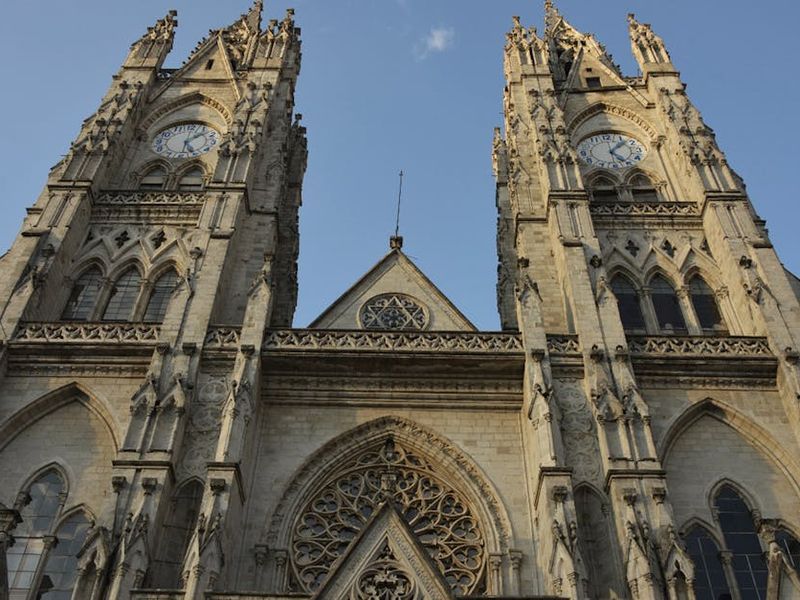
Start in the heart of the city at the Plaza de la Independencia (Parque Calderón). The New Cathedral’s striking blue domes create a signature silhouette—try framing them from the plaza, then explore side streets for different angles that incorporate balconies, vendors, and the rhythm of everyday life. The Old Cathedral’s solid stone and darker tone make a great contrast when shooting architectural details and ironwork.
Don’t miss narrow alleys and hidden courtyards around the historic center. Streets like Calle Larga and the small stairways up to the San Sebastián neighborhood offer textured cobbles, colorful doors and locally painted facades—perfect for compositions using leading lines and repetition.
Sunrise and Sunset: Where to Catch the Best Light
For sweeping panoramas, head to the Mirador de Turi on the southern hill. Sunrise from Turi delivers soft, pastel skies and a quiet city below; sunset paints the cathedral domes and riverbanks in gold. Another exceptional vantage point is the walkway above the Tomebamba on the east bank: as the sun sets, the water and colonial facades take on warm tones that are fantastic for reflections and silhouette shots.
If you prefer an urban golden hour, aim for Calle Larga and the blocks around the cathedral just before sunset when windowlight and street lamps begin to pop. Nightfall is also a good time to photograph the cathedral under artificial light—use a tripod for crisp, low-noise images.
Markets and Street Scenes: Color, Texture and Human Stories
Cuenca’s markets are a treasure trove for vibrant, intimate photography. Mercado 10 de Agosto is bustling with fresh produce, meats and lively vendors. Early morning is best: vendors are setting up, light is soft, and shoppers move through the aisles, creating candid opportunities. Ask before photographing faces—most vendors are friendly and will often welcome a photographer if you take a moment to talk.
The flower market near the Tomebamba river is another sensory feast. Bouquets, floral vendors and the play of color against stone streets make for great still-life studies as well as environmental portraits. Markets reward the patient shooter: wait for gestures, exchanges, and patterns of movement to capture meaningful frames instead of merely picturing objects.
The Riverbanks and Bridges: Compositions with Water
The Rio Tomebamba carves through the historic core and provides many photogenic vantage points. Walk the riverside promenades for reflections of colonial walls and bridges in calm water. The so-called “Puente Roto” or Broken Bridge, a short walk from the center, makes a moody subject—its remnants and arches frame the river and nearby greenery.
Use long exposures to smooth the river surface and emphasize reflections. A neutral density filter helps if you want silky water even in brighter daylight. For wildlife and birding shots along the river, bring a telephoto and a steady hand—early morning is when birds are most active.
Pumapungo, Museums and Cultural Corners
The Museum and Archaeological Park of Pumapungo combines Inca ruins, ethnographic exhibits and lush gardens. The small hummingbird garden is a highlight for macro and high-speed photography—use a fast lens and be prepared for quick, erratic motion. The archaeological terraces and stonework are great for texture shots and abstract patterns.
Away from the ruins, cultural institutions and small museums around the historic center offer portrait-worthy interiors, archways and artifacts. Many museums have courtyards with natural light ideal for balanced exposures. Be mindful of museum photo policies—flash is often restricted.
Hidden Neighborhoods and Local Life
Walk beyond the main tourist loops to neighborhoods like San Sebastián and El Barranco. Here you’ll find quieter streets, craft workshops, and everyday scenes—tailors, shoemakers, and artisans at work. These areas often reveal unguarded moments of daily life: children playing, old men chatting in doorways, or artisans working on traditional Panama hats (which are actually made in other regions but sold in Cuenca).
Approach subjects respectfully and learn a few Spanish phrases—“¿Puedo tomarle una foto?” (Can I take your picture?) goes a long way to opening doors and earning smiles. A small gift or swapping prints later is a wonderful way to show appreciation.
Festival and Event Photography: Timing Makes a Difference
Cuenca’s calendar includes religious processions such as Semana Santa (Holy Week) and local civic celebrations—these events provide dramatic, emotional images with candles, banners and processional crowds. Planning ahead is essential: arrive early to claim a good vantage point and expect blocked streets and limited access during major processions.
If you want candid festival coverage, scout the route in advance and identify side streets for alternative angles. Fast lenses and compact bodies are useful in crowded environments where mobility matters.
Night Photography and Long Exposures
Night transforms Cuenca. The cathedral domes glow against the sky and river reflections shimmer. Use a tripod for blue hour shots and experiment with longer exposures to capture moving clouds or softened water. Street lamps and illuminated storefronts create warm tones—try mixed-light white balance settings or shoot RAW so you can correct color shifts later.
For light trails and urban motion, find a higher viewpoint—Turi and other miradores give you elevated lines of car traffic and illuminated rooftops. Respect private property and local regulations when accessing viewpoints at night.
Drone Photography: Aerial Perspectives (Regulations and Etiquette)
Aerial photos can show the full geometry of Cuenca’s domes, river curves and layout, but drone flights in Ecuador are regulated. Before launching, check national and municipal rules, avoid flying near government buildings, hospitals or dense crowds, and respect no-fly zones around sensitive heritage sites. If you’re unsure, contact local drone clubs or tour operators who can arrange legal flights and provide local knowledge.
Practical Tips: Safety, Permissions and Local Customs
Cuenca is generally safe for photographers, but as in any city, keep common-sense measures. Carry gear in a secure bag, avoid flashing expensive equipment in isolated areas at night, and use discrete straps or padded camera covers. Be polite when photographing people—many locals appreciate a brief introduction. When photographing inside markets, churches, or private properties, ask permission and be prepared to pay small fees for guided access or tripod use if required.
Altitude affects both your body and gear: stay hydrated, watch for mild altitude fatigue, and give batteries extra care in cold mornings. Local telecom providers offer prepaid SIM cards for data—use them to upload images or check mapping apps while you’re out shooting.
Photo Walk Itineraries: Sample Routes for a Day of Shooting
Sunrise and Cultural Morning: Start at Mirador de Turi for dawn light, then descend to Pumapungo for museum gardens and hummingbirds. From there, head to Mercado 10 de Agosto as vendors arrive, capturing market rituals and breakfast scenes.
Afternoon River Walk and Old Town: After lunch, stroll along the Tomebamba, photograph the bridges and the Puente Roto, then wander through Calle Larga and the cathedral area for architectural details and street portraits. End at a riverside café for golden hour reflections.
Evening Blue Hour and Night: Plan to return to Parque Calderón as the cathedral lights come on, shoot blue-hour exposures, then explore side streets for illuminated doorways and nighttime street life.
Post-Processing and Sharing Tips
Shoot RAW to retain maximum tonal range in Cuenca’s varied light. Bring up shadow detail for interior and market shots, but preserve highlights on sunlit domes. For architectural shots, correct perspective distortion in post to keep vertical lines straight. When sharing on social media, write short captions that provide context—name the neighborhood, the time of day or the story behind the image to engage viewers.
Where to Print, Exhibit and Connect with Local Photographers
Cuenca has several small print shops and galleries in the historic center—look for local labs that print fine art paper and offer color profiling. Galleries occasionally host exhibitions of local and expat photographers; check cultural centers and museum bulletin boards for openings. Joining a local photography group or workshop is a great way to learn hidden spots and meet models or guides who can facilitate portrait sessions.
Final Checklist Before You Head Out
- Charged batteries and spares (altitude drains power faster)
- Memory cards with enough capacity for RAW files
- Travel tripod and a polarizing filter
- Light rain cover—Cuenca weather can be changeable
- Basic Spanish phrases for polite interactions
- Local map or offline maps app to navigate narrow streets
Closing Thoughts
Cuenca is a compact, richly textured city that rewards curiosity. Whether you want striking architectural studies, candid portraits of market life, hummingbird close-ups, or moody river landscapes, the city offers diverse subjects a short walk apart. Plan for light, move slowly, and let the rhythms of the city guide your compositions. With preparation and respect for local customs, you’ll return home with images that capture both the beauty and the stories of Cuenca.