
Table of Contents
Why Cuenca Feels Magnetic to Artists
Cuenca, Ecuador is more than a pretty colonial postcard — it’s a living canvas. With its blue-domed cathedral rising above cobbled plazas, willow-lined riverbanks, Andean vistas just outside town, and a steady rhythm of markets and festivals, the city offers constant visual and cultural stimuli. For expat artists seeking new subject matter, community, and affordable studio space, Cuenca’s combination of historic architecture, active artisan markets, and nearby natural landscapes is unusually generous.
Practical Considerations Before You Unpack Your Easel
Altitude and climate
Cuenca sits at roughly 2,560 meters (about 8,400 feet). That altitude means cooler temperatures, thin air, and stronger UV. For painters, pigments may dry differently and paper can react to moisture fluctuations. Dress in layers — days are often mild, mornings and evenings chilly — and bring high-SPF sunscreen and a hat for outdoor painting sessions.
Best seasons for plein air work
The highland weather has a distinct rainy season and a dryer window. The clearest light tends to be during the dry months (roughly June–September), but dramatic skies and lush color after rains (October–May) can be equally inspiring — just expect more sudden showers. Plan flexible plein-air days and always carry a lightweight rain jacket and plastic covers for supplies.
Materials and supplies
Cuenca has local art supply shops clustered around the university and the historic center where you can find paints, brushes, canvases, and paper. If you work with specialized materials (large format canvases, archival inks, certain pigments), bring a stash with you or arrange international shipping. For quick sketches and studies, inexpensive local sketchbooks and water-soluble pencils are easy to stock up on in town.
Neighborhoods That Feed the Imagination
Historic Center and Parque Calderón
The city’s heart, centered on Parque Calderón, is a constant hive of color: vendors, musicians, colonial facades, and the twin cathedral domes. Early morning light here is exceptional — soft and even, with long shadows across the cobbles that are perfect for tonal studies. Cafés and benches around the park are convenient sketching perches, and the architecture offers endless compositional possibilities.
El Barranco and riverside walks
Down by the Tomebamba River, the El Barranco neighborhood reveals narrow alleys, ornate balconies, and steep terraces. The riverbanks, lined with willows and old stone retaining walls, create layered scenes that suit both plein-air painting and photography. Come mid-afternoon for the warm, filtered light between the buildings or stay for twilight when lamps and storefronts add points of color.
San Sebastián and artisan corners
San Sebastián and adjacent barrios are quieter, with workshops and artisan homes tucked into cobblestone streets. Meandering here you’ll find studios, small galleries, and families still practicing traditional crafts. These neighborhoods are ideal for connecting with makers and for portrait or interior studies that capture everyday life beyond the plaza.
Top Places to Sketch, Paint, or Photograph
Museo Pumapungo and its gardens
Museo Pumapungo (run by the national bank) combines archaeological ruins with ethnographic collections and an ethnobotanical garden. The site’s layered history — Inca terraces, colonial structures, and native plantings — provides textural variety and a strong sense of place. The gardens are particularly rich for botanical studies and for practicing mixed-media work that combines drawing with collage of natural elements.
Riverside promenades and bridge views
The Tomebamba’s walkways offer a ribbon of visual focus running through town. Cross any of the smaller bridges and you’ll be rewarded with framed views of colonial facades, tiled roofs, and the cathedral domes in the distance. These vantage points are great for compositional experiments and for practicing painting reflections and water textures.
Cafés and bookshops on Calle Larga
Calle Larga is Cuenca’s cultural spine — a pedestrian-friendly avenue lined with cafés, bookstores, and galleries. It’s excellent for observational drawing: patrons, musicians, and passersby provide steady material. Many cafés welcome artists staying for hours; ask before you set up an easel, and bring a small purchase to show appreciation.
Markets and Craft Hubs: Color, Texture, and Materials
Artisan markets near the center
Near the main plaza you’ll find stalls selling textiles, ceramics, silver jewelry, and handwoven hats. These markets are a photographer’s dream for close-up study of pattern and ornament, and they’re ideal for sourcing small handcrafted elements to incorporate into mixed-media work. Take time to talk to vendors — many will let you photograph patterns or show you variations not on display.
Day trips to Chordeleg and Gualaceo
Short bus rides outside Cuenca bring you to Chordeleg (famed for filigree silver) and Gualaceo (known for weaving and ceramics). These towns are living workshops; you can watch artisans at looms and forges, and find distinctive materials and finished goods. For a series exploring craft traditions, these towns are indispensable.
Institutions, Galleries, and Workshops to Tap Into the Local Scene
Casa de la Cultura and the Universidad de Cuenca
Casa de la Cultura (the local branch) and the Fine Arts Faculty at Universidad de Cuenca are community anchors for exhibitions, workshops, and lectures. They frequently host opening nights and collaborative shows where expat and local artists cross paths. Reach out to inquire about guest workshops, short-term residencies, or shared studio time.
Independent galleries and collective spaces
Cuenca’s gallery scene is small but active. Look for independent galleries in the historic center and pop-up shows in renovated colonial homes. Artist collectives often stage monthly exhibits and open studio events. These spaces are excellent for networking — bring a portfolio and business cards to make connections with curators and other artists.
Finding a Studio or Affordable Workspace
Expats often rent a small studio apartment with an extra room to use as a workspace, or they join co-op studios near the university. Neighborhoods like San Sebastián and areas just uphill from the center tend to offer the best balance of price and proximity. Ask at local galleries or university bulletin boards for short-term studio sublets. Co-working spaces for creatives are becoming more common; they provide shared amenities like sinks, drying racks, and secure storage for canvases.
Practical Tips for Plein-Air and Urban Sketching in Cuenca
- Bring a lightweight stool and a clip-on umbrella: cafés and plazas can be crowded, and shade is irregular.
- Use toned paper or a mid-value ground for quicker studies; the high-contrast light is especially flattering at dusk and dawn.
- Carry a small roll of gaffer tape and a few clothespins to secure paper when wind picks up along the river.
- When sketching people in markets and at festivals, ask permission before photographing or making extended portraits — locals appreciate the respect.
- Keep a travel-size portfolio and a few ready-to-ship pieces if you plan to sell — galleries sometimes want to whisk works off to shows or buyers want art to leave with them the same day.
How to Build a Local Audience and Sell Your Work
Cuenca’s art market blends tourists, local collectors, and expat communities. Start by showing small works in cafés and at weekend craft markets. Participate in monthly gallery openings and artist nights where collectors circulate. Consider collaborations with boutique guesthouses and B&Bs that often buy decorative pieces for rooms. Online platforms matter too: maintain active listings on Instagram and local Facebook artist groups, and use Spanish-language descriptions to reach Ecuadorian buyers.
Connecting with the Community: Language, Respect, and Collaboration
Spanish will take you far. Even a modest effort goes a long way to open doors in studios and markets. Learn basic art vocabulary and phrases to explain your process, negotiate, and request permission to sketch. Cultural exchange is valued here: offer a small workshop in exchange for studio access, barter art supplies for guest demos at artisan shops, or co-host an exhibit that highlights both local craftspeople and expat perspectives.
Inspirational Routes Beyond the City Limits
Parque Nacional Cajas
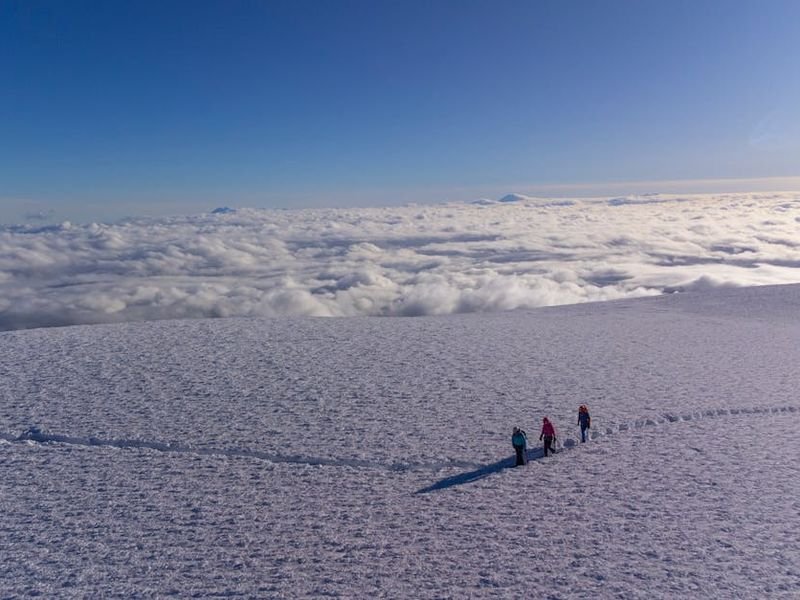
An hour’s drive from Cuenca, Cajas offers wind-sculpted paramo landscapes, high-altitude lakes, and dramatic cloudscapes. It’s a place to collect mood studies and to practice landscape painting under uncommon light and weather. Dress warmly and bring waterproofs.
Andean villages and roadside scenes
Short trips to markets and villages along the Pan-American highway reveal daily life: shepherds, terraced fields, and colorful market stalls. These scenes are intimate portraits of Andean life and can be powerful additions to a body of work focused on cultural observation.
Budgeting for an Artistic Life in Cuenca
Cuenca is known for affordability compared to North American or European cities. Expect lower rents, inexpensive meals at local markets, and affordable studio sharing. Still, imported art supplies and large-scale framing can be costly. Budget for occasional trips to wholesale cities for supplies, and factor in export costs if you’re selling internationally. Join a local artists’ association to learn how others manage shipping and customs for art sales.
Wrapping Up: Turning Cuenca’s Everyday Moments into Artistic Stories
What makes Cuenca especially fertile for expat artists is the city’s layered textures: colonial masonry, riverfront gardens, market stalls brimming with pattern, and the ever-present backdrop of the Andes. Inspiration here is rarely sudden — it grows from repeated visits to the same bench, conversations with a vendor, or a series of sketches made along the same stretch of river. Treat the city as a long-term study, and you’ll find entire bodies of work emerging from its streets, stalls, and skies.
Whether you’re sketching the cathedral domes at dawn, studying silhouette and shadow along El Barranco, or learning filigree techniques in Chordeleg, Cuenca rewards curiosity. Pack your tools, learn the rhythms of the neighborhoods, and let the cobblestones lead you to scenes you wouldn’t have planned — that’s where the richest work often begins.