
Table of Contents
Why Cuenca attracts Americans, and how neighborhoods differ
Cuenca is consistently one of the top Ecuadorian destinations for North American expats — mild climate, colonial charm, affordable healthcare, and a large international community. But the city is not a single experience: neighborhoods range from centuries-old plazas to modern riverside developments. Choosing the right barrio affects your daily routine, budget, and quality of life.
This guide focuses on areas widely favored by Americans and long-term expats. For each neighborhood you’ll find what to expect for safety, transport, housing costs, nearby services, and the type of lifestyle it supports — whether you want walkable cobblestone streets, green parks for pets, or newer condominiums with elevators and parking.
Quick facts to keep in mind about living in Cuenca
- Altitude: roughly 2,500–2,600 meters (8,200–8,530 ft) — plan a short acclimatization period.
- Climate: springlike year-round; pack layers and a waterproof jacket.
- Money: US dollars are the national currency — no exchange hassles.
- Transport: buses are cheap (around $0.25–$0.35) and taxis are inexpensive; app-based services are available intermittently.
- Health: excellent private clinics and specialists at lower cost than in the U.S.; many doctors speak at least conversational English in larger clinics.
Top American-friendly neighborhoods in Cuenca
1. Centro Histórico (around Parque Calderón)
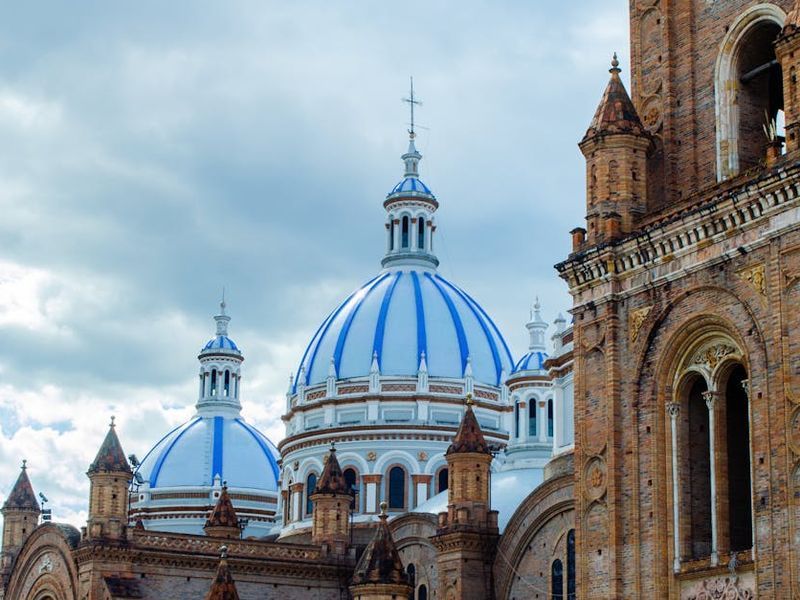
The Historic Center is the postcard image of Cuenca: cathedral domes, artisanal shops, and a lively café scene. Americans who love walking everywhere and being at the heart of festivals and restaurants choose this area.
- Vibe: Tourist-friendly, historic, bustling during the day and lively at night.
- Housing: small apartments in colonial buildings and a few modern conversions; 1-bedroom rents often range $350–$650 depending on size and amenities.
- Amenities: galleries, specialty coffee shops, English-speaking tour operators, and easy access to classical music and theater.
- Considerations: cobblestones and stairs are common; parking and elevators rare; higher noise levels, especially on festival weekends.
2. San Sebastián
San Sebastián blends authentic local life with a growing bohemian expat scene. It’s known for artisan markets, the famous flower market, and a strong sense of neighborhood identity.
- Vibe: Artsy and traditional; great for people who want immersion in local culture while still accessing expat services.
- Housing: a mix of older apartments and house rentals; expect pricing similar to Centro or slightly lower.
- Amenities: weekly markets, bodegas, neighborhood bakeries, and easy access to bus lines into the center.
- Considerations: narrow streets and fewer modern conveniences in some pockets; an ideal spot for someone learning Spanish and enjoying markets.
3. Totoracocha and riverside areas
Totoracocha sits along the Tomebamba-Yanuncay corridor and features newer apartment complexes, green trails, and a quieter pace. Many Americans who want modern buildings, secure parking, or proximity to jogging paths choose these riverside zones.
- Vibe: Suburban-meets-urban with green riverwalks and newer construction.
- Housing: multi-unit buildings with elevators and secure parking; 1–2 bedroom units often fall between $400–$850 depending on finish and location.
- Amenities: supermarkets, gyms, pharmacies, and pet-friendly parks nearby.
- Considerations: still close to the center by taxi or a longer walk; expect more automobile traffic during rush hours.
4. El Vergel and Parque La Madre area
El Vergel and the surroundings of Parque La Madre are appealing for families and retirees who want green space and community activities. Parque La Madre is a beloved local green lung with trails, playgrounds, and weekend outdoor exercise groups.
- Vibe: Residential and family-oriented, with a strong local community feel.
- Housing: single-family homes and mid-rise condos; you’ll find larger apartments and more space for similar money compared with downtown.
- Amenities: proximity to parks, medical clinics, and schools. Great for dog owners and people who enjoy daily walks.
- Considerations: quieter after dark; fewer nightlife options within walking distance.
5. Ricaurte and Avenida Remigio Crespo
Ricaurte and parts of the north of the historic center along major avenues provide a balanced mix of residential streets and commercial corridors. This area attracts Americans who want good shopping, bakeries, and convenient transit links.
- Vibe: Practical and convenient — a no-surprises neighborhood for daily life errands.
- Housing: varied — from classic apartments to modern condos; rentals are competitive and often include better utility access.
- Amenities: Supermarket chains (Supermaxi, Mi Comisariato), banks, clinics, and restaurant strips.
- Considerations: close to busier traffic arteries, which can impact noise but also cuts commute times.
6. Yanuncay corridor and newer developments
The Yanuncay river corridor has seen modern development in recent years. Newer towers and gated communities target professionals and expats who want security features, gyms, and underground parking.
- Vibe: Contemporary, secure, and often quieter than the very center.
- Housing: larger condominiums with amenities; 2-bedroom units commonly priced $600–$1,200 depending on finishes and services.
- Amenities: shopping centers, medical centers, and off-leash pet zones are often part of nearby infrastructure.
- Considerations: these developments can feel less integrated with traditional Cuencan life but offer many conveniences.
How American expats typically choose a neighborhood
Deciding where to live in Cuenca often comes down to three factors: walkability, budget, and lifestyle. Ask yourself these quick questions: Do I want to walk to cafés and the weekly market? Do I need an elevator and secure parking? How important is proximity to a specific clinic or international school?
Many Americans start with short-term rentals (Airbnb or a furnished month-to-month) in Centro or San Sebastián to get a feel for daily rhythms. After a few weeks, they scout longer-term options in riverside or northern neighborhoods.
Practical tips for finding housing and settling in
Finding listings and reliable help
Use a mixture of Facebook groups (search for “Expats in Cuenca” and “Cuenca Housing”), local realtors, and classified websites. Walk around the neighborhoods you like and look for “Se Arrienda” signs — many landlords still prefer in-person inquiries. Realtors can simplify paperwork but expect to pay a fee equal to one month’s rent or included in the contract.
Typical rental costs and negotiation
Rents vary but general ranges are helpful: studios and small 1-bedrooms $250–$650; comfortable 2-bedrooms $450–$1,000; houses or luxury condos over $1,000. Always ask what utilities are included — sometimes water and building fees are covered but electricity and internet are extra. Don’t be afraid to negotiate, especially for longer leases or off-season moves.
Lease details and tenant rights
Leases are commonly 6 or 12 months, with a deposit equivalent to one month’s rent. Get everything documented: inventory lists, maintenance responsibilities, and how repairs will be handled. Spanish-language contracts are standard — if you’re unsure, have a bilingual friend or a lawyer review key terms.
Money, healthcare, and services
Cost of living expectations
Cuenca is much cheaper than most U.S. cities. Expect monthly groceries and dining out to be reasonable; a mid-range restaurant meal often costs $6–$12. Utilities for a typical apartment can range $30–$80, depending on usage and heating needs (electric water heaters are common).
Healthcare access
Cuenca hosts excellent private clinics and specialists, including English-speaking physicians in larger hospitals. Many Americans choose private care (pay-as-you-go or international insurance) while pursuing residency and local health insurance options. Pharmacies are plentiful and well-stocked for common prescriptions.
Getting around and staying safe
Transportation
Walking is ideal in many neighborhoods, especially Centro and San Sebastián. Buses are cheap and extensive; taxis are practical and inexpensive for early mornings or nights. App-based ride services are available but not as ubiquitous as in major U.S. cities. If you plan to drive, be aware that narrow streets and parking are constraints in historic areas.
Safety tips
Cuenca is generally safe compared to many international cities, but petty crime exists. Keep the usual precautions: avoid flashing valuables, take a taxi after dark when you’re not sure of the route, and secure doors and windows in ground-level homes. Neighborhoods described here are frequently chosen because of their perceived safety and proximity to services.
Community, language, and making Cuenca home
Americans are drawn to Cuenca’s active expat community, English-friendly services, and plenty of volunteer opportunities. Language is a major factor — many newcomers take Spanish classes at local academies or practice with language exchange meetups. Being able to speak even basic Spanish accelerates integration into local markets, clinics, and neighborhood life.
Look for groups centered on hobbies — hiking clubs, photography walks, gardening circles, and language exchanges — which are often the quickest way to meet both locals and fellow expats. Volunteering in a community program is another excellent way to form deeper connections.
Final checklist: choosing the neighborhood that fits you
- Walk the area at different times of day to test noise and safety.
- Check proximity to the services you need: clinics, supermarkets, parks, and public transit.
- Test commute times (taxi vs. bus vs. walking) to where you’ll most often go.
- Ask neighbors and expats about hidden costs like building maintenance fees or unreliable utilities.
- Factor in acclimatization to altitude and plan a few weeks before committing to a long lease.
Conclusion: Start with curiosity, then stay where you thrive
There’s no single “best” neighborhood in Cuenca for Americans — the right choice depends on your daily priorities. Centro is perfect if you want to be in the thick of festivals and cafes; San Sebastián suits those seeking arts and markets; riverside developments around Totoracocha and Yanuncay appeal to people wanting modern conveniences and green space. Use a short-term rental to explore, talk with long-term expats, and trust your impressions of safety, noise, and neighborliness. With a bit of practice and patience, you’ll find a barrio that feels like home in this welcoming Andean city.
Ready to visit? Pack layers, bring a comfortable pair of walking shoes for cobblestones, and allow yourself time to fall in love with Cuenca — it happens often, but at its own gentle pace.