
Table of Contents
Why Cuenca’s timing matters more than you think
Cuenca, perched high in Ecuador’s southern Andes, offers a year-round spring-like climate, colonial charm, and easy access to dramatic highland landscapes. But timing your trip still makes a big difference: from sudden mountain rains to lively festivals, the month you pick shapes what you’ll see, how you’ll get around, and how you should pack. This guide walks you through the best times to visit Cuenca, what to expect month-by-month, and practical tips for a comfortable and memorable stay.
Cuenca’s climate at a glance
Cuenca sits at roughly 2,500–2,600 meters (about 8,200–8,500 feet) above sea level. That elevation moderates temperatures year-round: expect cool mornings and evenings, with mild to pleasant daytime highs. Temperatures commonly range between the low 40s to low 70s Fahrenheit (around 5–22°C), but sun intensity can be strong despite the cool air. The highlands have a distinct dry season and a wet season—understanding those patterns helps you avoid soggy afternoons or crowded peak travel times.
Best time overall: June through September (dry season)
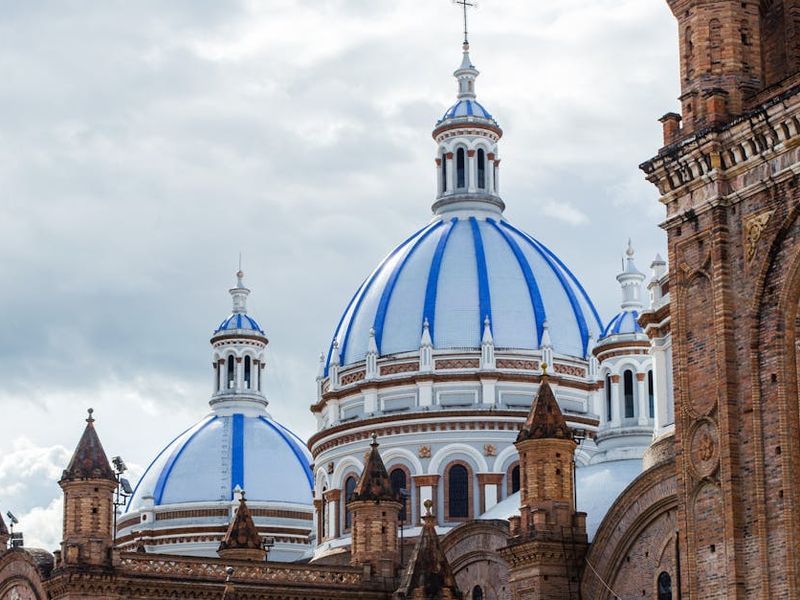
For many travelers, the dry months from June through September are the sweet spot. Skies are clearer, rain is less frequent, and the hiking and day-trip opportunities to places like El Cajas National Park are at their best. Morning mists often burn off into sunny afternoons—perfect for exploring the Centro Histórico, taking photos of the cathedral’s iconic blue domes, and strolling the Tomebamba riverbanks.
Keep in mind this is also a popular travel window for international visitors and locals taking vacations. Expect slightly higher hotel rates and busier streets, especially on weekends and national holidays. If you’re planning to visit popular attractions or want a room with a view, booking in advance is wise.
When to go for greener landscapes: October to May (wet season)
The wet season stretches roughly from October through May, bringing frequent afternoon showers and intermittent cloudy days. While that sounds discouraging, the wet months transform Cuenca’s surroundings into lush, emerald valleys and vibrant gardens—ideal for people who prioritize scenery and fewer tourists.
Travelers willing to tolerate a rain shower now and then can enjoy lower accommodation prices, relaxed attractions, and rich, storm-sculpted vistas in places like El Cajas and the surrounding small towns. Just schedule outdoor activities for mornings when rain is less likely and factor soft soil or muddy trails into your plans.
Month-by-month snapshot
January–February
Early in the year, you’ll see a fair amount of rain—warm, wet afternoons with cooler, fresh mornings. Carnaval celebrations in late February (moving dates) can bring colorful parades and regional festivities; check local schedules if you want to join in. Good for travelers who want lively cultural experiences and don’t mind a few showers.
March–April
These months often have the heaviest rainfall, culminating around Easter and Semana Santa (Holy Week). Semana Santa attracts large numbers of domestic tourists and pilgrims, so expect crowded religious processions and full hotels if you are there then. If you prefer quiet streets and dry trails, avoid peak Holy Week dates.
May
May is transitional: rains begin to taper and greenery is abundant. It’s a great shoulder month—some rain, fewer crowds, and often pleasantly mild temperatures. A smart choice if you want a compromise between dry-weather activities and lower travel costs.
June–August
Clear skies, comfortable daytime temperatures, cooler nights—these are the driest months and the most popular for outdoor excursions and photography. Festivals and cultural events sometimes occur, and the city hums with activity. If hiking El Cajas, this is the most reliable time for clearer trails and views.
September
Often an underrated month: still mostly dry, with warming days and fewer tourists than mid-summer. Great for travelers seeking good weather without peak-season crowds.
October–December
Rains return in October, intensifying through November and December. Many towns celebrate local patron saint days and civic anniversaries during these months; you’ll find colorful processions and markets if you time your visit with local events. Expect shorter, wetter days but warm social atmospheres and often reduced prices.
Festivals and local events to plan around
Timing a trip to coincide with a festival can be magical—but those weeks also bring crowds and limited availability. Major religious and civic events commonly occur during Semana Santa (March/April) and various city patron festivals in the second half of the year. If you want to experience traditional parades, music, and artisan markets, check the municipality’s calendar before booking. If you prefer quieter travel, avoid the busiest national holidays and long weekends.
Practical travel tips by season
Dry season tips (June–September)
- Book accommodations early—popular neighborhoods like El Centro and near Parque Calderón fill up fast.
- Bring sunglasses and sunscreen; sunny days combined with high altitude increase UV exposure.
- Reserve guided hikes or park permits for El Cajas or Ingapirca well in advance if visiting on weekends.
Wet season tips (October–May)
- Pack a lightweight waterproof jacket and quick-dry clothing; rain often falls in short, intense bursts.
- Plan outdoor activities for mornings when showers are less frequent.
- Enjoy lower accommodation rates—consider a cozy guesthouse with a fireplace or hot water for chilly nights.
Packing list for Cuenca, year-round
Because weather can change quickly in the highlands, layering is key. Here’s a compact checklist to prepare for any month:
- Base layers: a few long-sleeve shirts and a couple of T-shirts
- Insulating layer: fleece or light down jacket for evenings
- Waterproof outer layer: reliable rain jacket (and compact umbrella if you like)
- Comfortable, broken-in walking shoes and a pair of waterproof boots or trail shoes for excursions
- Sun protection: broad-brim hat, sunglasses, high-SPF sunscreen
- Reusable water bottle, basic first-aid items, and altitude-care essentials (see next section)
Altitude considerations and health
At roughly 2,500–2,600 meters, Cuenca’s altitude can cause mild symptoms like headaches, shortness of breath, or trouble sleeping for some visitors. These effects are usually manageable. Practical steps include:
- Take the first 24–48 hours easy—avoid strenuous hikes or heavy lifting right away.
- Hydrate—drink water frequently and reduce caffeine and alcohol at first.
- Eat light meals and consider medication if you have a history of altitude sickness—consult your healthcare provider before travel.
Cuenca has good pharmacies and hospitals if you need assistance, but travel insurance and basic precautions are always recommended.
Neighborhoods, viewpoints, and day trips by season
The Centro Histórico (around Parque Calderón) is delightful any time of year—cobblestone streets, artisan shops, and cafes. For viewpoints, Mirador de Turi and the towers or viewpoints near the cathedral provide sweeping vistas. The Tomebamba riverside neighborhoods are particularly photogenic in the dry months when flowers line the riverbanks.
Day trips worth scheduling:
- El Cajas National Park – a stunning high-altitude park of lakes and páramo; best in the dry season for hiking and clear views.
- Ingapirca ruins – the largest Inca archaeological site in Ecuador; accessible year-round though travel conditions improve when it’s drier.
- Artisan towns like Gualaceo and Chordeleg – great for silver jewelry, woven goods, and local markets; these towns bustle on market days regardless of rain.
Transportation and logistics by season
Cuenca’s Mariscal Lamar International Airport connects with Quito and Guayaquil—domestic flights are convenient if you prefer to save travel time. Bus services are frequent and comfortable, with routes linking to the coast and northern highlands. In the dry season, roads are generally in better condition for longer drives; during the wet season allow extra time for travel in case of localized flooding or slower mountain roads.
Within the city, many visitors enjoy walking the historic center. Taxis are abundant and inexpensive compared with North American rates; use reputable companies or apps where available, and always confirm a fare for non-metered rides.
Budget considerations and booking advice
Travel costs fluctuate with seasonality. The dry months (June–September) typically see higher prices and earlier sell-outs for the best hotels and tours. If you’re flexible, shoulder seasons—May and October—offer a good balance: fewer crowds, lower rates, and still decent weather. If you’re visiting for festivals or holiday periods, plan and book several months in advance.
Final decision: which month should you choose?
Here’s a simple rule of thumb to pick the best month for you:
- If you prioritize reliable hiking and sunny skies: choose June–September.
- If you want lower prices, lush scenery, and don’t mind the occasional shower: aim for May or October.
- If you want to experience local culture and festivals: plan around Semana Santa or local patronal festivals—just book early.
Wrap-up: make the season work for your trip
Cuenca is a beautiful destination any time of year. The city’s mild temperatures, colonial heart, and access to highland adventures mean you can enjoy rich experiences whether you visit in dry or wet months. The key is to choose your priorities—clear skies for hiking, festivals for cultural immersion, or lower costs for a budget-friendly stay—and plan the logistics and packing accordingly. With a few savvy choices, you’ll get the most out of Ecuador’s highland jewel no matter when you go.
Safe travels, and enjoy the blue domes, riverside walks, and mountain air of Cuenca.
Adam Elliot Altholtz serves as the Administrator & Patient Coordinator of the “Smilehealth Ecuador Dental Clinic“, along with his fellow Expats’ beloved ‘Dr. No Pain‘, right here in Cuenca, Ecuador, and for purposes of discussing all your Dental needs and questions, is available virtually 24/7 on all 365 days of the year, including holidays. Adam proudly responds to ALL Expat patients from at least 7:00am to 9:00pm Ecuador time, again every single day of the year (and once more even on holidays), when you write to him by email at info@smilehealthecuador.com and also by inquiry submitted on the Dental Clinic’s fully detailed website of www.smilehealthecuador.com for you to visit any time, by day or night. Plus, you can reach Adam directly by WhatsApp at +593 98 392 9606 -or by his US phone number of 1‐(941)‐227‐0114, and the Dental Clinic’s Ecuador phone number for local Expats residing in Cuenca is 07‐410‐8745. ALWAYS, you will receive your full Dental Service in English (NEVER in Spanish), per you as an Expat either living in or desiring to visit Cuenca by your Dental Vacation, plus also to enjoy all of Ecuador’s wonders that are just waiting for you to come arouse and delight your senses.