
Table of Contents
Why timing matters in Cuenca
Cuenca, Ecuador’s elegant Andean city, sits at about 2,560 meters (roughly 8,400 feet). Its highland location means the weather is surprisingly steady compared with lowland tropical destinations — but seasons still affect what you can do, how much rain you’ll see, and how crowded key attractions get. Choosing when to visit can make the difference between sunny hikes in Cajas National Park and soggy walking tours through the historic center.
Quick overview of Cuenca’s climate
Unlike places with four distinct seasons, Cuenca has a rhythm driven by the Andean wet-dry cycle. Two broad periods dominate:
- Dry season (June–September): Fewer rain showers, clearer skies, and lower humidity — ideal for outdoor activities and photography.
- Wet season (October–May): Regular afternoon or evening rains, greener landscapes, and some festival dates fall in this window.
Temperatures are moderate year-round: daily highs usually fall between 16–21°C (60–70°F) and nights can dip into the single digits Celsius. Expect rapid weather changes — sunshine, clouds, wind and a drizzle can all come within a few hours.
When to visit: best months for outdoor activities
If your priority is hiking, birdwatching and exploring surrounding natural areas, aim for the dry months of June through September. These months bring clearer trails and more stable weather for day trips to:
- El Cajas National Park: Known for its moorlands, glacier lakes and high Andean birdlife — visibility and trail conditions are best in the dry season.
- Ingapirca: Ecuador’s largest known Inca ruins located about 1.5–2 hours from Cuenca — drier days mean easier travel and better site walks.
- Chordeleg and Gualaceo: Craft towns famous for silverwork and textiles — less rain means easier wandering between shops and markets.
If you plan long drives along rural roads or want crisp mountain photos, June–September is the sweet spot.
When to visit: best months for festivals and culture
Cuenca’s cultural calendar is active year-round, and if you want to align your trip with local celebrations, the wet season still has plenty to offer. Two cultural rhythms to consider:
- Religious and civic events: Semana Santa (Holy Week) in March/April brings processions and local traditions that offer a deep look at Ecuadorian Catholic culture.
- Late-year events: November and early December often feature civic celebrations, markets and holiday craft fairs — a good time for shopping local handicrafts like Panama-style hats, silver filigree and woven goods.
While these times may have more rain, they also offer richer cultural experiences and often unique street life that you won’t see in the dry months.
Shoulder months: find a balance in May and October
If you want a compromise between dry-weather outdoor access and fewer tourists (and better prices), consider May or October. In these shoulder months you often get:
- Mixes of sunshine and short rains
- Lower hotel rates than peak season
- Less crowded attractions than June–August
These months are especially good for travelers who dislike extremes — you’ll still see the lush Andean landscape, but with fewer groups on the most popular trails.
How weather affects daily life and travel logistics
Understanding the effects of Cuenca’s seasons can help you pack smarter and plan realistically:
- Roads and visibility: Rainy months can make mountain roads wet and foggy. If you’re renting a car, expect slower travel times and occasional unpaved stretches near rural sights.
- Outdoor markets: Open-air markets like those selling food, flowers and crafts are livelier and easier to navigate in the dry season.
- Photography: Golden-hour photos are more reliable during dry months; wet season photos can be dramatic with cloudscapes but require flexibility.
- Wildlife: Wet season brings lush vegetation and active birdlife; many migratory species pass through in spring and fall.
Sample itineraries by season
5-day dry-season itinerary (June–September)
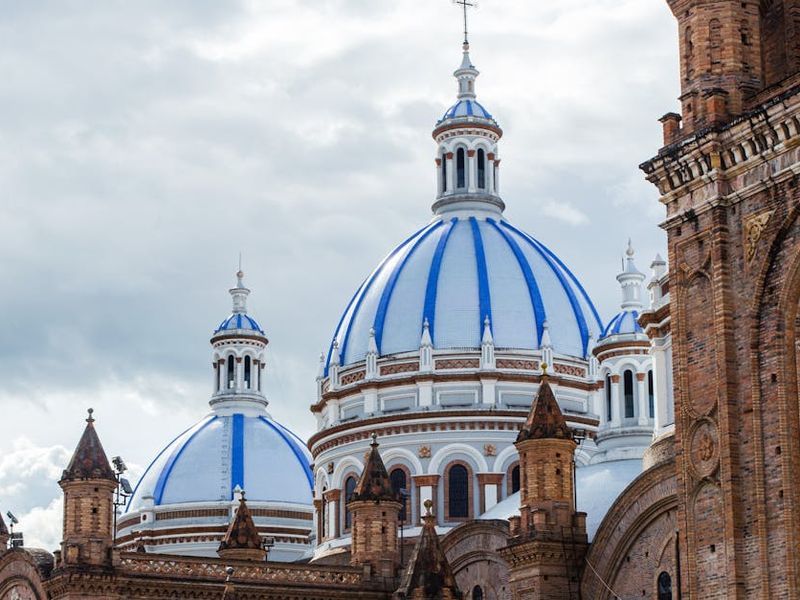
- Day 1: Arrive, stroll the historic center, visit Catedral Nueva and Parque Calderón.
- Day 2: Half-day museum crawl (Pumapungo Museum, Museum of Modern Art) and afternoon riverside walk along the Tomebamba.
- Day 3: Full-day trip to El Cajas National Park for lakes and short hikes.
- Day 4: Day trip to Ingapirca and the surrounding Cañar highlands.
- Day 5: Visit artisan towns Chordeleg and Gualaceo; return for an evening at a local restaurant.
5-day wet-season itinerary (October–May)
- Day 1: Explore the historic core and pick up artisan souvenirs at covered markets.
- Day 2: Museum day and a short walking tour of colonial churches and plazas (plan for an umbrella).
- Day 3: Early-morning birding or short drive to nearby viewpoints; expect afternoon showers.
- Day 4: Cultural day — join a local cooking class or workshop in ceramics or weaving.
- Day 5: Relaxed day trip to nearby small towns with covered markets; end your trip with a cuy or hearty Andean stew.
Packing list for Cuenca (season-specific)
Layering is everything at high altitude. Useful items year-round include:
- Light fleece or warm sweater for evenings
- Waterproof jacket (compact and breathable)
- Comfortable walking shoes with good grip
- Sunscreen and sunglasses — UV is strong at elevation
- Reusable water bottle and small first-aid kit
In the dry season add a wide-brim hat and binoculars for birdwatching. In the wet season, pack quick-dry clothing and a sturdy umbrella or poncho.
Practical travel tips — logistics, safety and money
Here are concrete details to make your trip smoother:
- Getting there: Cuenca’s Mariscal La Mar Airport (CUE) has domestic flights from Quito and Guayaquil — an easy option if you’re short on time. Long-distance buses are frequent, comfortable and affordable if you prefer land travel.
- Money: Ecuador uses the US dollar. ATMs are common in Cuenca but carry some cash for markets and small vendors.
- Health and altitude: Most visitors adapt quickly, but take it easy the first day, stay hydrated and avoid heavy exertion until you acclimatize.
- Language: Spanish is the primary language. Basic Spanish phrases go a long way; many people in tourism-related jobs speak some English.
- Safety: Cuenca is regarded as one of Ecuador’s safer cities. As with any city, watch your belongings in crowded areas and use licensed taxis or ride apps at night.
Where to stay: neighborhoods and accommodation choices
Your neighborhood choice should reflect what you want to do:
- Historic center (Centro Histórico): Perfect for first-time visitors who want to be walking distance from churches, museums and restaurants.
- Turi and Mirador areas: Slightly uphill with panoramic views — great for photographers and those wanting a quieter stay.
- El Vergel and Parque Industrial areas: More residential and modern, favored by longer-term stays and expats who want supermarkets and parks nearby.
Cuenca offers guesthouses, boutique hotels in colonial buildings, and modern apartments — book early for dry-season travel and during festival weeks.
Money- and time-saving travel hacks
Small strategies can make your trip both cheaper and more enjoyable:
- Visit popular sights early in the morning to avoid tour groups and afternoon clouds.
- Take public buses or shared taxis for nearby day trips to save on private transport costs.
- Shop artisan markets in the late afternoon when vendors might be willing to bargain slightly.
- Bring a small daypack with a rain cover so sudden showers won’t derail your plans.
Final thoughts: choosing your perfect time
There’s no single “perfect” month to visit Cuenca — it depends on what you want from the trip. Choose June–September for the best chance of dry weather and hiking-ready trails. Pick October or May for a quieter experience with moderate weather. Visit during the wet season if you prize local festivals, verdant landscapes and lower prices, and don’t mind occasional rain.
Most importantly, plan a flexible schedule and pack for layers. Cuenca rewards slow, curious travel: lingering over coffee in a plaza, exploring covered markets, and making time for a day outside the city will leave you with the most memorable impressions of Ecuador’s highland jewel.
Quick checklist before you go
- Check flight and bus schedules (domestic air travel fills up in the dry season)
- Reserve accommodations in advance for June–September and festival periods
- Pack a lightweight rain jacket, sunscreen and sturdy walking shoes
- Plan at least one full-day trip outside Cuenca (El Cajas or Ingapirca)
- Carry local currency and brush up on basic Spanish phrases
With the right timing and a flexible itinerary, you’ll discover why Cuenca is a favorite for travelers who appreciate culture, history and the dramatic beauty of the Andes. Whether you go for clear mountain days or lively cultural seasons, Cuenca rewards thoughtful exploration.