
Table of Contents
Why the Southern Highlands?
The southern highlands of Ecuador combine colonial charm, cloud-forest biodiversity, and valleys prized by wellness seekers. This corridor — anchored by Cuenca, Loja and the nearby village of Vilcabamba — offers varied terrain, friendly towns, and relatively mild weather year-round. Whether you’re a short-term traveler, long-stay expat, or day-hike fanatic, the region delivers museums, markets, national parks and small towns with character.
Quick facts and essentials
Before you go, here are practical details to ground your planning.
- Currency: US dollar.
- Language: Spanish is dominant; a few local indigenous communities speak Kichwa — bring a phrasebook or basics in Spanish.
- Altitude: Cuenca ~2,560 m (8,400 ft), Loja ~2,060 m (6,760 ft), Vilcabamba ~1,500 m (4,920 ft). Expect milder temperatures as you descend from Cuenca to Vilcabamba.
- Climate: Cool, temperate in Cuenca; warmer and drier in Loja; spring-like conditions in Vilcabamba. Rainy season generally from October to May, though microclimates vary.
- Visa: Many nationalities receive a 90-day tourist stay; check your embassy for up-to-date rules.
Getting there and getting around
Transport between these towns is straightforward but varies by comfort and speed.
Flights
Cuenca has an international airport (ten-minute drives into town), making it the easiest entry point for many travelers. Loja’s small airport (Catamayo) receives occasional domestic flights but check schedules — land travel is more reliable.
Buses and shuttles
Intercity buses are the backbone of travel: Cuenca to Loja typically takes 3.5–5 hours depending on stops and road conditions. Loja to Vilcabamba is a short 45–75 minute ride. Direct buses between Cuenca and Vilcabamba are less common; most travelers transfer in Loja. Bus terminals have several carriers — choose the company by reputation, and for night travel consider reputable shuttles.
Renting a car
Renting a car gives you flexibility for national parks and smaller villages. Roads in the highlands are paved but can be winding; drive cautiously in rain or fog. Parking in city centers is limited — look for secure paid lots.
Cuenca: Colonial streets, art and mountain access
Cuenca is often the hub for the southern highlands: a UNESCO-listed colonial center with riverside promenades, museums, and services that cater well to foreigners.
Must-see highlights
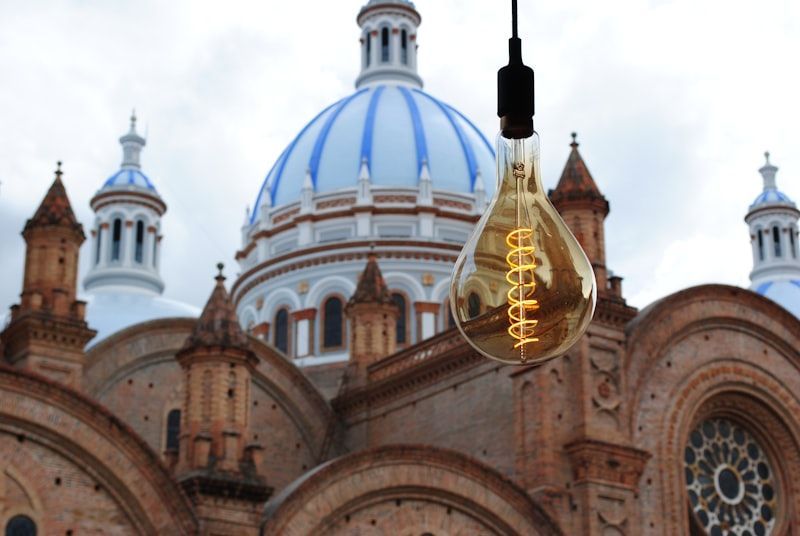
- Parque Calderón (central plaza) and the impressive New Cathedral — great places to orient yourself and people-watch.
- Museo Pumapungo and the archaeological site area for pre-Columbian history and ethnographic exhibits.
- Tomebamba riverside walks and old bridges for relaxed afternoon strolls.
- Mirador Turi: panoramic city views, best at sunset.
- El Cajas National Park: a 40–60 minute drive, high-altitude lakes, hiking and birding; bring layers and waterproof gear.
Food, markets and shopping
Cuenca’s food scene spans traditional highland stands to international cafés. Try local staples: llapingachos (potato patties), hornado (roast pork), mote (hominy) and, if adventurous, cuy (guinea pig) in restaurants that serve it. The Mercado Central is perfect for cheap, hearty meals and fresh produce. For artisan shopping, take day trips to neighboring Gualaceo and Chordeleg for textiles and silverwork.
Neighborhoods to consider
Staying near the city center (Parque Calderón) keeps you within walking distance of museums and restaurants. If you prefer quieter streets, find lodging along the Tomebamba river or in residential barrios a short taxi ride from downtown.
Healthcare and practical services
Cuenca has the best healthcare in the region with private clinics and pharmacies staffed by English-friendly professionals. If you require ongoing medical care, Cuenca is a wise base. Pharmacies sell many over-the-counter remedies, and clinics handle urgent needs.
Loja: Music, coffee and cloud-forest access
Loja is a cultural center with a strong musical tradition and easy access to biodiverse cloud forests. It’s smaller and more low-key than Cuenca, with friendly plazas and an authentic provincial feel.
What to do in Loja
- Stroll the central plaza and experience local cafes where musicians often gather.
- Visit Podocarpus National Park for cloud-forest birding, waterfalls and forest hikes. The park is a hotspot for endemic species.
- Explore nearby small towns and coffee farms — Loja’s region produces excellent highland coffee you can sample at farm-to-table spots.
Why musicians love Loja
Loja has a proud conservatory tradition, and live music — from classical to folk — is a part of daily life. Look for small concerts, cultural centers, and impromptu performances in plazas around town.
Where to stay and eat
Options range from simple guesthouses near the plaza to mid-range hotels. Dining tends toward traditional Ecuadorian plates and good local coffee. Loja is quieter at night than Cuenca, so expect calm evenings and an authentic provincial pace.
Vilcabamba: Slow life and wellness in the valley
Often dubbed the “Valley of Longevity,” Vilcabamba draws travelers seeking sunshine, outdoor exercise and a laid-back lifestyle. The town’s lower elevation brings warmer days and a flourishing microclimate ideal for organic farms and outdoor living.
Relaxation and activities
- Easy day hikes to nearby viewpoints and waterfalls. Trails range from gentle walks to half-day outings.
- Wellness offerings: yoga classes, massage therapists, and small retreats are common — not all formal, often organized through guesthouses and local centers.
- Fresh food markets and farm-to-table cafes: Vilcabamba is known for fruit, juices and health-focused cuisine.
For long-stay travelers
Many expats live in or seasonally visit Vilcabamba for longer periods. Rentals tend to be simpler than in Cuenca, and long-term living costs can be lower. Internet varies — check connectivity if you plan to work remotely.
Practical travel tips and local customs
Health and altitude
Cuenca’s altitude can affect first-time visitors. To adjust, take it easy during the first 24–48 hours: hydratе, avoid heavy exertion, and consider coca tea for symptomatic relief (widely available locally). For persistent altitude symptoms, seek medical attention.
Safety
The region is relatively safe, but petty theft occurs in tourist areas. Practical precautions: keep valuables out of sight, use hotel safes, carry copies of documents rather than originals, and prefer registered taxis at night. Walking around central plazas during daylight is generally pleasant.
Money and tipping
Most places accept cash (USD) and cards in larger establishments. ATMs are common in Cuenca and Loja but less so in smaller towns; bring cash when traveling to rural areas. Tipping is modest — around 10% in restaurants if service isn’t included.
Connectivity & SIMs
Major providers like Claro and Movistar have coverage; buy prepaid SIMs at airports or shops in town. Wi-Fi is widely available in hotels and cafés but can be flaky in remote spots or rural lodges.
Language tips
Spanish will take you far. Learn basics like: “¿Cuánto cuesta?” (How much?), “¿Dónde está el baño?” (Where is the bathroom?), and “Gracias por su ayuda” (Thanks for your help). Locals appreciate even limited Spanish attempts.
Food, festivals and cultural rhythms
From Cuenca’s bustling markets to Loja’s music nights and Vilcabamba’s health food cafes, the region serves up a diverse culinary and cultural palette. Try local specialties at market stalls for the best prices, and ask shopkeepers about upcoming religious and civic festivals — Ecuadorian towns celebrate with parades, music and local cuisine.
Suggested 10-day itinerary
Not sure how to split your time? Here’s a balanced plan that covers the highlights and leaves room for slow travel.
- Days 1–3: Cuenca — museums, city center, Panama-hat shops, riverside walks, Mirador Turi.
- Day 4: Day trip to Ingapirca ruins and Cañar highlands (archaeology + scenic valleys).
- Day 5: El Cajas National Park — hike and lakes; return to Cuenca.
- Days 6–7: Travel to Loja — explore town, enjoy coffee tastings and local music.
- Days 8–10: Vilcabamba — relax, easy hikes, wellness sessions, sample local organic fare.
Budget expectations and accommodation tips
Costs vary by style. Market meals often run $2–5; mid-range restaurants $6–20. Nightly rates: hostels $8–20, mid-range hotels $30–80. Long-term rentals in Cuenca may start around $300–600/month for a one-bedroom apartment; Vilcabamba and Loja can be cheaper. These are rough ranges — seasonality and exact location matter.
Final advice for a richer visit
Allow time to slow down. The southern highlands reward curious travelers who wander beyond downtown plazas into side streets, local markets and nearby valleys. Bring varied clothing layers for daily temperature swings, keep a spare pair of shoes for muddy trails, and consider a local guide for birding or specialized hikes in Podocarpus or El Cajas. Above all, savor the blend of colonial architecture, cloud forest biodiversity and valley sunshine — a unique trio that makes Ecuador’s southern highlands one of the country’s most rewarding regions to explore.
Safe travels and enjoy the rhythm of the highlands — from Cuenca’s cobblestones to Loja’s melodies and Vilcabamba’s slow mornings.