
Table of Contents
Why Cuenca is a smart choice for a dental-focused getaway
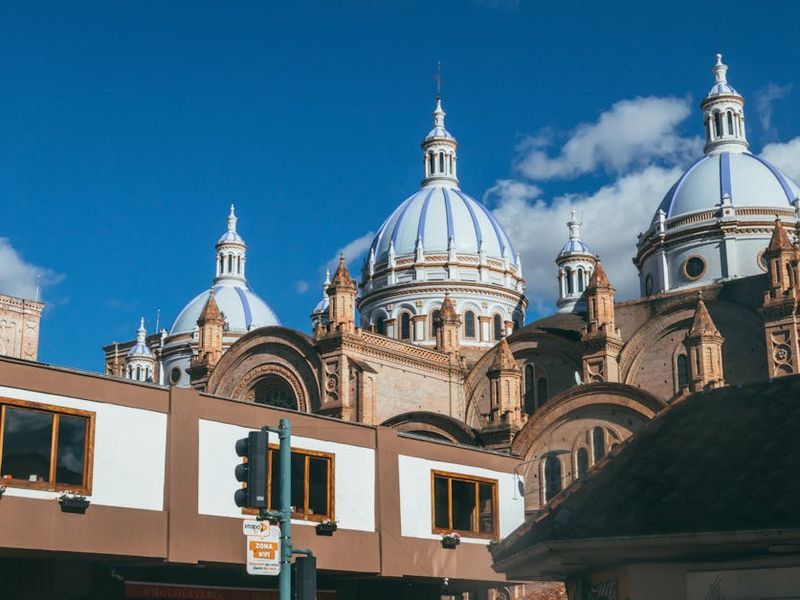
Cuenca, Ecuador is more than a colonial jewel — it’s one of Latin America’s top destinations for dental tourism. Combining reputable clinics, experienced bilingual dentists, modern labs and lower procedure costs, Cuenca allows travelers to pair essential dental work with gentle sightseeing and plenty of R&R. With its pleasant year‑round climate, walkable historic center, and a lively expat community, Cuenca offers the comforts and services you need for both treatment and recovery.
What kinds of dental work do people come for?
Visitors typically schedule treatments that require laboratory work or multiple visits, including dental implants, porcelain crowns (zirconia or E‑max), veneers, bridges, root canals, extractions and full smile makeovers. Many clinics also offer preventive care like deep cleanings and whitening. Because lab work can often be completed in a day or two at local dental labs, you can receive high‑quality restorations without extended stays.
Understanding costs and quality
Expect significant savings compared to the U.S. and Canada. Ballpark figures (in USD) commonly seen in Cuenca:
- Single dental implant (including abutment and crown): $800–$1,600
- Porcelain crown (zirconia/E‑max): $150–$450
- Root canal: $70–$250
- Professional cleaning: $20–$60
Lower prices don’t mean inferior care. Many dentists in Cuenca were trained abroad, use international implant systems and modern sterilization techniques. Still, you should vet clinics carefully — ask about accreditation, tour photos of their sterilization areas, and request before/after photos from previous patients.
How to choose a clinic: checklist
- Read recent patient reviews on independent platforms and expat forums.
- Confirm the dentist’s qualifications and years of experience.
- Ask about implant brands and crown materials (look for well‑known brands and high‑quality zirconia or lithium disilicate).
- Request a detailed written treatment plan with timelines and costs.
- Check if the clinic communicates via WhatsApp, email or video consults for planning before you travel.
- Inquire about sterilization protocols and whether they use digital imaging (CBCT, panoramic x‑rays).
- Get clarification about warranties, follow‑up visits, and handling complications.
Timing your trip: how long to stay
Length of stay depends on the procedure. A single crown or cleaning can be done in 2–4 days, while implants or multi‑unit restorations usually require 7–14 days to allow for lab work and fittings. Many patients plan a two‑week stay: the first week for surgery and initial recovery, and the second for prosthetic delivery and adjustments. If your treatment includes implant placement that requires healing time (osseointegration), you may do the surgical phase in Cuenca and return months later for the crown, or choose an all‑on‑X approach that can be completed in one trip.
Practical travel logistics for Cuenca visitors
Cuenca’s airport (CUE) receives flights from Quito and other domestic hubs and also handles some regional international traffic. Most international travelers fly into Quito or Guayaquil and take a connecting flight or a comfortable bus ride to Cuenca. The city’s altitude is around 2,500–2,600 meters (about 8,200 feet), so allow a day or two to adjust if you’re coming from sea level.
Currency: Ecuador uses the U.S. dollar. Credit cards are widely accepted, but small clinics or local markets may prefer cash. Mobile phone service (Claro, Movistar) is available — buying a local SIM at the airport or city center keeps communication easy.
Where to stay: neighborhoods that support recovery
Pick lodging that minimizes stress and walking immediately after dental work. Popular options include:
- Historic Center near Parque Calderón: Beautiful colonial architecture, many restaurants and short taxi rides to clinics.
- Near the Tomebamba River: Quiet riverside promenades for gentle walks and stunning views.
- Elevated neighborhoods like Turi: Good views and quieter streets, though expect steeper climbs.
Look for accommodations with easy elevator access (if you wish to avoid stairs), simple kitchen facilities for preparing soft meals, and friendly staff who can help arrange transfers or pharmacy pickups.
Recovery-friendly activities in and around Cuenca
After dental treatment you’ll want low-impact, calming activities. Cuenca is ideal for restorative days:
- Stroll along the Tomebamba River — flat, scenic paths perfect for short walks.
- Visit the Plaza Calderón early morning to enjoy coffee and watch the city wake up without crowds.
- Explore Museo Pumapungo’s gardens for a quiet cultural fix.
- Shop in artisan markets for Panama hats, ceramics and jewelry — a relaxed way to spend an afternoon.
- Take a short drive to nearby thermal springs or Vilcabamba (for multi‑day relaxation) if your dentist clears you for it.
What to pack for a dental vacation
- Copies of dental records, X‑rays and a list of medications.
- Comfort items: neck pillow, extra pillows, sunglasses (for light sensitivity after some procedures).
- Soft food staples: instant soups, applesauce, protein powders — although you can buy food locally, having favorites on hand helps.
- Over‑the‑counter pain relievers (ibuprofen, acetaminophen) if permitted by your dentist, plus any prescription meds your clinic recommends.
- Small cooler or reusable ice packs for swelling control.
Language, cultural tips, and communicating with your dentist
Many dentists in Cuenca speak English, but basic Spanish phrases are useful. Common helpful phrases include: “Tengo una cita con el doctor/a” (I have an appointment with the doctor) and “¿Dónde está la farmacia más cercana?” (Where is the nearest pharmacy?). Communication via WhatsApp is widely used — clinics often send appointment reminders, pre‑op instructions and photos through messaging apps.
Respect local customs: greet with a polite “buenos días” or “buenas tardes” and treat staff courteously. Tipping in restaurants of 5–10% is customary but not obligatory. Pharmacies and clinics are well‑stocked; staff can fill prescriptions promptly if needed.
Safety, health insurance and post‑op care
Cuenca is generally safe and friendly, but use normal travel precautions: keep valuables secure, avoid unlit areas at night, and use licensed taxis or ride‑share apps. Many clinics offer post‑operative instructions and follow‑up care. Ask about a 24/7 emergency contact number and what to do if complications arise after you return home.
Travel insurance that covers medical evacuation is wise, but note that routine dental procedures are often not covered. If you have existing health conditions, consult your physician before travel.
Sample 7‑day dental retreat itinerary
Here’s a flexible week plan for a tooth implant + crown or multi‑visit prosthetic treatment:
- Day 1: Arrive in Cuenca, settle into accommodation, light walking near the river, early bedtime to acclimate to altitude.
- Day 2: Initial consultation, x‑rays and treatment planning. Confirm schedule, sign consent forms. Gentle afternoon at a cafe.
- Day 3: Surgery day (implant placement or extraction). Arrange a taxi to and from clinic; keep activity minimal afterward.
- Day 4: Rest, short river walk, light meals. Pharmacy visit if medications were prescribed.
- Day 5: Follow‑up visit for suture check and progress photos; lab work starts on prosthetic pieces if applicable. Quiet museum or artisan market visit in the afternoon.
- Day 6: Prosthetic fitting or temporary crown placement. Final adjustments and instructions for home care. Celebrate with a gentle dinner near Parque Calderón.
- Day 7: Departure or extend your stay for more sightseeing and to ensure comfort before travel home.
Red flags and questions to ask before you pay
Before committing, be wary of clinics that pressure you for large upfront payments without a written treatment plan, or those unwilling to provide references and photos of past work. Ask specifically:
- Which implant and crown brands will be used?
- How many times have you performed this procedure?
- Can I see before/after images and patient testimonials?
- What is your protocol for complications and emergency care?
- What are the total costs including lab fees, medications and follow‑ups?
Connecting with the expat and dental tourism community
Cuenca has a large expat scene and active online groups where members share recent clinic experiences and practical local tips. These forums can be invaluable for up‑to‑date recommendations, translator referrals and real patient stories. Consider joining a local expat Facebook group or reading recent blog posts to compare recent feedback.
Final thoughts: balancing care and calm
A dental vacation in Cuenca can be both cost‑effective and restorative when planned carefully. By researching clinics, scheduling recovery‑friendly activities and choosing comfortable lodging, you can treat your smile and recharge in one of Ecuador’s most charming cities. Remember: quality of care matters more than savings, so prioritize clear communication, documented treatment plans and realistic recovery timelines. With smart planning, you’ll leave Cuenca with improved dental health—and memories of peaceful river walks, colonial streets and some well‑deserved relaxation.
Ready to start planning? Gather your dental records, research a few clinics, and allow a little extra time to soak up Cuenca’s mellow pace — it’s the perfect backdrop for healing and unwinding.