
Table of Contents
Why Ingapirca belongs on your Cuenca itinerary
Just a short journey north of Cuenca lies Ingapirca, Ecuador’s most important pre‑Hispanic site and a powerful window into Cañari and Inca cultures. Famed for the elliptical Temple of the Sun, striking stonework, and a small but informative museum, Ingapirca rewards travelers who want more than a postcard — it offers context, landscape, and living traditions that connect modern highland communities to their ancestors.
Quick facts at a glance
- Distance from Cuenca: roughly 70–80 km (about 1.5–2.5 hours by car or bus, depending on stops and road conditions).
- Elevation: around 3,100–3,200 meters (plan for thinner air and cool temperatures).
- Main attraction: the Temple of the Sun (an elliptical, terraced stone building of Inca design).
- Best time to visit: dry season (May–November) for clearer skies and easier walking.
- Facilities: small museum, visitor center, public restrooms, and a handful of local restaurants in the settlement near the ruins.
How to get there from Cuenca: options and tips
There are three practical ways to reach Ingapirca from Cuenca: public bus, organized tour or private car. Which you choose depends on your budget, comfort level and desire for flexibility.
Public bus
Buses leave from Cuenca’s Terminal Terrestre heading north toward the town of Cañar or directly to Ingapirca. These interprovincial buses are economical (expect a low single‑digit USD fare) and run several times a day, though schedules can change. Tell the ticket clerk you want to get off at “Ingapirca” and bring small bills for the fare and any local purchases. Note: buses may stop in Cañar and other towns en route, which adds time.
Organized day tour
Many travel agencies and hostels in Cuenca sell full‑day tours that include round‑trip transportation, entrance fees, and a local guide. Tours generally cost between $25 and $45 per person, depending on the inclusions and group size. The advantage is convenience — you’ll have a guide on site and usually a set departure time, ideal if you prefer a hands‑off approach.
Private car or rental
If you rent a car or hire a private driver you’ll have the most flexibility: stop at scenic overlooks, markets, or tiny villages. The roads are mostly paved on the main route but can narrow. Driving time is typically 1.5–2 hours. Note that some mapping apps may suggest alternate rural roads; stick to the Panamericana (E35) and well‑signed exits toward Ingapirca.
What you’ll see at Ingapirca: highlights and layout
Ingapirca is small in footprint but big in historical resonance. Spend at least 90–120 minutes to appreciate the main elements.
The Temple of the Sun (Templo del Sol)
The elliptical temple built with precisely fitted andesite blocks is the archaeological star. The Inca used its shape and orientation for astronomical observations — during solstices and equinoxes sunlight and shadow produce striking effects inside the structure. The curved walls and stairways provide excellent viewpoints for photos and for imagining how ceremonies may have unfolded.
Cañari foundations and terraces
Before the Inca arrived the Cañari people occupied the area. You’ll notice pre‑Inca foundations, storage rooms and agricultural terraces that reveal how both cultures adapted to the highland environment. The layering of masonry styles — rougher Cañari stonework and the polished Inca blocks — is a visual textbook on conquest, cooperation and continuity.
Archaeological museum and visitor center
The on‑site museum displays pottery, tools and explanatory panels in Spanish (and some English). It’s small but valuable for context: maps, timelines and artifacts give a clear sense of daily life in the area before and after the Inca presence.
Best time of day and year to visit
For lighting and comfort, arrive early in the morning. The soft dawn light enhances the textures of the stone and keeps the most intense UV and crowds at bay. Late afternoon is also beautiful, with warmer tones for photography and a more peaceful atmosphere as day tours depart.
Seasonally, the dry season (May–November) offers the most reliable weather for walking and panoramic views. The rainy season (December–April) brings afternoon showers and muddy paths; if you visit then, pack a waterproof jacket and plan a shorter stay.
Suggested itineraries from Cuenca
Classic day trip (recommended)
- 6:45–7:30 am: Depart Cuenca (booked tour or private car) to maximize daylight and photo opportunities.
- 9:00–10:00 am: Arrive at the Ingapirca complex; start with the museum to set historical context.
- 10:00–12:30 pm: Explore terraces, Temple of the Sun and viewpoints with a guide or audio guide.
- 12:30–1:30 pm: Lunch at a local comedor near the site — try a bowl of caldo de gallina or a plate of hornado and potatoes.
- 1:30–2:30 pm: Optional short hike for village views or visit nearby craft stalls.
- 3:00–5:00 pm: Return to Cuenca.
Slow travel: overnight in a nearby town
If you want to absorb regional life, spend a night in the small town near Ingapirca. This gives you a chance to experience local food, meet artisans at the market and possibly join evening conversations with local elders about traditions and festivals.
Food and markets: where to eat near Ingapirca
Dining options are modest and refreshingly authentic. The cluster of comedores and small restaurants that serve workers and visitors feature hearty Andean fare: soups (locro), roasted pork (hornado), potatoes, avocados and rice. If you’re vegetarian, ask for egg and cheese dishes or vegetable soups, though flexibility is more limited than in Cuenca.
Look for small stalls selling fresh fruit, bread and handmade empanadas. Buying a souvenir textile or woven pouch from local vendors directly supports families tied to the site.
Practical tips: what to pack and how to prepare
- Clothing layers: temperatures can shift quickly at 3,200 m — sun and cool breeze together. Pack a warm jacket and a sun layer.
- Sun protection: high altitude increases UV exposure. Bring sunscreen, sunglasses and a hat.
- Comfortable shoes: the site has uneven stone steps and dirt paths — closed‑toe hiking shoes are best.
- Water and snacks: there are limited options on site; bring water and energy snacks for the walk.
- Cash in small bills: pay for entrance fees, small crafts and food. Credit cards are not widely accepted at the ruins or in tiny eateries.
- ID or passport copy: some ticket booths ask to see ID, and it’s wise to carry a copy of your passport when traveling between provinces.
- Altitude precautions: if you’re prone to altitude sickness, allow extra time in Cuenca to acclimatize, stay hydrated and avoid heavy exertion on arrival.
Guides, interpretation and respectful visiting
Hiring a local guide adds depth — you’ll learn about construction techniques, agricultural systems and ceremonies. Guides are often fluent in Spanish, and some speak English. If your guide mentions a sacred spot, take note: many sites remain spiritually meaningful to local communities.
Respect rules: don’t climb on fragile walls, don’t remove artifacts (including small stones), and avoid loud behavior. Ask permission before photographing people. These practices help preserve Ingapirca for future generations and support positive relations with nearby residents.
Accessibility and physical demands
Because of its hillside location and uneven stone staircases, Ingapirca is not fully wheelchair accessible. Visitors with limited mobility can still enjoy parts of the site, museum and surrounding grounds, but some viewpoints will be difficult to reach. If mobility is a concern, arrange for a private visit so you can move at a comfortable pace and minimize walking distances.
Photography and drone rules
Photographers will find dramatic textures and wide Andean panoramas. Early morning and late afternoon deliver the richest light. If you plan to photograph rituals or people, always ask first and offer a small tip when appropriate.
Drones: many protected archaeological zones restrict drone flights. Check current regulations with the visitor center or your tour operator; unauthorized flying can result in confiscation or fines.
Nearby attractions to combine with Ingapirca
If you have extra time, consider small detours to enrich the day:
- Town markets: stop in the nearby provincial towns for colorful markets and traditional textiles.
- Highland farms and viewpoints: the route between Cuenca and Ingapirca is scenic, with opportunities for short photo stops.
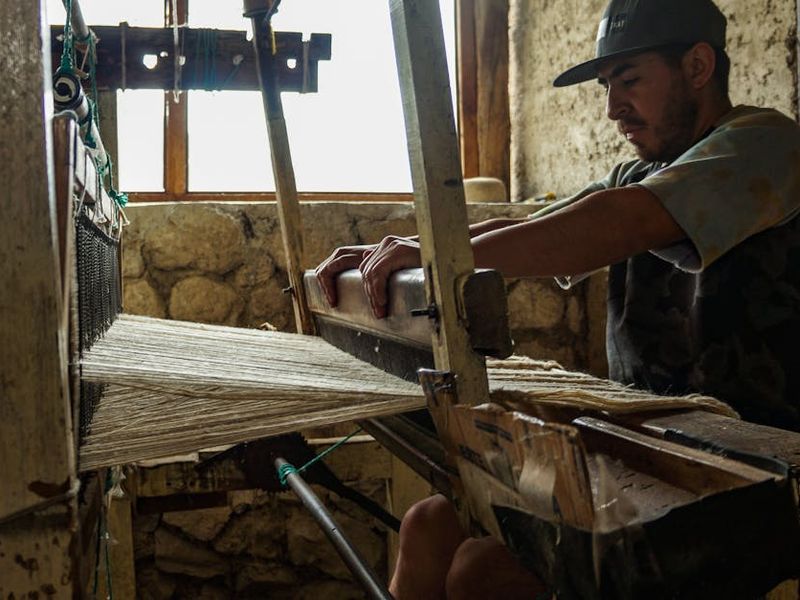
- Cultural encounters: inquire about visits to local weaving cooperatives or family homesteads to learn about traditional crafts and household food production.
Costs and entrance fees (what to expect)
Entrance fees are modest and help maintain the site and museum. Fees change from time to time, and special group or student discounts may apply. If you take a guided tour from Cuenca the fee is often included; if arriving independently, bring a few dollars in cash. Purchasing a handcrafted souvenir or a snack from local vendors is another practical way to give back to the community.
When to avoid the crowds
Weekends and holidays attract Ecuadorian families and domestic tourists. For quieter exploration, visit on a weekday and aim for the first opening hour. June solstice (Inti Raymi) can be a fascinating cultural moment at the site, but expect large crowds and plan accordingly if you prefer solitude.
Final thoughts: why Ingapirca is worth the trip from Cuenca
Ingapirca is more than an archaeological stop — it’s a meeting place of histories, landscapes and living cultures. From Cuenca it makes a perfectly manageable day trip that rewards curiosity with layered stories: how the Cañari people lived and resisted, how the Inca integrated and modified sacred architecture, and how communities today maintain connection to those ancestors. Whether you visit for the light, the stones, the views or the food, a thoughtful trip to Ingapirca adds context and texture to any stay in Cuenca.
Plan ahead, bring layers and cash, hire a guide if you want deeper interpretation, and leave with an appreciation for the craftsmanship and cosmology etched into those weathered stones. Safe travels and enjoy the climb into one of Ecuador’s most memorable archaeological landscapes.