
Table of Contents
Why timing matters in Cuenca
Cuenca’s reputation as an “eternal spring” city is well earned: with mild daytime temperatures, crisp nights and dramatic mountain light, it’s a year-round destination. But experience changes a lot depending on the month you travel. Choosing the right time of year affects everything from hiking conditions in El Cajas to local festivals, hotel prices and even how charming the riverside promenades feel. This guide breaks down seasons, months, and practical tips so you can pick the perfect window to visit Ecuador’s southern highlands.
Quick facts about Cuenca’s climate and location
Cuenca sits at roughly 2,560 meters (about 8,400 feet) above sea level. That elevation creates the temperate climate most visitors love: cool nights, sun-drenched days, and frequent afternoon clouds or showers outside of the core dry months. Typical daytime highs hover between 15–22°C (60–72°F), while nights can drop to 5–12°C (41–54°F). UV radiation is strong year-round, so sun protection is essential even when it feels cool.
General season breakdown
While microclimates mean weather can surprise you, the highland pattern is typically:
- Dry season: June through September — the most reliable stretch for clear skies and hiking.
- Shoulder months: May and October — mixed weather with fewer crowds and lower prices.
- Wet season: November through April — more frequent rains, especially heavy showers in some months.
Keep in mind local variations and the growing effects of global climate shifts. Days of the dry season can still see scattered showers, and some wet-season days will be sunny and beautiful.
Best time for outdoor activities and hiking
If your main goal is hiking, birdwatching or landscape photography in places like El Cajas National Park, aim for the dry months (June–September). Trails are less muddy, visibility is clearer, and sunrise/sunset colors are more reliable. El Cajas — a páramo landscape full of glacial lakes — rewards early departures, when light is dramatic and wildlife is active.
That said, the wet season has its appeals: the páramo is lush and dramatic rivers swell into photogenic cascades, and certain migratory birds appear depending on the timing of rains. If you don’t mind a few afternoon showers and want greener landscapes, a shoulder month like May or October gives you a good compromise.
When festivals and cultural events happen
Cuenca is lively year-round, but timing your visit around local celebrations can elevate the experience:
- Semana Santa (Holy Week): March or April — processions, traditional foods, and high local participation. Expect an atmospheric city center and some closures for religious events.
- Independence of Cuenca — Fiestas de Noviembre: Around November 3 — parades, concerts, fireworks and a festive city vibe. Hotels and restaurants can be busier during the early November celebrations.
Other cultural events, art shows and markets pop up through the year; if you want to experience craft markets in towns like Chordeleg (famous for jewelry) or Gualaceo (weaving and leather), check local calendars before you go. Festivals draw crowds and raise prices, but they also offer unforgettable cultural immersion.
Best time for photographers
Photographers usually favor June–September for the classic, crisp mountain light and clearer skies that showcase the church towers, red-tiled roofs and riverwalks. Early morning mists over the Tomebamba River and sunsets from Turi viewpoint are spectacular during the dry season.
For moody, dramatic shots with brooding skies and saturated colors, the wet season’s storms can be a creative boon—plan for intermittent rain and protect gear accordingly. Shoulder months offer a mix, with fewer tourists around the city’s iconic spots.
When to avoid (and why)
If you want to avoid travel disruptions, be cautious with the heart of the wet season. Heavy afternoon rains between January and April (often strongest in February and March) can make rural roads muddy and increase the risk of landslides on more remote routes. Flooding is not common in central Cuenca, but excursions to fragile highland roads or smaller villages are more likely to be affected.
If you dislike crowds and higher prices, avoid July (peak dry-season travel) and the first week of November when local festivities peak. Prices for lodging and tours can rise, and popular sites like the Museo Pumapungo and the Parque Calderón area feel busier.
Travel logistics by season
Arrival and flights: Cuenca’s airport (Mariscal Lamar, CUE) connects routinely with Quito and Guayaquil. During the dry season, sights are more accessible and flights tend to be on time, but it’s still wise to book early — particularly in June–August and around November festivities.
Buses and road travel: Ecuador’s intercity buses are comfortable and frequent. In the wet season, expect slower travel times on secondary roads. If you’re renting a car for rural exploration, choose one with good clearance or AWD for peace of mind during rainy months.
Accommodation: Book 6–8 weeks ahead in July and at least 2–3 months ahead for the November festivities. Shoulder months are ideal if you want lower rates and flexibility.
Packing checklist by season
Because Cuenca’s weather changes day to night, layering is the secret to comfort. These essentials cover every season:
- Layered clothing: base layers, fleece or sweater, and a light down or insulated jacket for cool nights.
- Waterproof shell or rain jacket and a compact umbrella (wet season essential).
- Sturdy walking shoes or lightweight hiking boots for cobblestones and trails.
- Sun protection: broad-brim hat, sunglasses and high-SPF sunscreen (UV is strong at altitude).
- Reusable water bottle and altitude-aware hydration plan (drink more fluids first 24–48 hours).
- Binoculars for birding in El Cajas and camera gear with rain protection for wet months.
Optional: lightweight gloves and a hat for cold mornings, especially if you’ll be in high páramo areas at dawn.
Health & altitude advice
At 2,560 meters Cuenca is high enough to make some visitors feel mild altitude effects — light breathlessness, headaches or disrupted sleep — but severe altitude sickness is uncommon. Helpful tips:
- Take it easy your first day: short walks and low-key activities help your body adapt.
- Hydrate more than usual and avoid heavy meals and alcohol for 24–48 hours if you feel symptoms.
- Over-the-counter remedies like acetazolamide exist, but consult a healthcare professional before starting any medication.
Cuenca’s tap water is treated in many parts of the city; however, if you’re sensitive to new water, bottled or filtered water may be preferable for the first day.
Money-saving tips by season
Visit during shoulder months (May and October) if you want a balance of good weather and lower prices. Booking tours and hotels midweek can also cut costs. If you’re traveling during local festivals, consider reserving rooms outside the historic center to find better rates and then use taxis or short rides into the old town.
Many museums and attractions offer discounted admission on certain days—check official websites or ask at your hotel for current offers.
Sample itineraries by season
3-day dry-season weekend (June–September)
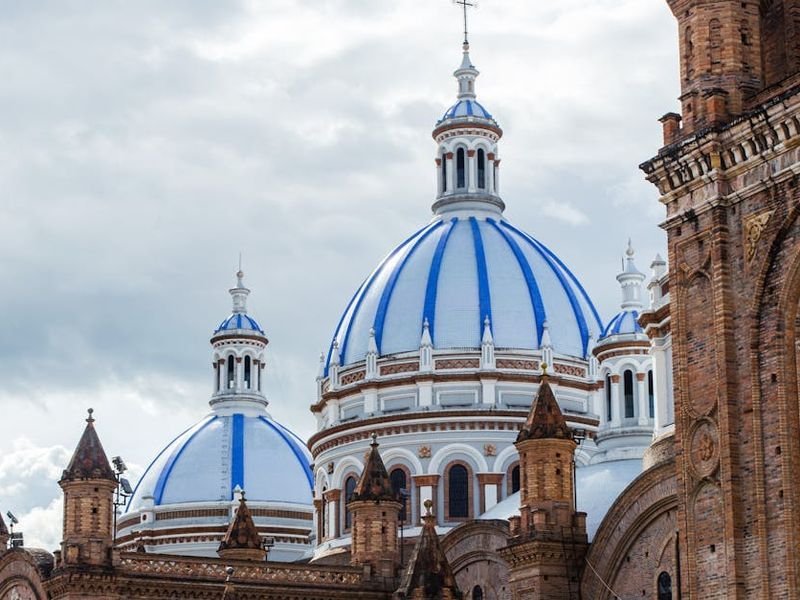
- Day 1: Stroll Parque Calderón, visit the New Cathedral and explore artisan shops around the old town.
- Day 2: Early trip to El Cajas for lakes, hiking and birdwatching; evening at the Turi viewpoint for sunset views.
- Day 3: Chordeleg and Gualaceo for crafts, plus a relaxed riverside lunch on the Tomebamba.
5-day wet-season relaxed trip (November–April)
- Day 1: Arrive, acclimatize, museum afternoon (Museo Pumapungo) and sample local cuisine.
- Day 2: Morning market visit and craft shopping; afternoon cooking class or café-hopping in the Old Town.
- Day 3: Short morning excursion to a nearby village; rainy-afternoon options include gallery visits or watching local music performances.
- Day 4: Day trip to Ingapirca ruins (if roads are passable) or slower exploration of parks and historic houses.
- Day 5: Last-minute shopping and departure.
Practical tips for long-term stays and expats
If you plan to move or stay in Cuenca for months, spring and fall (May–June or September–October) are ideal times to relocate. Fewer tourists, easier apartment hunting, and moderate weather make logistics easier. For long-term leases, start looking 2–3 months in advance if you need a specific neighborhood or amenities.
Health care in Cuenca is considered excellent by regional standards, and most expats quickly adapt to the altitude. If you take prescription medication, bring a supply and obtain a local prescription on arrival if needed.
Final decision factors: match your priorities
To summarize which months fit which traveler:
- Choose June–September for the best weather for hiking, photography and outdoor day trips.
- Choose November (around Nov 3) for lively festivals and cultural color, but book early.
- Choose May or October if you want lower prices and a mix of both worlds.
- Choose December–April if you don’t mind rain and prefer lush landscapes or quieter parks.
No matter what month you visit, Cuenca’s colonial charm, culinary scene, and friendly neighborhoods offer plenty to discover. With a little planning and the right gear, you’ll get the most out of this highland city whether you’re chasing sunny trails in El Cajas or enjoying a cozy café afternoon in the old town.
Useful resources and next steps
Before you go, check local weather forecasts for Cuenca and the specific day-trip destinations you plan to visit. Book accommodation early for peak months and festivals, and consider flexible tickets in case changing weather alters travel plans. Finally, bring layers, protect yourself from the sun, and leave room in your itinerary for unplanned discoveries—Cuenca rewards both carefully planned days and spontaneous detours.