
Table of Contents
Why timing matters in Cuenca
Cuenca sits at about 2,550 meters (8,370 feet) above sea level in Ecuador’s southern highlands. That altitude gives the city a mild, spring-like climate year-round — but it also creates distinct practical considerations for visitors: a rainy season that can limit outdoor plans, a dry season perfect for hiking, and cultural peak times with festivals and markets. Choosing when to travel to Cuenca is not just about chasing sunshine; it’s about aligning weather, activities, and local life to get the experience you want.
Quick overview: Seasons and what they mean
Cuenca’s weather doesn’t follow the four temperate seasons. Instead, think in terms of two main patterns:
- Dry season (Best for outdoor activities): roughly June through September. Clearer skies, less mud on trails, and more predictable days for Cajas National Park, nearby ruins, and scenic viewpoints.
- Wet season (Lush landscapes and lower prices): roughly October through May. Expect frequent afternoon showers, dramatic cloudscapes, and greener countryside. Some months are wetter than others, especially February to April.
Temperatures are steady all year: daytime highs around 18–21°C (64–70°F) and nights typically between 7–11°C (45–52°F). The big variables are rainfall, wind, and strong UV from the high altitude.
Month-by-month snapshot
This quick calendar will help you choose the ideal month based on activities and crowds.
- January–March: Still part of the wet season. Expect rain, but also fewer tourists and vibrant countryside. Good for budget travelers and cultural immersion. Take waterproof gear.
- April–May: Transitional months. Rain diminishes, though showers remain common. Easter (Holy Week) often falls here and brings processions and local traditions to experience — but accommodation fills up.
- June–September: The best months for hiking, exploring Cajas National Park, and enjoying outdoor cafes. Days are often sunny and crisp; nights can be colder. Peak tourist season in Cuenca, particularly July and August.
- October–November: Rain increases again, but November is also festival month: Cuenca’s Independence festivities (early November) feature parades, music, and local food — a fantastic cultural time to visit if you don’t mind mixed weather.
- December: Variable — holiday season brings both local events and family gatherings. Expect some rain and higher prices around Christmas/New Year.
Best overall time to visit and why
If you’re mainly coming to hike, take day trips into the mountains, and enjoy outdoor cafes and terraces, aim for June through September. These months give you the most reliable weather for Cajas National Park, El Mirador de Turi, and riverside walks along the Tomebamba. Photographers and walkers will appreciate longer stretches of crisp blue skies.
If cultural immersion is your priority — parades, artisan markets, and local foods — consider late October to early November for Independence Day celebrations. And if you want quieter streets, lower prices, and don’t mind a few showers, the wet season (January–May) gives you lush scenery and more space at attractions.
Top things to do by season
Dry season highlights (June–September)
- Hike in Parque Nacional Cajas: lakes, lenga forests, and highland moors are best explored with dry trails and clear views.
- Walk the riverside neighborhoods and terraces without frequent interruptions from rain.
- Visit viewpoint Turi for sunsets and panoramic shots of the city under crisp skies.
Wet season highlights (October–May)
- Enjoy quieter museums: Museo Pumapungo and the Archaeological Museum are less crowded during rainy months.
- Take advantage of lush landscapes for photography: waterfalls and the countryside around Gualaceo and Chordeleg are especially dramatic.
- Experience local festivities and market life with fewer tour groups; November provides a cultural peak with the city’s Independence celebrations.
Packing essentials for Cuenca year-round
Because weather can change within a single day, your packing list should prioritize layers and weatherproof items.
- Lightweight waterproof jacket with hood — essential year-round.
- Fleece or thin down jacket for chilly mornings and evenings.
- Breathable base layers and long-sleeve shirts to manage sun and wind.
- Sturdy, waterproof walking shoes or light hiking boots for cobblestones and muddy trails.
- Sun protection: wide-brim hat, sunglasses, and high-SPF sunscreen (UV rays are stronger at altitude).
- Umbrella or compact rain poncho for afternoon showers.
- Reusable water bottle, altitude remedies (if advised by your doctor), and any prescription meds.
Acclimatization and health tips
At ~2,550 meters you may feel the altitude even if you’re healthy. Symptoms of mild altitude sickness (soroche) can include headache, fatigue, and shortness of breath. Here’s how to minimize problems:
- Spend your first 24–48 hours taking it easy: avoid strenuous hikes and heavy meals.
- Stay hydrated — drink plain water rather than alcohol or heavy coffee.
- Eat light, carbohydrate-rich meals the first day or two; avoid very salty or greasy foods.
- Consider talking to your physician about acetazolamide if you have a history of severe altitude issues.
- Over-the-counter remedies like acetaminophen can help with headaches; seek medical attention if symptoms worsen.
Getting to Cuenca and getting around
Cuenca’s airport (Mariscal Lamar, CUE) is small and sits near the city. Flights from Quito or Guayaquil are short but can be affected by weather — during the wet season occasional delays occur. If you prefer land travel, buses are comfortable and scenic: from Guayaquil it’s about 4–5 hours; from Quito closer to 8–10 hours depending on route.
In the city, you’ll find taxis, local buses, and a modern tram system (Tranvía) that connects central neighborhoods. Walking is one of the best ways to enjoy Cuenca’s historic center — the UNESCO-listed core is compact and filled with plazas, churches, and artisan shops.
Where to stay by season and neighborhood tips
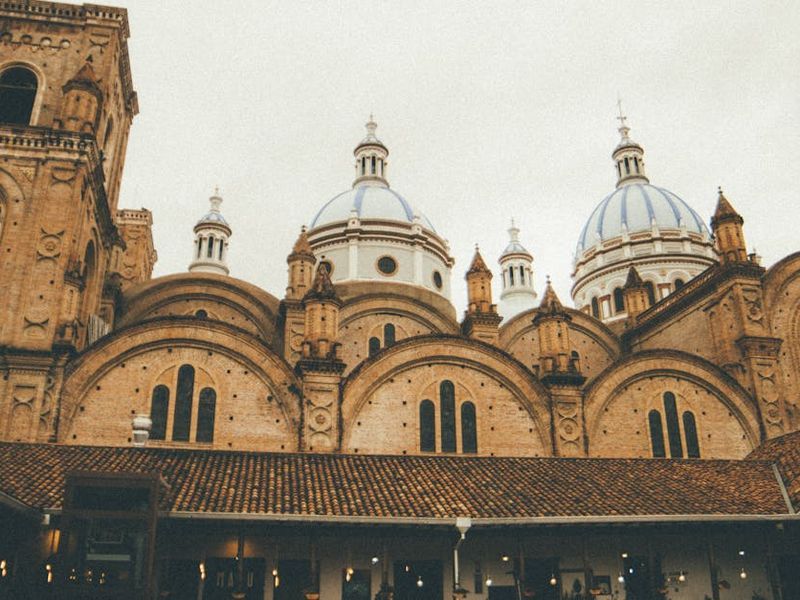
Cuenca’s historic center (around Parque Calderón) is ideal for first-time visitors — you’re steps away from the blue-domed cathedral, museums, restaurants and plazas. For quieter nights, look for guesthouses across the river in barrios like El Barranco or near Turi (good for views).
Seasonal considerations:
- Dry season: Book early — rooms fill for hiking weekends and July/August school vacations.
- Wet season: You’ll find lower rates, but confirm heating or thick blankets if you’re sensitive to cold nights.
Local events and cultural timing
Cultural events can define when you choose to visit. Two standouts:
- Holy Week (Semana Santa): March/April (date varies) — traditional processions and religious events; hotels can fill for locals traveling home.
- Independence of Cuenca: early November — parades, concerts, and street festivities that give you an authentic slice of local life amid occasional rainy days.
Check local calendars before you go — small artisan fairs, concert series, and temporary exhibitions pop up throughout the year, especially in cultural hubs like the Casa de la Cultura and small neighborhood galleries.
Day trips ideal for the chosen season
Best in dry months:
- Parque Nacional Cajas: Lakes and highland trails are at their best in clear weather; bring good layers for wind and cold.
- Ingapirca: Ecuador’s largest Inca ruin (about 1.5–2 hours away) is easy to combine with clear weather for better views and less mud.
Best in wet months:
- Gualaceo & Chordeleg: Enjoy artisan markets and indoor workshops where you can watch silversmiths and weavers at work without worrying about rain interrupting the fun.
- Local museums and markets: Spend rainy afternoons exploring Museo Pumapungo, craft shops, and covered markets like Mercado 10 de Agosto.
Practical travel tips to save time and money
- Plan outdoor treks during the dry months to avoid soggy trails and cancelled excursions.
- Book tours and lodgings early if you travel during festival periods or the June–August high season.
- Carry small cash for market purchases — many artisan stalls prefer cash and smaller denominations.
- Shop for Panama hats and local textiles from reputable stores: bargaining is common at markets, but for finer goods seek recommendations or stores with clear labels.
- Be mindful of the sun: even on cloudy days UV can be intense at altitude. Use sunscreen and hats.
Sample itineraries based on timing
Three days in dry season (June–September)
- Day 1: Explore the historic center, Catedral Nueva, Pumapungo Museum, and riverside El Barranco at sunset.
- Day 2: Full-day excursion to Parque Nacional Cajas — hiking and lake viewing.
- Day 3: Day trip to Ingapirca or artisan towns Chordeleg and Gualaceo.
Three days in wet season (October–May)
- Day 1: Museums, covered markets, and a chocolate or cheese tasting in the city.
- Day 2: Visit Chordeleg and local workshops; buy jewelry and handicrafts.
- Day 3: Take a slow morning at a café, then a short drive to nearby viewpoints (if weather allows) or a cooking class to learn local dishes like llapingachos and hornado.
Final decision guide
If you want outdoors and clear skies, pick June–September. If you want culture, local festivities, and fewer tourists, consider late October–November or the quieter wet months with the caveat that rain may alter plans. Whatever you choose, pack for rapid weather changes, allow time to acclimatize to altitude, and include at least one spontaneous stroll through Cuenca’s plazas — the city itself is always a highlight.
Cuenca rewards visitors year-round: whether you time your trip for blue-sky hikes or colorful street festivals, planning around the seasons will help you get the most from Ecuador’s highland gem.