
Table of Contents
Why visit Ecuadors southern highlands?
The southern highlands of Ecuador offer a compelling mix of colonial cities, cloud forest biodiversity, and mellow mountain valleys. From Cuenca’s cobblestone streets and UNESCO-listed architecture to Loja’s musical heart and Vilcabamba’s languid, wellness-centered life, this region rewards visitors who want culture, nature, and slower travel rhythms. This guide gives practical tips, local insights, and itinerary ideas so you can plan a memorable trip.
Quick orientation: altitudes, climate, and travel flow
Understanding altitude and climate helps tailor your packing and schedule. Cuenca sits at about 2,560 meters, offering cool days and crisp nights. Loja is lower, around 2,060 meters, with a slightly warmer, dry climate. Vilcabamba lies down in a long valley near 1,500 meters, and is noticeably warmer and more tropical than the two cities.
A common route is to arrive in Cuenca, spend a few days exploring, then travel south to Loja and continue to Vilcabamba. Public buses and shared taxis connect the cities reliably, and the drives are scenic, winding through Andean foothills and cloud forest patches.
Cuenca: colonial charm, modern conveniences
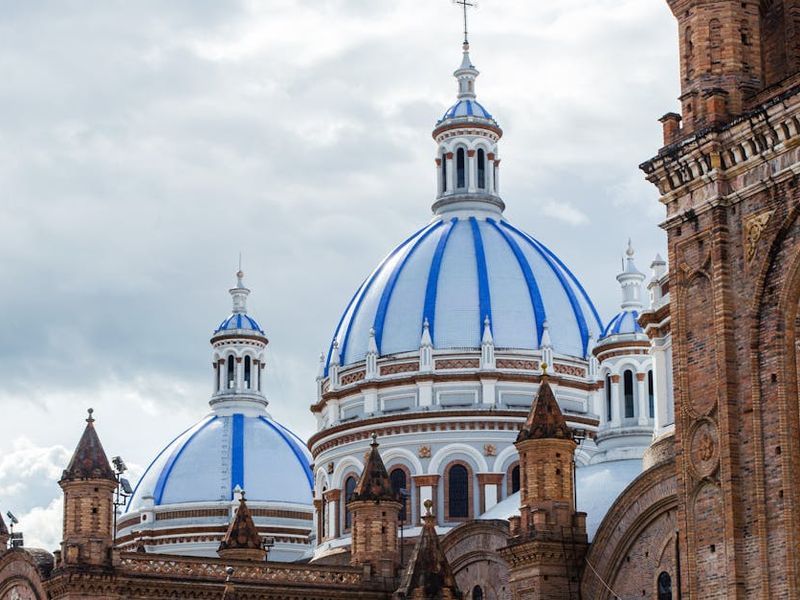
Cuenca is often the first stop for travelers in the southern highlands, and for good reason. Its historic center is a compact, walkable grid filled with red-tile domes, stone churches, and plazas that beg to be photographed. Highlights include the soaring cathedral domes, riverside promenades along the Tomebamba, and museums that showcase the region s Inca and colonial past.
Beyond the postcard views, Cuenca is a practical base. You ll find a range of accommodations from budget hostels to upscale boutique hotels. There are modern hospitals and clinics, pharmacies on many corners, international restaurants, and reliable internet in most cafes. The city also has a vibrant artisan scene: look for woven textiles, ceramics, and the famous Ecuadorian brim hats that tourists often call Panama hats.
Day trips from Cuenca are plentiful. El Cajas National Park is a highland reserve filled with glacial lakes and paramo grasslands, perfect for hiking and birdwatching. For history buffs, the Ingapirca ruins are reachable in a day and deliver a deeper sense of precolonial life in the Andes.
Practical tips for staying in Cuenca
- Stay in or near the Centro Historico for first-time visitors; you ll be within walking distance of major sites and restaurants.
- Bring warm layers: mornings and evenings can be chilly even when days are pleasant.
- Try local dishes such as hearty potato soups, roasted pork plate specials, and street snacks; many markets offer excellent fresh fruit and juices.
- Use taxis or ride-hailing services after dark and keep small bills handy for short rides.
Loja: a quieter cultural capital with superb birding
Loja is often called Ecuador s cultural capital and it lives up to the name. The city has a relaxed pace, a strong musical tradition, and a compact historic center centered around a pleasant main plaza. Loja s true strengths are the nearby cloud forests and Podocarpus National Park, which are hotspots for birdwatchers and hikers.
Podocarpus supports unique ecosystems and offers trails for all fitness levels; expect dramatic ridgelines, epiphyte-laden trees, and an astonishing bird list that often includes species found nowhere else. For travelers who love nature and a quieter town, Loja is an excellent stop.
Loja also makes a good logistical hub if you want to explore southern Loja province: fossils and petrified wood at Puyango, small artisan towns, and coffee farms are all within reach. The food scene is honest and local; small family restaurants serve generous portions at modest prices.
Practical tips for visiting Loja
- Book birding or nature tours with local guides who know trail access and seasonal hotspots.
- If you re sensitive to altitude, Lo jas lower elevation compared to Cuenca makes it easier to adapt and enjoy outdoor activities.
- Carry cash for rural excursions; many small towns and park entrances do not accept cards.
- Try local roasted coffee and artisan baked goods in Loja s bakeries for an easy breakfast before hitting the trails.
Vilcabamba: wellness, warmth, and slow living
Vilcabamba is famous internationally for its relaxed lifestyle and reputation as a longevity valley. Located in a sheltered mountain basin, the town enjoys a nearly year-round mild climate and a landscape of orchards, eucalyptus, and small farms. Visitors come for hiking, waterfall excursions, yoga and wellness retreats, and the small but active expat scene.
The town is small and easily walkable. Its cafes and weekend markets offer fresh produce, indigenous crafts, and handmade natural products. Many travelers report feeling instantly calmer in Vilcabamba s slower environment, making it a popular spot for a restful few days after city touring.
Outdoor options include short hikes to nearby cascades, horseback rides, and scenic walks across ridgelines that reveal the valley and distant peaks. If you re curious about alternative health practices or want to join a retreat, there are several centers that run weekend and week-long programs.
Practical tips for Vilcabamba
- Expect fewer tourist facilities than in Cuenca; independent travelers will find the town charming but low-key.
- Many accommodations are small guesthouses or eco-lodges; book ahead during high season or wellness events.
- Bring insect repellent for evening walks and a light rain jacket for sudden showers.
- Use local minibuses or arrange transfers from Loja; the drive is short and scenic.
Getting around the southern highlands
Travelers have several options depending on budget and comfort level. Long-distance buses run between major cities and are inexpensive, comfortable, and frequent. For more flexibility, private drivers or rental cars let you stop at viewpoints and small towns along the way. Roads can be narrow and winding in places, so cautious driving is advised.
When taking buses, arrive at the terminal a bit early and bring snacks and water. For last-mile travel to smaller towns and nature areas, look for colectivos, shared taxis, or book a local taxi. Ride-hailing apps and taxis operate in Cuenca, making nighttime arrivals simple.
Sample 8 to 10 day itinerary
Here is a balanced route that hits culture, nature, and relaxation without rushing.
- Days 1-3: Cuenca. Walk the historic center, visit museums, and take a day trip to El Cajas.
- Day 4: Travel to Loja. Spend the afternoon exploring the plaza and sampling local cuisine.
- Days 5-6: Loja and Podocarpus. Take a guided birding hike or explore surrounding coffee estates.
- Days 7-9: Vilcabamba. Rest, hike to waterfalls, join a yoga class, and shop at the weekend market.
- Day 10: Return to Cuenca or continue on to the coast or Amazon region depending on your broader plans.
Safety, health, and practical travel tips
Overall, the southern highlands are safe for travelers who use common sense. Keep valuables out of sight and use hotel safes where available. Carry a copy of your passport and an emergency contact list. For health, remember that the region s altitudes can affect breathing and sleep—take it easy for the first day or two in Cuenca. Hydration, layered clothing, and sunscreen help with sudden weather shifts.
Medical care in major towns is competent; Cuenca has modern medical facilities. If you carry prescription medications, bring enough supply and keep copies of prescriptions. Travel insurance that covers medical evacuation is useful for remote hikes or adventure activities.
Packing checklist for the southern highlands
- Layered clothing: light shirts, warm sweater, packable jacket.
- Comfortable walking shoes and a sturdier pair if you plan to hike.
- Sunscreen, sunglasses, and a hat for high-altitude sun exposure.
- Reusable water bottle and water purification tablets if you plan remote treks.
- Basic first-aid kit and any prescription medicines.
- Spanish phrasebook or translation app; English is less common outside major tourist spots.
Food, markets, and cultural tips
Food across the region tends to be hearty, with soups and roasted meats common in higher elevations and more tropical fruits and grilled fish appearing as you descend. Markets are an excellent place to sample local flavors, find fresh fruit, and pick up textiles or baked goods. Try regional cheeses, fresh juices, and small roadside bakeries for an affordable and flavorful breakfast.
Cultural etiquette is welcoming but conservative in small towns. Greet people with a friendly hola or buenos dias and be respectful when photographing individuals. Haggling is common at artisanal markets but do so politely.
Final thoughts and travel rhythm
The southern highlands of Ecuador are best enjoyed slowly. Allow time for spontaneous detours, a long lunch at a sunny plaza, or a relaxed hike with time for birdwatching and photos. Whether you re drawn by Cuenca s colonial charm, Loja s musical spirit, or Vilcabamba s restorative valleys, this region offers a rewarding combination of culture and nature that stays with many travelers long after they ve left.
Plan for flexibility, pack for variable conditions, and be ready to savor small-town life as much as the headline attractions. With a little preparation, the southern highlands can be the most restorative leg of your Ecuador adventure.