
Table of Contents
Why Timing Matters in Cuenca
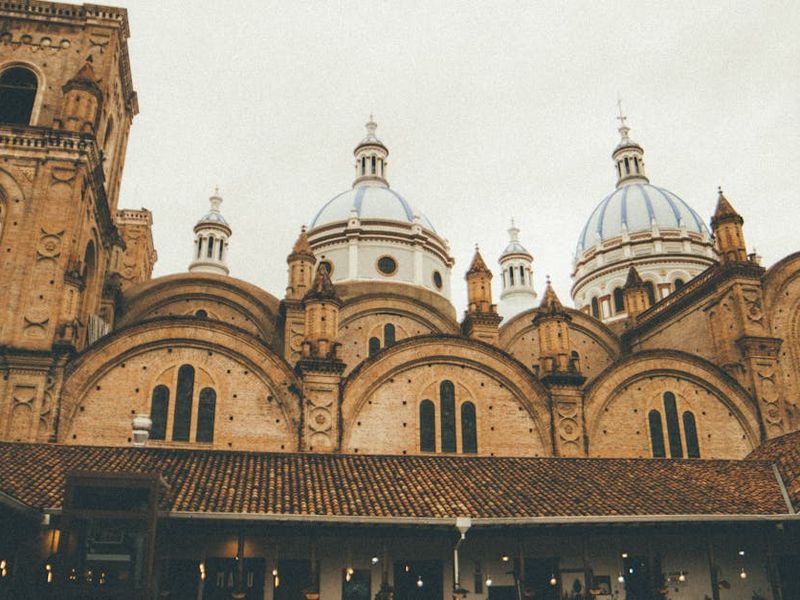
Cuenca feels timeless: UNESCO-listed colonial streets, the Río Tomebamba winding past blue-domed cathedrals, and towering Andean peaks visible on clear days. Yet the experience you get depends a lot on when you go. At 2,560 meters (about 8,400 feet) above sea level, Cuenca’s climate, festivals, trail access, and even prices follow seasonal rhythms that are different from lowland beach destinations. This guide walks you through month-by-month choices, practical tips, and local details so you can pick the best time for your priorities—clear weather for hiking, lively festivals, birdwatching, or quieter, greener months with lower costs.
Quick Climate Snapshot
Cuenca has a mild, spring-like climate year-round with two broad seasons: a drier stretch and a wetter stretch. Expect average daytime highs around 18–21°C (64–70°F) and nighttime lows around 6–10°C (43–50°F). The sun at this altitude is strong—bring sun protection even on cool days. The most practical breakup is:
- Dry season: June to September — more sunshine, great for hiking and outdoor day trips.
- Wet season: October to May — more frequent rains, especially heavy showers in March and April, but lush landscapes and fewer tourists.
Best Months by Travel Style
For Hikers and Clear Views: June to September
If your main goal is to hike Cajas National Park, take highland photos, or enjoy open-air cafés, aim for June through September. Trails are generally drier and visibility is high, so you’re more likely to get sweeping views of glacial lakes and paramo grasses. Note: this is peak season for domestic tourism too, so book lodgings and day tours early, especially in July and August.
For Lower Prices and Lush Landscapes: October to May
Visiting during the wet season has plenty of advantages. Rainfall keeps the surrounding hills emerald green, markets overflow with fresh produce, and hotels are often cheaper. If you don’t mind afternoon showers (they often pass quickly), you’ll enjoy quieter streets and a more local pace. Birders and photographers who like moody skies will also appreciate the colors of the wet months.
For Festivals and Cultural Events: March–April and November
Cuenca’s cultural calendar has a few big moments: Semana Santa (Easter week) in March or April brings dramatic religious processions through the historic center, while early November marks independence-related celebrations and All Souls’ Day (Día de los Difuntos) — a time of elaborate cemetery traditions and special foods. These months are ideal for travelers wanting immersive cultural experiences, but expect crowds and higher hotel rates around major dates.
Month-by-Month Breakdown (Fast Reference)
Here’s a concise look at what each month tends to offer in Cuenca.
- January–February: Rainy season continues; lush scenery and lower prices. Expect occasional heavy showers and warm, humid afternoons.
- March–April: Peak of rainy season with dramatic Easter processions if dates align. Good for cultural travel; watch for mud on rural trails.
- May: Transition month—rain declines late in the month and prices remain moderate.
- June–August: Dry, sunny days and cool nights. Best time for hiking, day trips, and clear skyline shots of the cathedral domes.
- September: Still dry but quieter than July-August—an excellent shoulder month.
- October: Rain returns; shoulder-season bargains and fewer crowds. Great for travelers who want a calm city and green countryside.
- November: Independence events and Día de los Difuntos bring unique cultural experiences; weather variable.
- December: Mix of sunny and rainy days; tourist traffic picks up around Christmas and New Year’s.
What to Pack for Cuenca (Smart Layering)
Packing for Cuenca is all about layers and weather-proofing. Here’s a practical list to cover both dry and wet seasons:
- Lightweight waterproof jacket and a compact umbrella for sudden showers.
- Warm mid-layer (fleece or light down) for chilly mornings and evenings.
- Sun hat, sunglasses, and high-SPF sunscreen—the UV index is high at altitude.
- Sturdy walking shoes or hiking boots for cobblestones and trails.
- Daypack with rain cover and reusable water bottle (hydration helps with altitude).
- Power bank and adapters (Ecuador uses 120V and North American plugs, Type A/B).
- Medicine for altitude-related headaches if you’re concerned (acetazolamide only if prescribed) and basic first-aid items.
Health & Altitude: What to Expect
At 2,560 m many travelers feel slight shortness of breath or mild headaches on the first day. Most symptoms are manageable:
- Take it easy the first 24–48 hours—avoid strenuous hikes or heavy alcohol.
- Stay hydrated and eat light meals; coca tea is widely available and traditionally used to ease altitude symptoms.
- If you have serious cardiovascular or respiratory conditions, check with a doctor before travel.
Where to Stay: Neighborhood Tips
Your choice of neighborhood shapes your Cuenca experience:
- El Centro (Historic Center): Stay here for cobblestone streets, blue-domed cathedral views, museums like Pumapungo close by, and easy access to restaurants and nightlife.
- Turi: A hilltop neighborhood offering panoramic city views—great for sunset watchers and quieter nights.
- Along the Río Tomebamba: Charming riverside walks and cafés; an excellent central location without being in the busiest square.
Top Day Trips by Season
Cuenca is a perfect base for a variety of day trips, and the best options depend on the season.
Cajas National Park (Best in Dry Months)
About a 45–60 minute drive west of Cuenca, Cajas National Park offers glacial lakes, hiking routes, and páramo ecosystems. Trails get muddy in the rainy season; aim for June–September for the best trail conditions and clearer views. Bring warm clothes and waterproof footwear year-round.
Chordeleg & Gualaceo (Crafts and Markets)
These nearby artisan towns offer silverwork, textiles, and local markets—in any season. Chordeleg is famous for filigree jewelry; Gualaceo has vibrant textiles and a lively market atmosphere. Weekends are busiest with locals shopping, so visit on a weekday if you prefer calmer markets.
Ingapirca (Historical Ruins)
The Ingapirca archaeological site, the largest Inca ruins in Ecuador, makes a compelling half- or full-day trip. Dry weather helps if you’re exploring the stone terraces and sun temple. Combine a morning visit with a roadside lunch at a small village for a full cultural day.
Festivals and Cultural Highlights
Cuenca’s calendar is full of cultural moments where the city’s colonial architecture becomes a stage for processions, parades, and local food traditions:
- Semana Santa (Easter week): Elaborate religious processions and street rituals that attract both locals and visitors—an evocative time to experience Cuenca’s traditions.
- All Souls’ Day / Día de los Difuntos (early November): Families honor ancestors with visits to cemeteries and special dishes; it’s a poignant cultural moment and a unique travel experience.
- Independence-related events (early November): Parades and civic celebrations light up the city; check local calendars for specific dates.
Crowds, Prices, and Booking Tips
Peak tourist months are June–August and around Christmas and Easter. Hotels, restaurants, and popular tours can sell out; book in advance for better rates. During the wetter months, you’ll find lower hotel prices and more availability—perfect for budget travelers or those prioritizing a quieter visit.
Getting There & Around
Cuenca’s Mariscal Lamar International Airport (CUE) connects with Quito and Guayaquil. Many international travelers arrive via Quito or Guayaquil and then take a short domestic flight or a scenic bus ride. Buses to Guayaquil take about 3.5–4 hours; buses to Quito take closer to 8–10 hours depending on stops.
Inside the city, taxis are inexpensive and plentiful; agree on a price or confirm the meter. Cuenca is also very walkable in its core—expect cobblestone streets and a pleasant riverside walk along the Tomebamba.
Safety and Practical Local Tips
Cuenca is considered one of Ecuador’s safest big cities, but normal precautions are wise: avoid flashing valuables, be mindful in crowded markets, and keep a copy of your passport. Practical local details:
- Currency: Ecuador uses the US dollar—carry small bills for markets and taxis.
- Language: Spanish is primary; many tourism workers speak English in hotels and tours, and basic Spanish phrases help a lot.
- Tipping: Restaurants often include a 10% service charge; if not, 10% is customary for good service.
Sample Itineraries by Length of Stay
48–72 Hours: Cuenca Essentials
- Day 1: Walk the historic center, visit the New Cathedral with its blue domes, and stroll along the Río Tomebamba.
- Day 2: Pumapungo Museum and ruins, Mercado 10 de Agosto for local flavors, and an evening at a riverside café.
- Day 3 (optional): Short trip to nearby artisan markets or a half-day viewpoint at Turi.
5–7 Days: Add Natural Wonders and Villages
- Include a full day in Cajas National Park for hiking and lakes.
- Visit Chordeleg and Gualaceo for crafts and market life.
- Consider Ingapirca ruins as a cultural excursion outside the city.
10 Days or More: Deeper Highland Exploration
- Use Cuenca as a base for multi-day hikes in Cajas, birding expeditions, and wandering lesser-known highland villages.
- Spend extra time connecting with the local expat community, exploring agritourism farms, or taking Spanish classes.
Final Advice: Pick the Season that Matches Your Priorities
There’s no single “best” month to visit Cuenca—only the best time for what you want to do. Choose June–September for hiking and bright skies; choose October–May if you prefer green landscapes, fewer crowds, and better deals; pick religious holiday periods if cultural immersion is your goal. Wherever you go in the city, the mix of colonial architecture, warm cafés, and highland scenery ensures a memorable trip—just bring layers, rain protection, and an appetite for exploring both plazas and mountain trails.
Ready to plan? Start by checking festival dates for the year you’ll travel and book accommodation early if your dates fall in the dry season or around major holidays. With the right timing, Cuenca rewards visitors with everything from tranquil riverside mornings to dramatic cultural processions under the Andes.
Adam Elliot Altholtz serves as the Administrator & Patient Coordinator of the “Smilehealth Ecuador Dental Clinic“, along with his fellow Expats’ beloved ‘Dr. No Pain‘, right here in Cuenca, Ecuador, and for purposes of discussing all your Dental needs and questions, is available virtually 24/7 on all 365 days of the year, including holidays. Adam proudly responds to ALL Expat patients from at least 7:00am to 9:00pm Ecuador time, again every single day of the year (and once more even on holidays), when you write to him by email at info@smilehealthecuador.com and also by inquiry submitted on the Dental Clinic’s fully detailed website of www.smilehealthecuador.com for you to visit any time, by day or night. Plus, you can reach Adam directly by WhatsApp at +593 98 392 9606 -or by his US phone number of 1‐(941)‐227‐0114, and the Dental Clinic’s Ecuador phone number for local Expats residing in Cuenca is 07‐410‐8745. ALWAYS, you will receive your full Dental Service in English (NEVER in Spanish), per you as an Expat either living in or desiring to visit Cuenca by your Dental Vacation, plus also to enjoy all of Ecuador’s wonders that are just waiting for you to come arouse and delight your senses.