
Table of Contents
Why Cuenca Belongs on Your Ecuador Itinerary
Cuenca, Ecuador’s colonial jewel set high in the Andes, is a compact city that rewards curious travelers. Its UNESCO-listed historic center, sweeping cathedral domes, riverside promenades and lively markets make it a great place to start exploring the country. Whether you’re drawn to architecture, artisan crafts, outdoor adventures or a relaxed café scene, Cuenca packs a lot into a walkable, manageable city.
Quick Practical Facts
- Altitude: about 2,560 meters (8,400 feet) — plan a gentle first day to acclimatize.
- Currency: United States dollar (USD).
- Airport: Mariscal Lamar (CUE) — small regional airport with flights to Quito and Guayaquil.
- Language: Spanish is dominant; English is less common outside tourist services.
- Climate: Year-round mild temperatures. Expect cool nights and a mix of dry and rainy seasons.
Arriving and Getting to the City
Flying into Mariscal Lamar keeps travel time low—taxis and shared shuttles can take you to the historic center in 25–40 minutes depending on traffic and exact pickup location. If you arrive at Terminal Terrestre (the long-distance bus station), buses and taxis serve most neighborhoods. Always use official yellow taxis or pre-arranged hotel transfers from the airport; Mariscal Lamar is small, and staff can recommend trusted drivers.
Tip: Watch the weather and flight schedules
Mountain weather can change quickly. Flights into CUE sometimes experience delays due to low clouds or wind. If your schedule is tight, consider an earlier arrival or a buffer day.
First 48 Hours: Acclimatize and Explore Slowly
At 2,560 meters, many visitors feel mild altitude effects—headache, shortness of breath, or light fatigue. Drink plenty of water, take it easy the first day, and avoid heavy exercise and drinking too much alcohol. Local remedies like coca tea (mate de coca) are widely offered and can help alleviate mild symptoms, but consult your doctor if you have heart or lung conditions.
Where to stroll on your first day
Begin with Plaza Calderón, the heart of the historic center, framed by the imposing Cathedral with its sky-blue domes. Walk along the Tomebamba River to the charming El Barranco neighborhood for balcony views and artisan shops. The relatively compact center allows you to see several highlights without overexerting yourself.
Where to Stay: Neighborhoods for Every Traveler
Cuenca has neighborhoods that suit different styles of travel. The Historic Center (Centro Histórico) puts you steps from the main plazas, churches and cafés—ideal for first-time visitors who want maximum walking access. San Sebastián and El Batán offer quieter, more residential options within easy reach. For longer stays or a more local feel, consider feeling outtar with expat-friendly neighborhoods like Yanuncay, where supermarkets and services are plentiful.
Practical lodging tips
- Book a place with reliable hot water if you prefer warm showers—some older buildings have intermittent systems.
- Higher-floor rooms can be cooler at night—check heating or extra blankets if you’re sensitive to cold.
- Many hotels and guesthouses will provide airport pickups—ask ahead to avoid haggling at the terminal.
Getting Around Cuenca
Cuenca is surprisingly walkable; the flat sections of the historic center are easy on foot. For longer trips, taxis are inexpensive—always use official yellow taxis and agree on a price or ask the driver to use the meter: “Por favor, ponga el taxímetro.” Ride-share apps operate intermittently, so they’re an option but not always reliable.
Public buses and intercity travel
Local buses are budget-friendly, but can be crowded and confusing if you don’t speak Spanish. For day trips to places like Cajas National Park, artisan towns (Gualaceo, Chordeleg) or the bus to Guayaquil/Quito, use the Terminal Terrestre and reputable intercity companies—book tickets in advance during holidays.
Food, Markets and Eating Like a Local
Cuenca’s culinary scene blends Andean tradition with modern cafes and international options. Don’t miss local dishes such as llapingachos (potato cakes), mote pillo (corn and egg), hornado (slow-roasted pork) and the adventurous cuy (guinea pig) for those willing to try it. The city has a great café culture—perfect places to sample Ecuadorian coffee and pastries.
Markets to explore
Visit Mercado 10 de Agosto for a bustling local market experience; it’s ideal for affordable meals, fresh fruit juices, and local produce. Mercado Central and smaller neighborhood markets offer fresh cheeses, bread, and traditional foods. Markets are busiest in the morning—go early for the best selection.
Museums, Architecture and Cultural Highlights
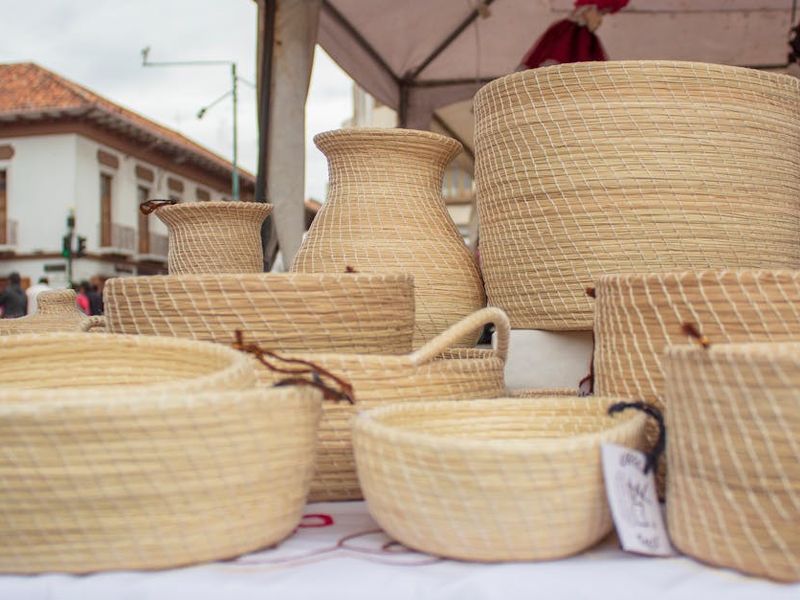
Take your time in the historic center to absorb the city’s colonial architecture and museums. Museo Pumapungo is a well-regarded cultural and archaeological center that gives context to the region’s pre-Columbian past. Stroll El Barranco for riverside views and boutique shops. Keep an eye out for artisan workshops—Cuenca is a gateway to high-quality crafts from the southern highlands.
Plan slow museum afternoons
Museums in Cuenca are compact and enjoyable without feeling rushed. Combine a museum visit with a nearby café to rest and acclimate between sights.
Top Day Trips from Cuenca
Cuenca makes an excellent base for day trips into the southern Andes and artisan towns. Two highly recommended outings:
- Cajas National Park — about 30–60 minutes away depending on your route; high-altitude lakes, short hikes, and dramatic páramo landscapes. Dress warmly and bring layered clothing and waterproofs.
- Gualaceo and Chordeleg — artisan towns known for ceramics, textiles, and silver jewelry. Great for shopping and seeing craft techniques in person.
Money, Cards and Tipping
Cuenca runs on US dollars, making transactions straightforward for many international visitors. ATMs are widespread, but carry some cash for markets, taxis and smaller vendors who prefer cash. Credit cards are accepted in most restaurants and shops, but always ask beforehand for smaller establishments.
Tipping and paying
Service is often included in restaurant bills; if not, a 10% tip is appreciated but not mandatory. For taxis, rounding up or leaving small change is common practice. Keep a few small bills for tips, public toilets (which sometimes charge a small fee), and market purchases.
Health, Safety and Practical Precautions
Cuenca is generally safe, especially in tourist areas, but petty theft (pickpocketing) can occur in crowded markets and on buses. Keep valuables secure, use a money belt or neck pouch for passports and extra cash, and avoid displaying expensive jewelry or cameras unnecessarily. Make a photocopy of your passport and keep it separate from the original.
Health and medical care
Medical facilities in Cuenca are good, with private clinics and pharmacies offering a wide range of services. Bring any prescription medicine you need and a basic travel health kit. If you have chronic conditions, consult your doctor about altitude adjustments before traveling.
Connectivity: Phones, Internet and Helpful Apps
Wi‑Fi is available in many hotels and cafés. If you want mobile data, buy a local prepaid SIM—carriers like Claro and Movistar provide coverage; bring an unlocked phone and your passport to register the SIM. Useful apps include Google Maps for navigation, Google Translate (download Spanish offline), and local taxi apps if available. For hiking routes in Cajas, Maps.me or AllTrails can be handy.
Practical Packing List for Cuenca
- Layers: light fleece, rain jacket and a warmer layer for nights.
- Sunscreen and sunglasses—UV is strong at altitude.
- Comfortable walking shoes for cobblestones.
- Reusable water bottle and small medical kit.
- Plug adapter for North American-style A/B plugs (Ecuador uses 110/120V).
- Copies of important documents and a small amount of USD in small bills.
Learn a Few Local Phrases
A little Spanish goes a long way. Useful phrases include: “¿Cuánto cuesta?” (How much does it cost?), “¿Dónde está el baño?” (Where is the bathroom?), “Por favor, ponga el taxímetro” (Please turn on the meter), and simple greetings like “Buen día” or “Buenas tardes.” Locals appreciate any effort to speak Spanish and will often respond warmly.
Respectful Travel: Customs and Etiquette
Cuencanos are polite and often conservative in manners. Greet shopkeepers and neighbors with a friendly “buenos días” and be respectful in churches and religious sites—dress modestly and avoid loud behavior. If you visit indigenous communities or family-run workshops in nearby towns, ask before photographing people and support artisans by buying directly when possible.
Final Tips to Make the Most of Your Trip
Give yourself time to wander without a fixed itinerary—some of the best experiences in Cuenca happen in unplanned moments: a lunchtime discovery in a market, a sunset over the river, or a chance conversation with a local artisan. Balance your must-see list with slow afternoons to adapt to the altitude and savor the city’s relaxed pace.
With a bit of planning—respect for altitude, a few Spanish phrases, and an openness to explore—first-time visitors find Cuenca both easy to navigate and richly rewarding. Pack your layers, bring curiosity, and enjoy one of Ecuador’s most beautiful and welcoming cities.