
Table of Contents
Why timing matters in Cuenca
Cuenca sits high in Ecuador’s southern Sierra at about 2,560 meters (8,400 feet). That altitude shapes the city’s climate, daylight, and the kind of activities you’ll enjoy. Unlike places with four distinct seasons, Cuenca has a more subtle rhythm driven by wet and dry months plus local festivals and agricultural cycles. Choosing when to visit affects everything from photo conditions and hiking opportunities to hotel prices and crowds.
Quick overview: Cuenca’s seasons at a glance
Think of Cuenca’s year as two broad patterns rather than rigid seasons:
- Dry season (best for outdoor adventures): Roughly June through September, when skies clear more often and trails are drier.
- Wet season (best for lush landscapes and lower prices): Roughly October through May, with the heaviest rains often in the late rainy months and frequent afternoon showers.
Both periods have advantages. The dry months give you crisp mountain views and predictable hiking conditions, while the wetter months decorate the highlands with dramatic cloudscapes, blooming páramo, and fewer tourists.
Best time to visit Cuenca for different travelers
Your ideal travel window depends on how you want to spend your time. Here’s a breakdown to match travel goals with the months that support them best.
For hikers and photographers: June–September
If you want clear vistas of Cajas National Park or prefer long, sunny walks along the Tomebamba River and El Barranco, aim for June through September. Trails in Cajas are least muddy, alpine lakes reflect the sky, and mornings often feature spectacular golden light. These months are the most reliable for multi-day treks, high-elevation birdwatching, and panoramic photography.
For cultural festivals and local life: shoulder months (April–May, October–November)
Shoulder months are excellent if you want to experience Cuenca’s culture without peak-season crowds. April and May and again in October and November often feature local celebrations, artisan markets, and church processions tied to religious holidays. Many expats and locals find these months comfortable because rains are intermittent and accommodation rates can be lower.
For budget travelers and lush scenery: October–May
Traveling in the wetter months generally means lower hotel prices and a more verdant landscape. If you don’t mind afternoon showers, you’ll be rewarded with dramatic cloud inversions, waterfalls at their fullest, and vibrant agricultural terraces. This window is also when orchid and native flower displays peak in surrounding valleys.
For avoiding crowds: mid-week in any season
Cuenca’s historic center is busiest on weekends and during school holidays. If you want quieter plazas and faster service at popular lunch spots, plan market visits for weekday mornings and schedule museum time for midweek.
Weather details and what to expect day-to-day
Cuenca’s weather changes more by hour than by month. Typical daily patterns in the Sierra include clear mornings, cloud build-up by mid-morning, and a higher chance of afternoon showers during the wetter months. Temperatures are mild year-round: daytime highs often reach 18–22°C (64–72°F), while nights drop into the single digits Celsius (40s–50s°F). Expect UV to be strong at high altitude—sunscreen is a must, even when it’s cool.
Packing essentials for Cuenca by season
Because conditions change quickly, packing for layers is the smart approach. Here’s a practical checklist tailored to seasons:
- All year: Lightweight fleece, waterproof jacket, comfortable walking shoes with good grip, sunhat, sunscreen, sunglasses, reusable water bottle, and high-SPF lip balm.
- Dry season (June–Sept): Lighter base layers, a warm mid-layer for chilly mornings, and a hat for sunny afternoons.
- Wet season (Oct–May): Sturdier waterproof footwear, a trusted umbrella or poncho, quick-dry clothes, and extra socks.
- Hiking specific: Layers for cold at higher elevations (Cajas can be considerably colder), trekking poles, a headlamp, and water purification tablets if you plan remote routes.
Health and altitude: how to acclimatize
Altitude in Cuenca is moderate compared with higher Andean towns, but some visitors still experience mild symptoms such as headaches, fatigue, or shortness of breath. Useful acclimatization tips:
- Take the first 24–48 hours easy. Walk slowly and avoid strenuous hikes right away.
- Hydrate—drink plenty of water and limit alcohol on your first day.
- Eat light, carbohydrate-rich meals to help energy levels.
- If you have a history of altitude problems, speak with your doctor about preventive medication (e.g., acetazolamide).
Where to stay depending on season and priorities
Cuenca offers everything from budget hostels to boutique hotels in colonial mansions. Your choice should reflect your planned activities:
- Historic Center (Parque Calderón): Best for first-time visitors who want easy access to cathedrals, museums, and restaurants. Expect higher rates during peak travel weeks.
- El Barranco / Tomebamba riverfront: Quiet riverside walks, photogenic bridges, and a mix of restaurants—good year-round but especially charming in the dry months.
- San Sebastián or outer neighborhoods: Often more affordable and popular with longer-stay expats; consider them if you want a “local” feel.
Practical travel logistics: getting there and getting around
Cuenca is accessible by a short domestic flight from Quito or Guayaquil and by intercity bus. The bus ride from Quito is long but scenic; from Guayaquil it’s shorter. If arriving by air, flights are frequent and convenient. Once in the city, walking covers most of the historic district, while taxis and local buses are economical options for longer trips.
Use official airport taxis or pre-arranged rides, especially at night. Ride-hailing apps operate sporadically, so keep local cash for taxis and small purchases.
Top day trips by season
Cuenca makes an excellent base for exploring nearby highland towns and natural areas. Here are recommended day trips and the best times for each:
- Cajas National Park: Best visited in the dry season for hiking, lake photography, and good trail conditions. Bring warm layers—temperatures can drop sharply at higher elevations.
- Chordeleg and Gualaceo: Year-round trips to see silversmiths and Panama hat workshops; afternoons can be rainy in the wet season, so plan mornings for market visits.
- Azogues and the El Tambo area: Explore local markets and rural life—excellent for cultural immersion during shoulder months when roads aren’t slick.
- Hot springs and thermal baths nearby: Great in the cooler, wet months if you want a relaxing soak after a day exploring the city.
Festivals, food, and markets — timing for cultural life
Cuenca’s cultural calendar moves with religious holidays, harvest cycles, and artisan fairs. If you want to experience lively markets and local dishes without the biggest crowds, try visiting on weekday mornings when markets brim with produce, cheese, and handcrafted goods. Food-wise, Cuenca is famous for traditional Andean fare—roast pork (hornado), trout from local rivers, hearty soups, and plenty of empanadas and fresh fruit. Street food is best enjoyed at busy stalls and market vendors with high turnover.
Photography and nature-watching tips by season
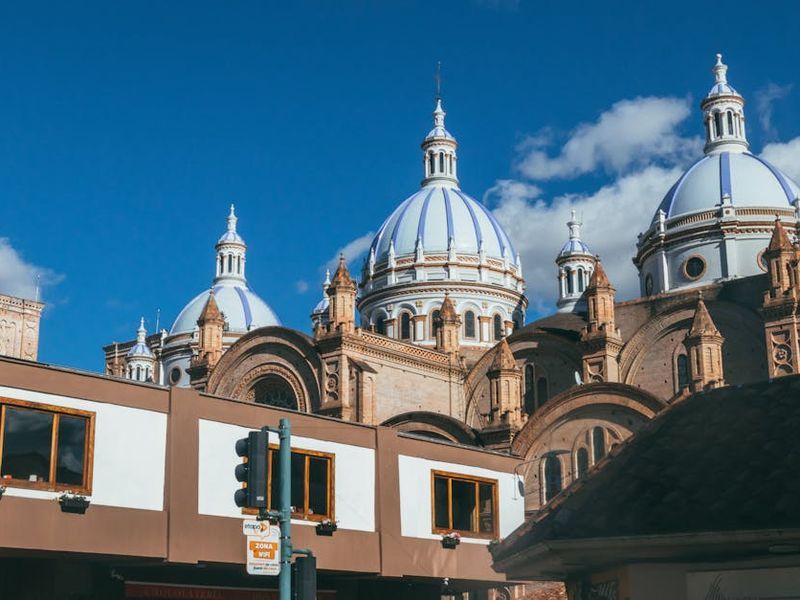
Each season offers different photo opportunities. In the dry season, aim for sunrise and early morning in the historic center to capture the New Cathedral’s blue domes with soft light. In the wet season, arrive at Cajas for fog-shrouded lakes and moody mountain scenes. Birdwatchers should carry binoculars year-round, but migration and nesting patterns can make spring and fall especially rewarding.
Sample itineraries tailored to the season
Here are two short sample schedules to inspire your trip planning:
5-day dry-season itinerary (June–September)
- Day 1: Arrive, walk the historic center, visit Parque Calderón and the cathedral at sunset.
- Day 2: Full-day trip to Cajas National Park—lakes, short hikes, and wildlife spotting.
- Day 3: Morning market visit, Museo Pumapungo, and artisan shopping in the afternoon.
- Day 4: Day trip to Chordeleg and Gualaceo for silverwork and Panama hat workshops.
- Day 5: Leisurely riverside walk and departure.
4-day wet-season itinerary (October–May)
- Day 1: Arrive, acclimatize, explore local cafes and chocolate shops.
- Day 2: Museums and indoor markets in the morning; spa or hot springs in the afternoon.
- Day 3: Short morning hike around nearby foothills; artisan village visit during a dry spell.
- Day 4: Final shopping and cultural performances before leaving.
Money-saving and booking tips
To keep costs down, book accommodations and intercity transfers in the shoulder months when prices dip. If you plan to visit Cajas or go on guided hikes, reserve a guide during the busy dry months to lock in a spot. Eating where locals go—market stalls and family-run cafeterias—saves money and introduces you to authentic flavors.
Safety and common-sense advice
Cuenca is considered one of Ecuador’s safer cities, but petty theft can occur in tourist areas. Keep valuables secure, use hotel safes, and carry copies of important documents. Stay on well-lit streets at night, and when hiking in remote areas, tell someone your plans and consider hiring a local guide if conditions are uncertain.
Final thoughts: match your priorities to the calendar
There isn’t a single “best” time to visit Cuenca—only the best time for your interests. Choose the dry months if you crave outdoor activities and crisp mountain views; pick wetter months for verdant landscapes, fewer tourists, and cultural immersion at a slower pace. Shoulder seasons often deliver the best balance: manageable weather, local life, and lower prices. No matter when you go, pack for layers, plan to acclimatize, and leave room in your itinerary to wander a little—Cuenca rewards curiosity in every season.
Ready to start planning? Decide what you most want from this Andean city—hiking, photography, crafts, or relaxed cultural exploration—and pick the window that supports it. Cuenca’s historic streets and mountain panoramas will be waiting.